A weekend trip to Kochi, last year, primarily for four friends to spend some time together and see/experience something new. It was a very relaxing trip, even though if you read here, you will realise we covered a lot over three days, including several venues for the Kochi Muziris Biennale 2023. While the art was not always relatable, I was fascinated by the venues – the warehouses.
Kochi was a trading port that was known to the Greeks and Romans as Muziris. One can only imagine how busy this place must have been as a spice market in its heydays and imagine the strong smell of spices rising up through the nostrils. A heady feeling indeed! I imagine what it was like to have merchants, their cargo, the loading/unloading, and the exchange of goods and money.
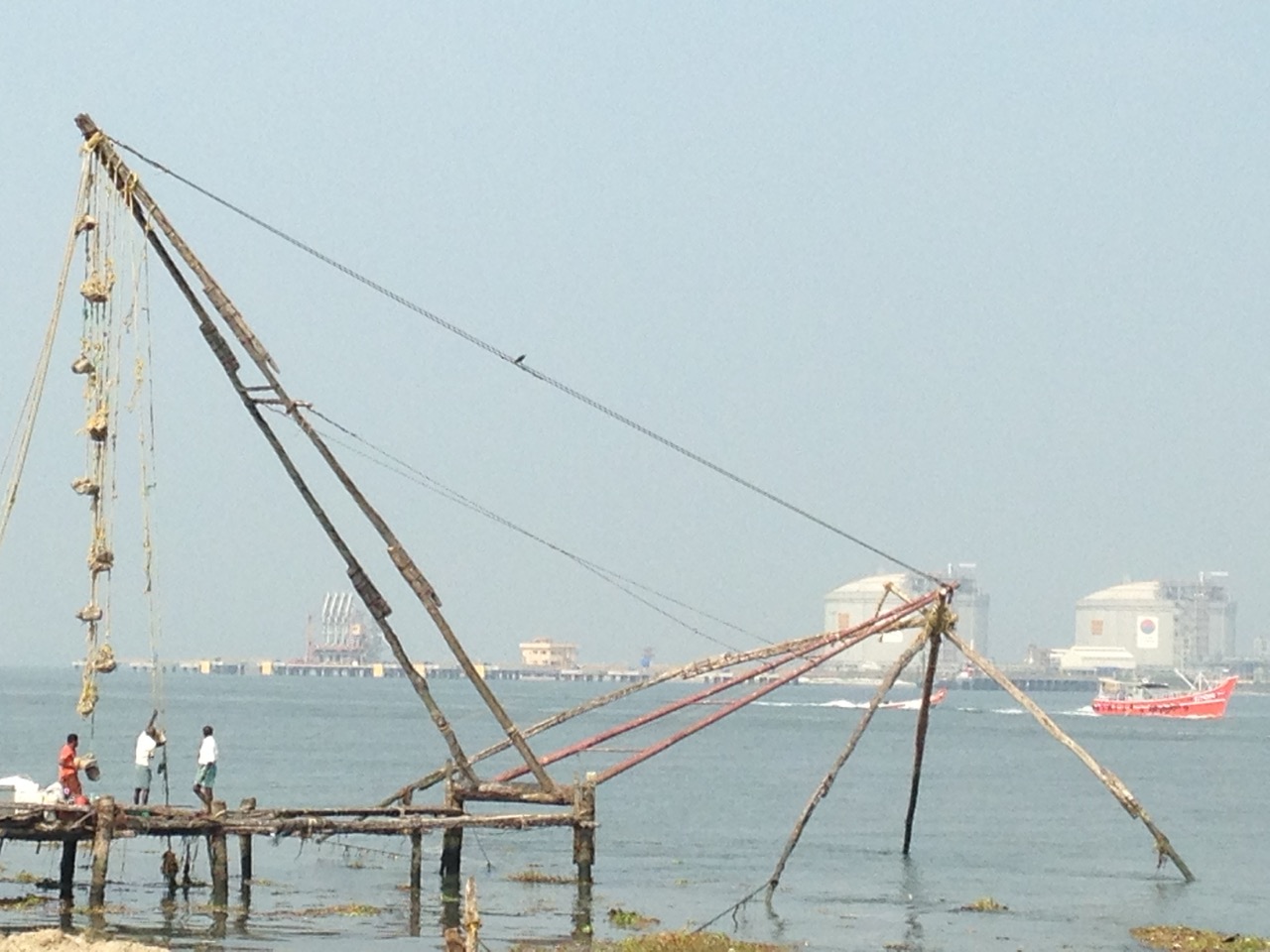
For me, Kochi means warehouses on the water’s edge. When walking along Bazaar Street, I try to look for the sea in the little gaps between the warehouse buildings. These warehouses are probably the last vestiges of the trade that used to take place here.
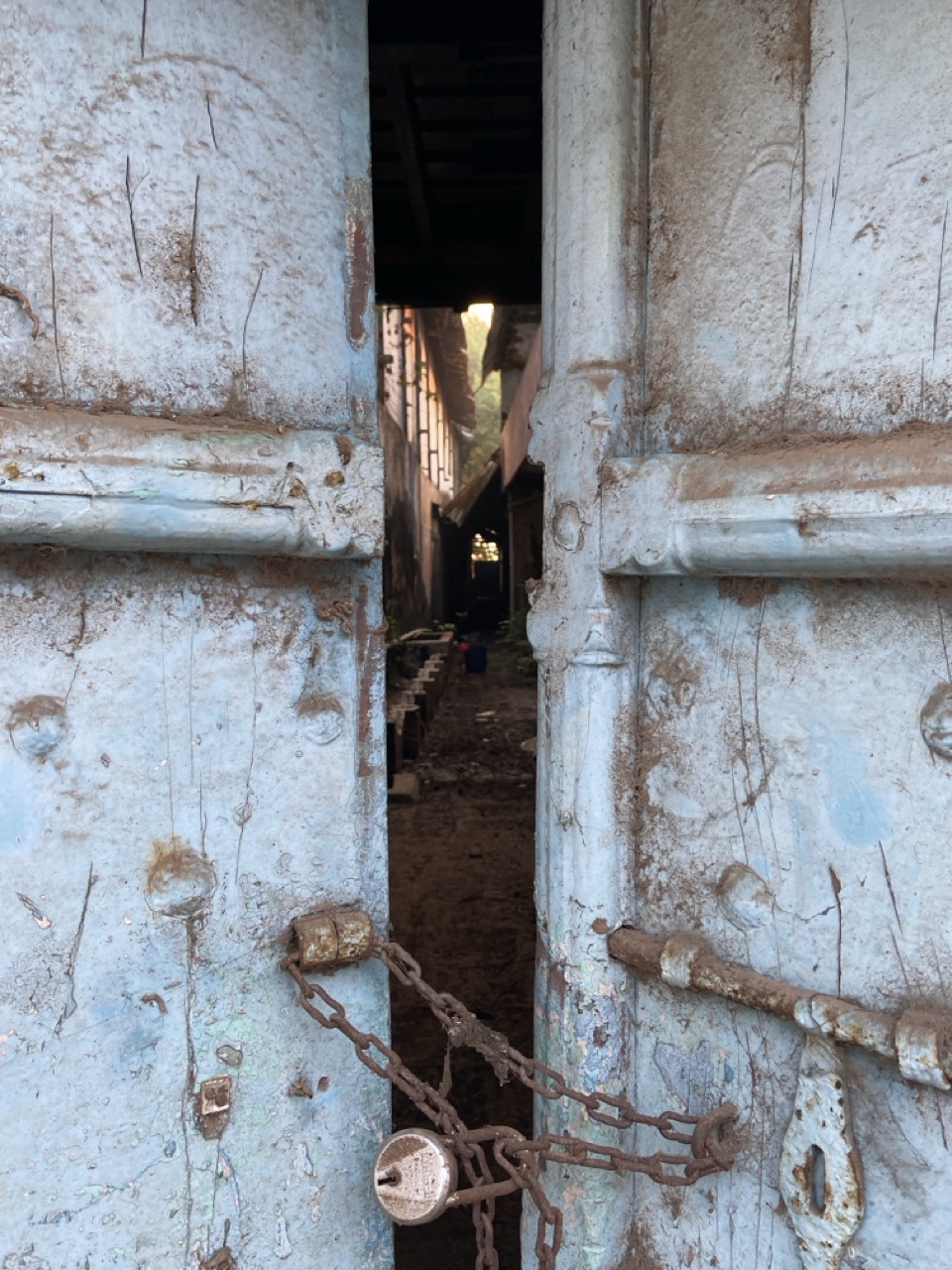
When a new port was built, these warehouses fell out of use. There were about 200 warehouses along Bazaar Steet in Mattancherry. Very few warehouses (godowns as they are known in Indian English) are still in use; most of them are lying abandoned.
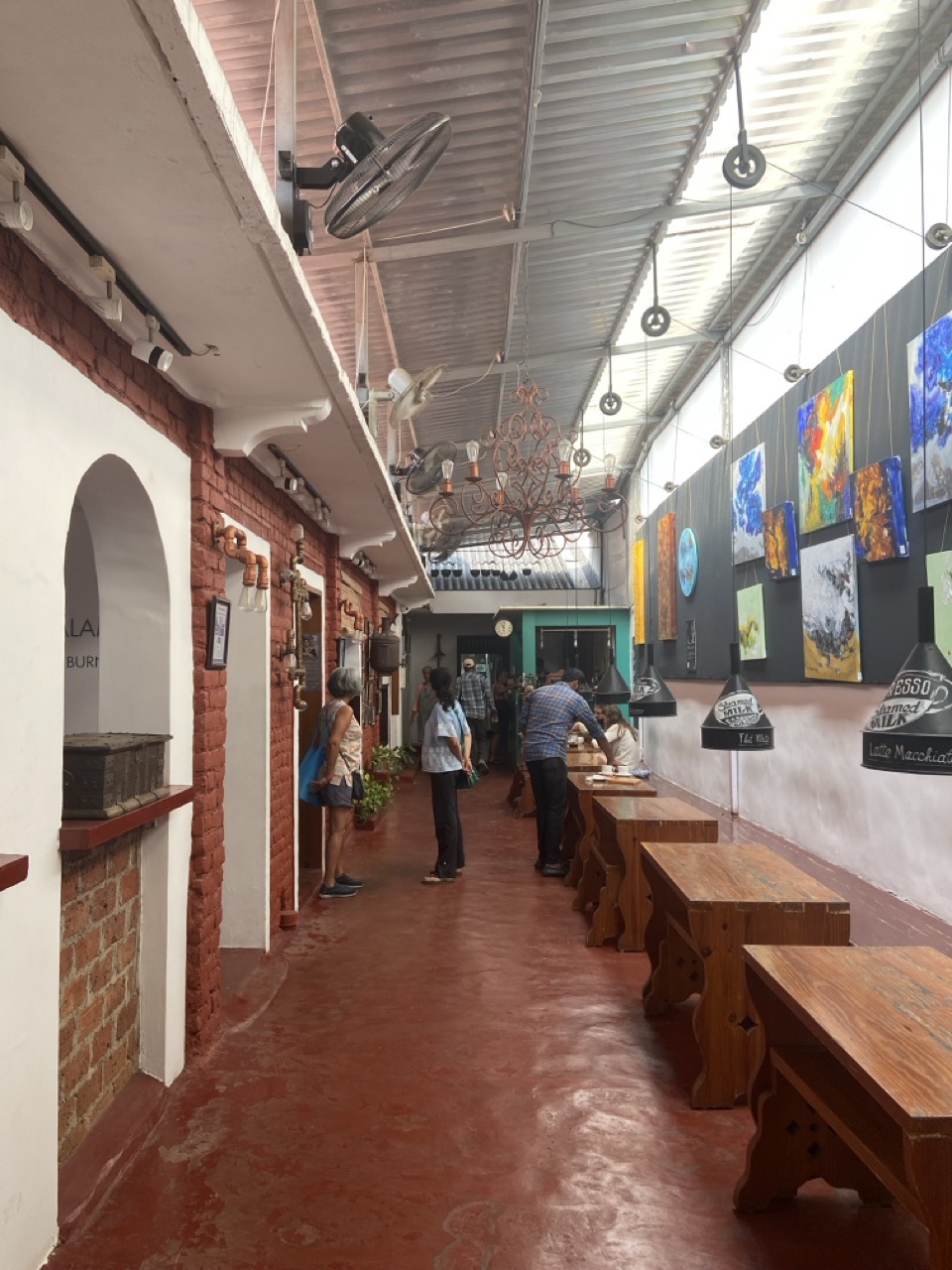
Some have been repurposed. Take, for example, the trendy Mocha Art Café. It used to be a warehouse. I think it is a fantastic idea for KMB to use these warehouses as venues.
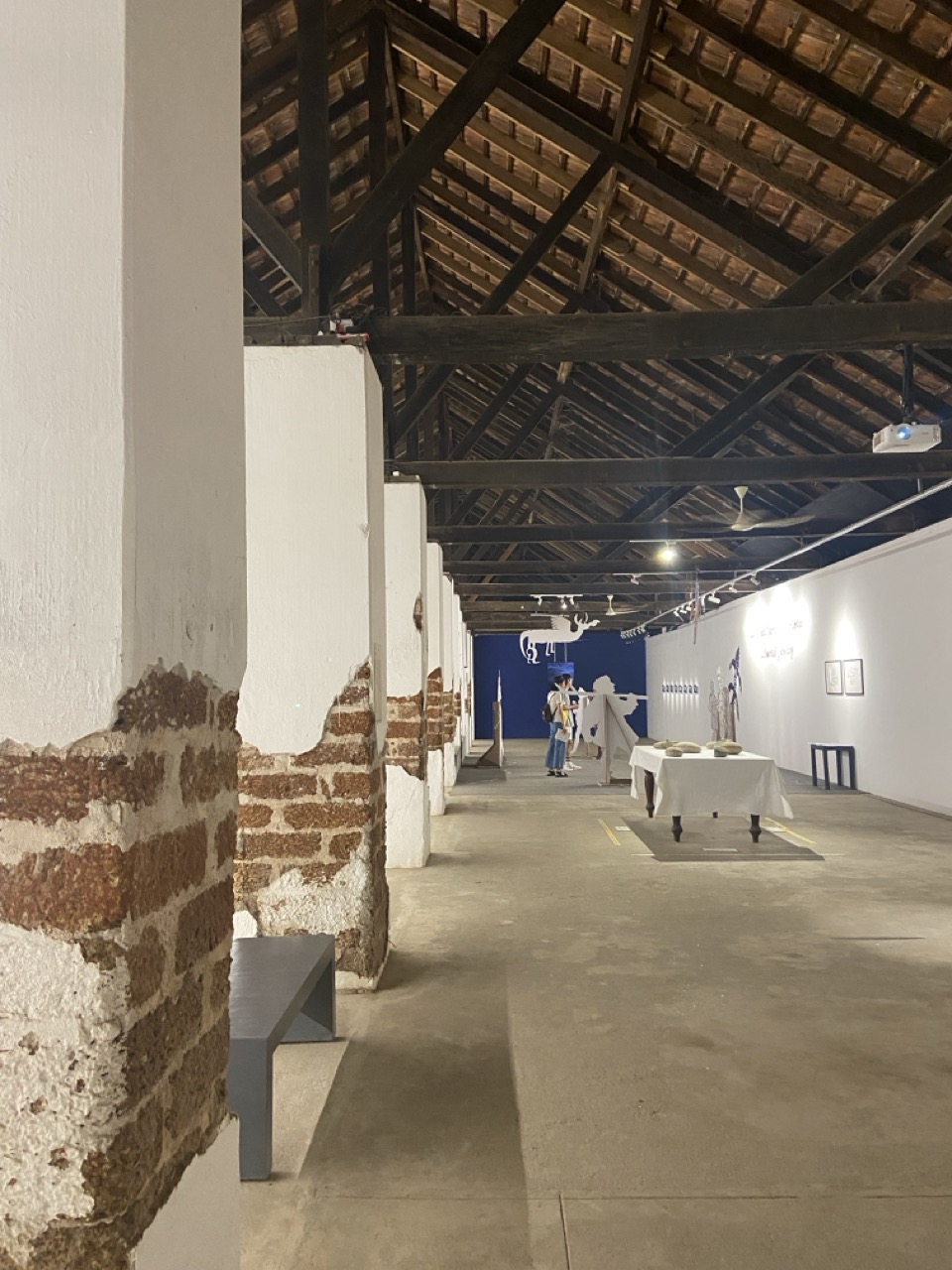
While some KMB venues looked spruced up for the event, others were left barebones, which was like a natural art installation. It was probably meant to go with the themes of the art on display?

I chanced upon an abandoned warehouse on a morning walk on Jew Town road in Kochi when the streets were devoid of the busyness of daily life and, of course, tourists. Curiosity pushed me into the narrow path strewn with dirt and construction litter. The warehouse on my left seemed in a better shape than the one on the right, whose roof had long flown off.
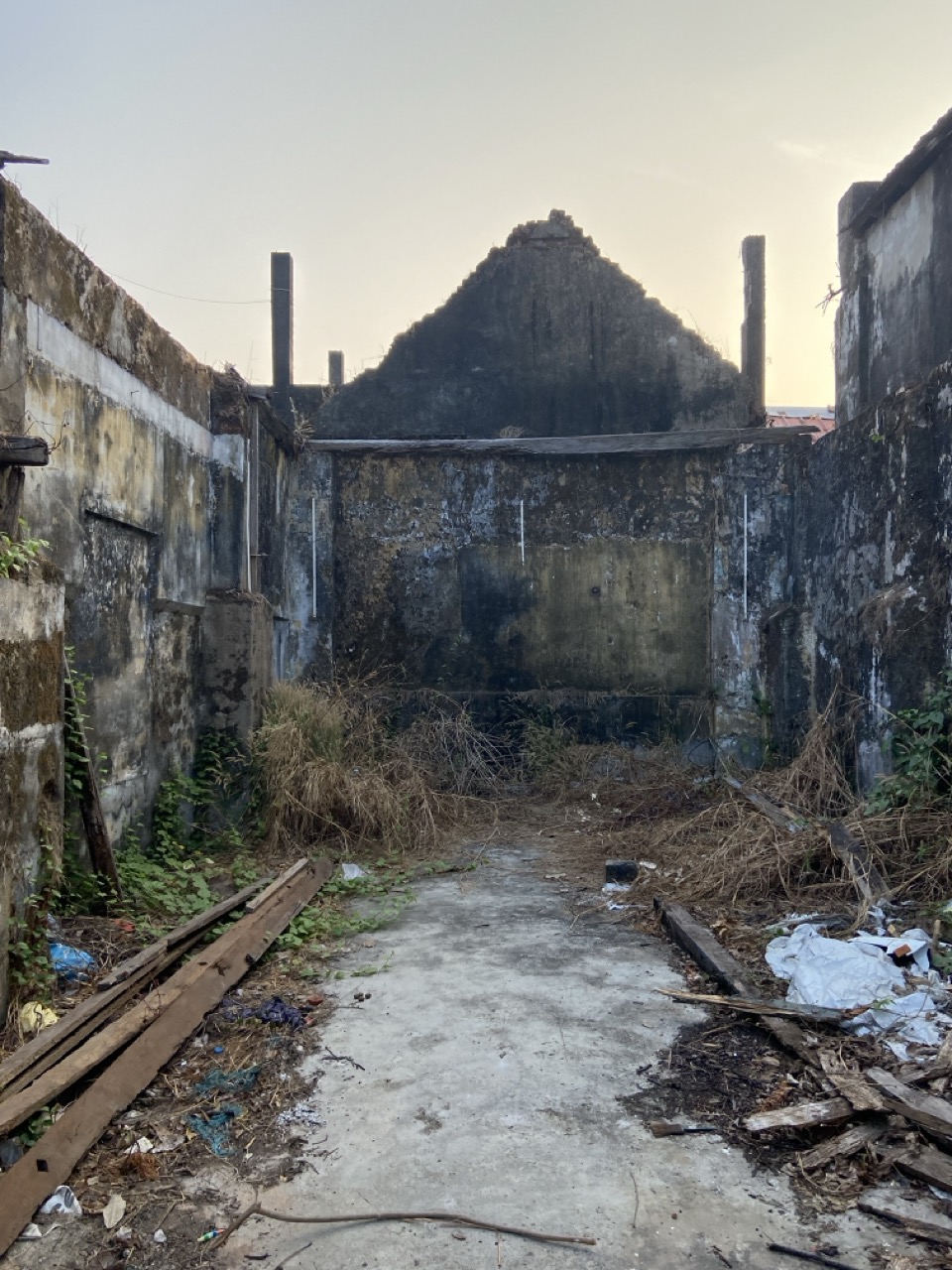
There were doors and windows on both sides, reminding me of what one of the antique shop owners on this road told me – that offices of the merchants were set along the long length of the lane, the far end reaching out to the water and the other onto the road. Merchants loaded and unloaded their boats and transported goods to and from the offices. The offices have tall tiled roofs with intact rafters, while others are visibly termite-ridden. These rafters cannot be replaced for two reasons: removing one will have a domino effect on the entire structure, and bring down the roof in a split second. Second, the government has forbidden any changes to be made to these warehouses. So, the rafters are ‘protected’ by spraying pesticides to rid them of termites. The warehouses that host the Kochi Muziris Biennale this year are in far better shape than their counterparts along the road. These warehouses, I was made to understand, are newer than, for example those on Synagogue Lane, which are a few hundred years older than the ones along Jew Town Road and used to be on the edge of the sea. I am not sure if the sea went further out or the land was reclaimed to add another strip of area and these newer warehouses.

I look at the warehouse as a slice of heritage and hope that they remain for a long time to come!
 Kirana Bhat