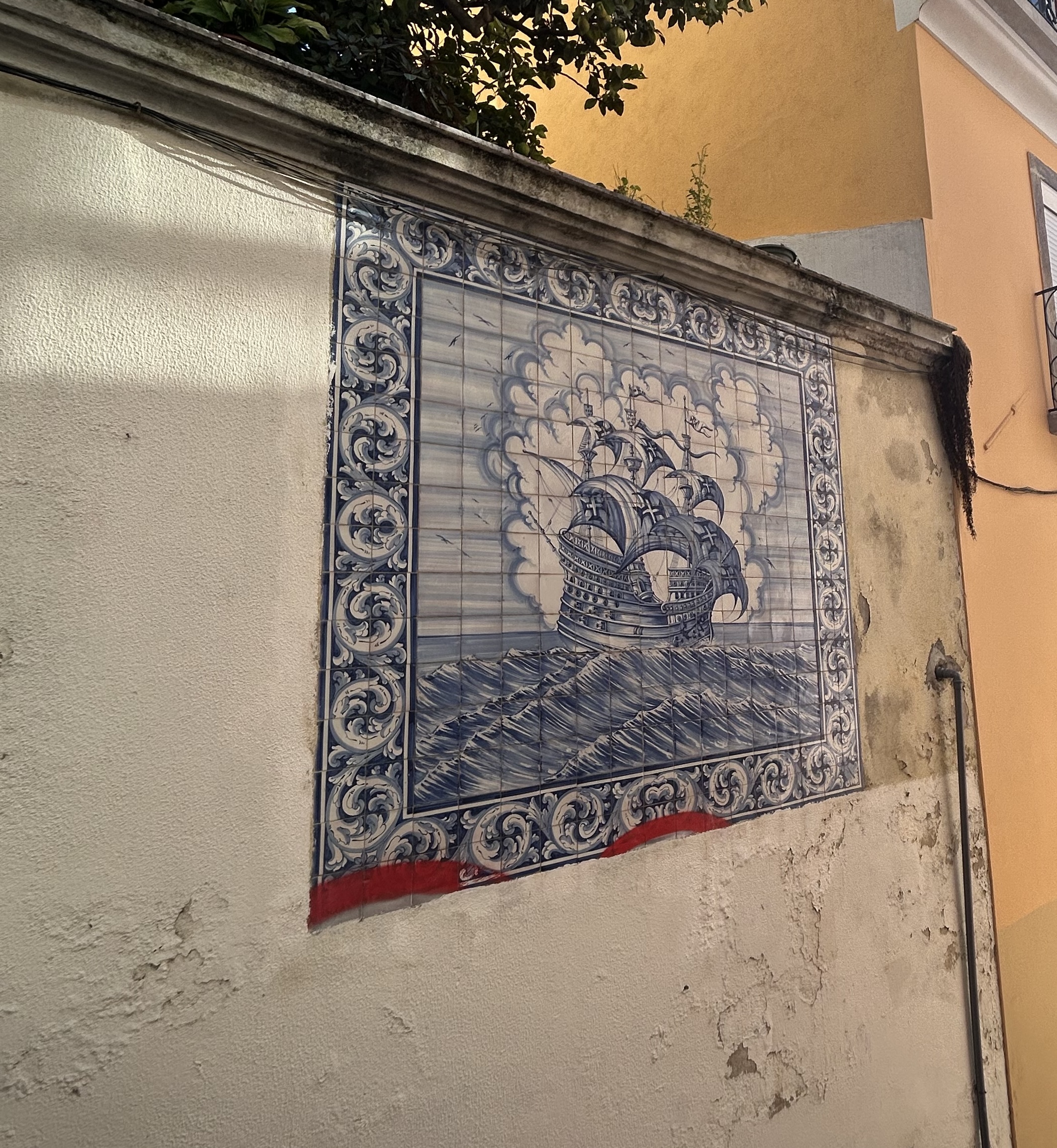
It would be downright strange for anyone visiting Portugal to leave without a little piece of ceramic magic in hand – that blue tile an azulejo that you see everywhere. But wait! Here’s the twist – I always thought “azulejo” meant blue tile because, well, “azul” means blue in Portuguese. Boy, was I off the mark! The word azulejo actually comes from the Arabic al-zellige, which means “polished stone.” Now, let’s rewind the clock a few thousand years to see how all this came together.
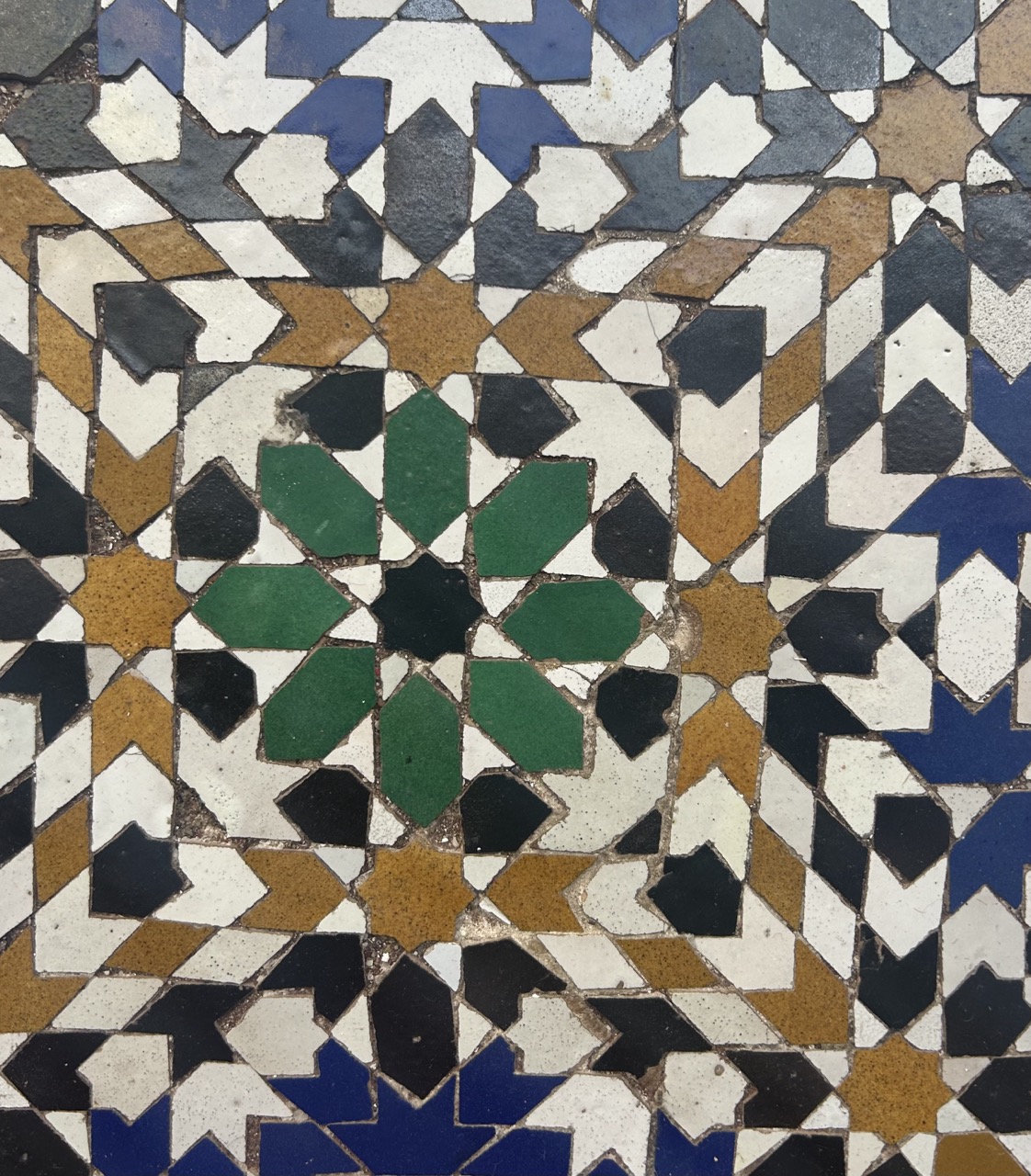
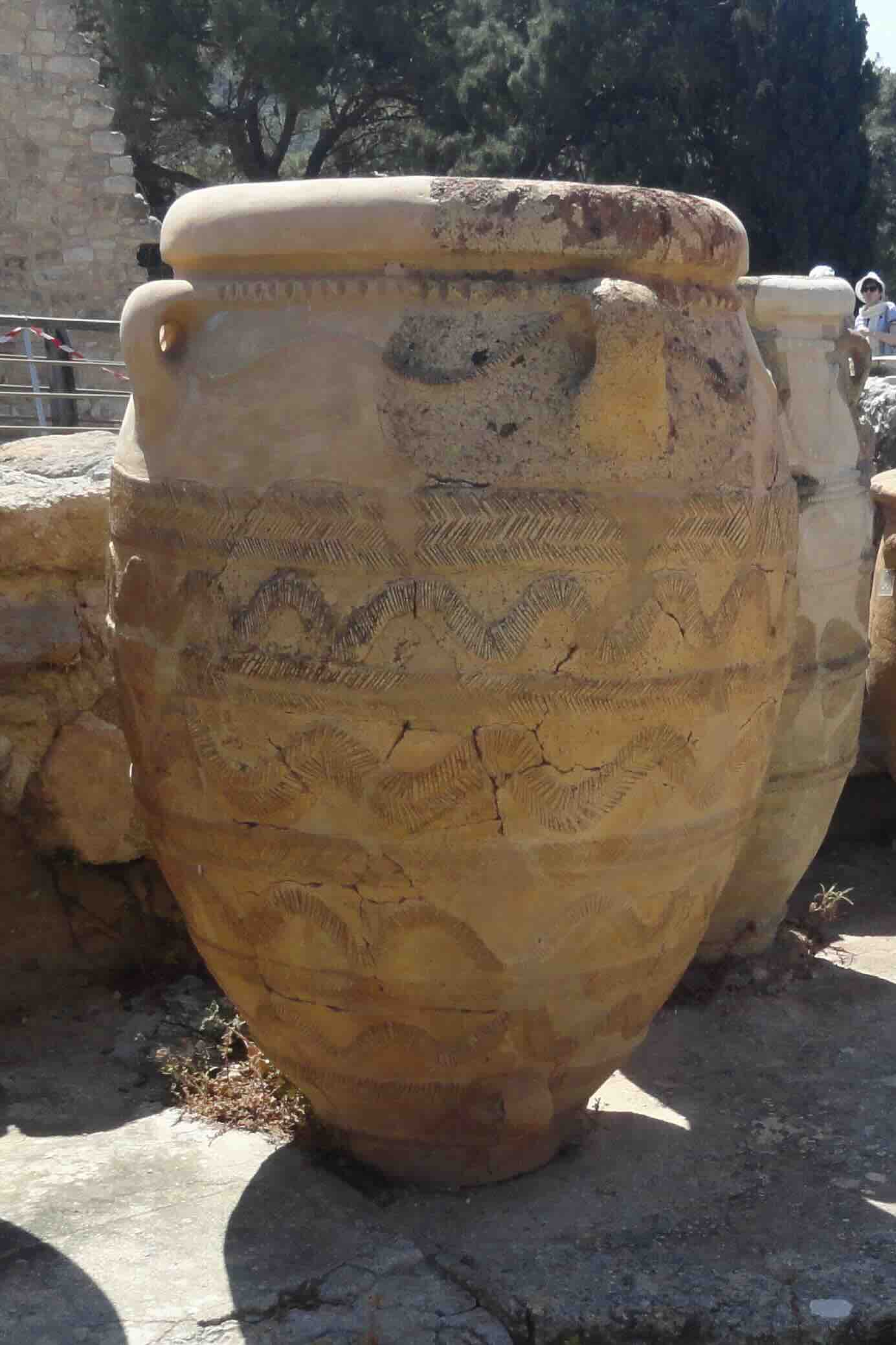
At the most basic level, pottery is just clay, right? Moulded into practical shapes for storage, and then later jazzed up into decorative art. People have been crafting vessels since around 9000–10000 BC. Over time, depending on where you lived, new techniques and materials were discovered, leading to the rise of different pottery styles. Around 8000 BC in Egypt, glass was discovered – a game changer!
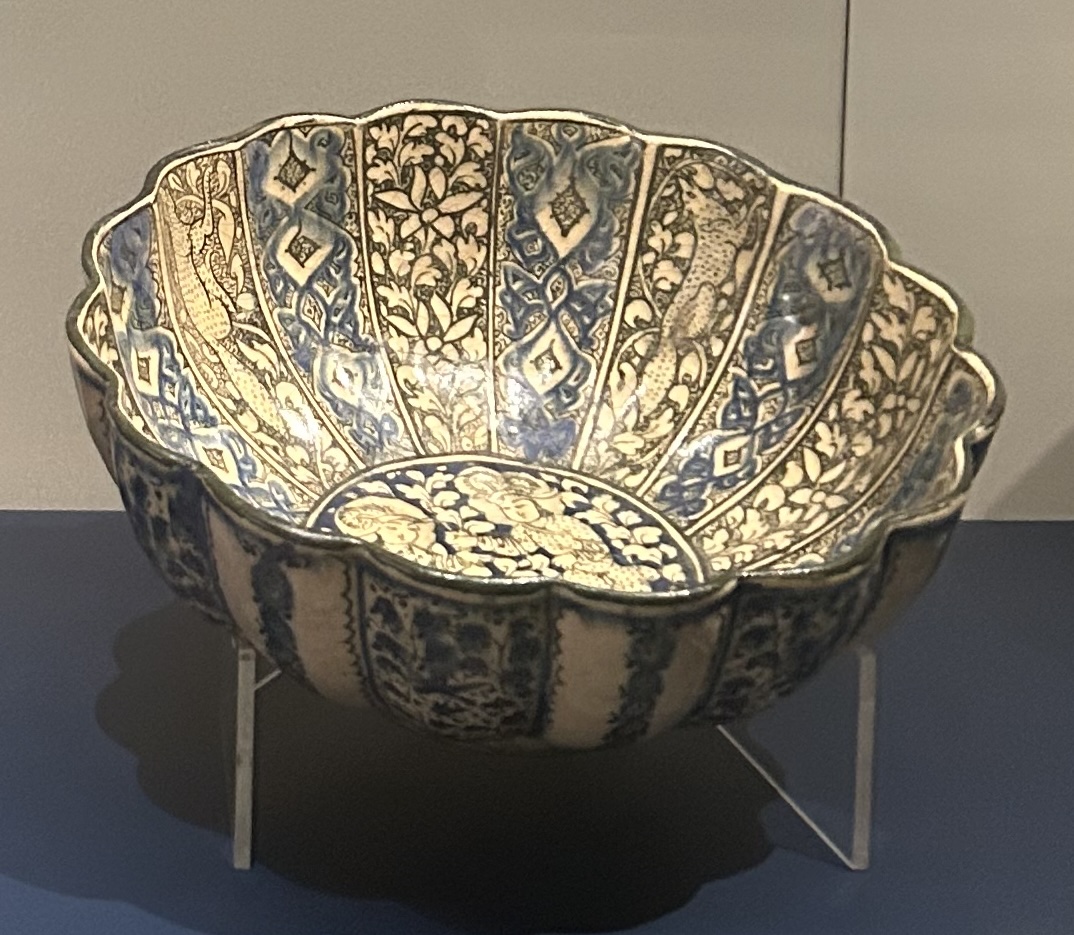
Then, fast forward to 1600 BC in China, where porcelain was born. By the time the Tang Dynasty rolled around (618–907 CE), porcelain was being shipped to the Islamic world. And by the time the Mongol Yuan emperors (1279–1368) were calling the shots, cobalt blue underglaze became a hot commodity, particularly in the Middle East. It was during the Ming Dynasty (1368-1644) that manufacturing porcelain and decorating it reached a new high in terms of quality and design. As time passed and with the discovery of new colours like turquoise blue, purple, green, grey, black and bole red the designs and patterns went to a new high – porcelain ware was embellished with cloud scrolls, leaves, flowers, trees, rocks and waves, rosettes and peacocks.
Meanwhile, over in Europe, seafaring explorers were eager to get their hands on Chinese porcelain and racing to the Far East to trade for these prized items. The Dutch and Portuguese, in particular, were snagging anything they could get their hands on – delicate porcelain jugs, plates, figurines, you name it. When the Ming Dynasty fell, the Dutch had to get creative, eventually inventing their own version of porcelain called delftware.
But let’s not forget the Greeks and Romans! These ancient civilizations were already using glazed ceramic tiles for mosaics as early as the 3rd century BC. They started with pebbles to create mythical figures, then upgraded to clay and glass tiles, called tesserae, to depict religious and mythological stories, landscapes, and more.

Fast-forward a bit, and when the Byzantine Empire collapsed, the Arabs took the art of tesserae to new heights. The Ummayyid and Abbasid dynasties, ruling over Andalusia in current day Spain, turned these beautiful tiles into architectural masterpieces that still stand today.
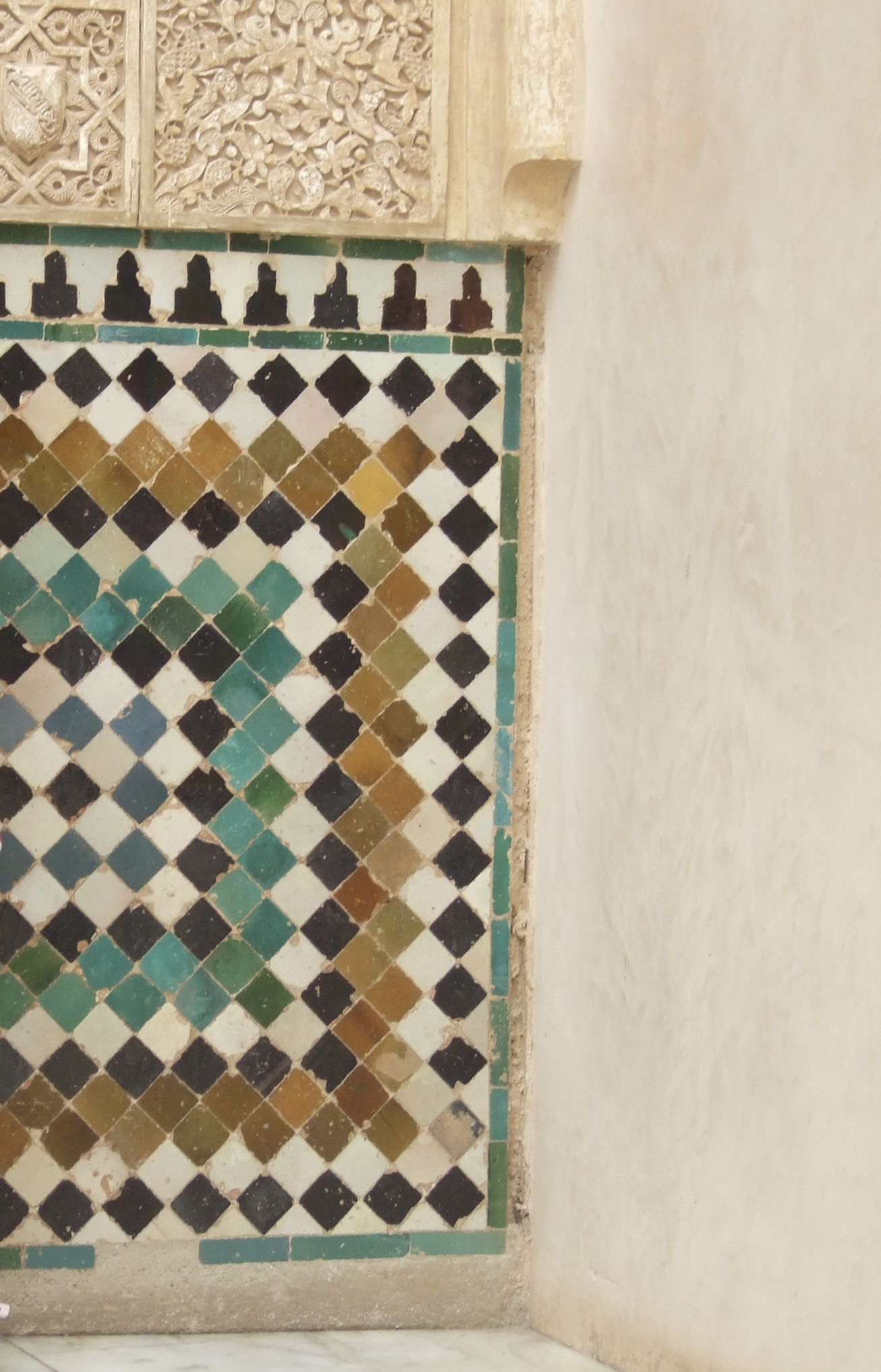
Now, let’s jump to King Manuel I of Portugal (1469–1521), who, upon visiting Seville, saw the al-zellige artwork and thought, “We need some of that in Portugal!” And voilà, the era of Portuguese azulejos began. In the beginning, Portugal bought tile work pieces from Spain. By the mid-16th century, Portugal had its own tile masters, creating stunning works of art on the ceramic canvas.
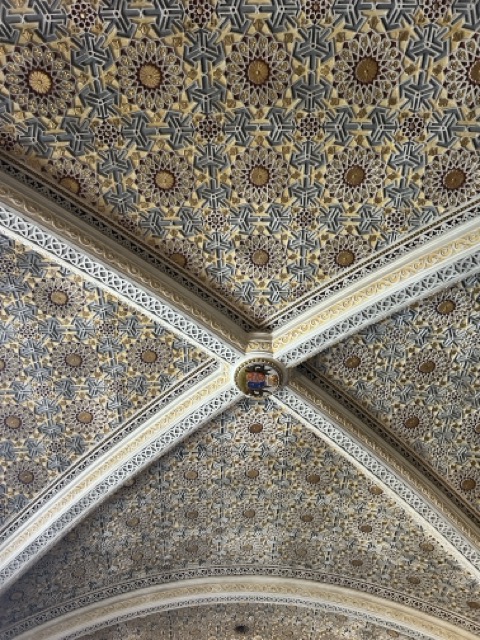
The first known azulejo masterpiece in Portugal is found in the Church of St. Roque in Lisbon, where the “Miracle of St. Roque” was immortalized in tile. But it was really in the 17th and 18th centuries that azulejos exploded in popularity.They were everywhere!
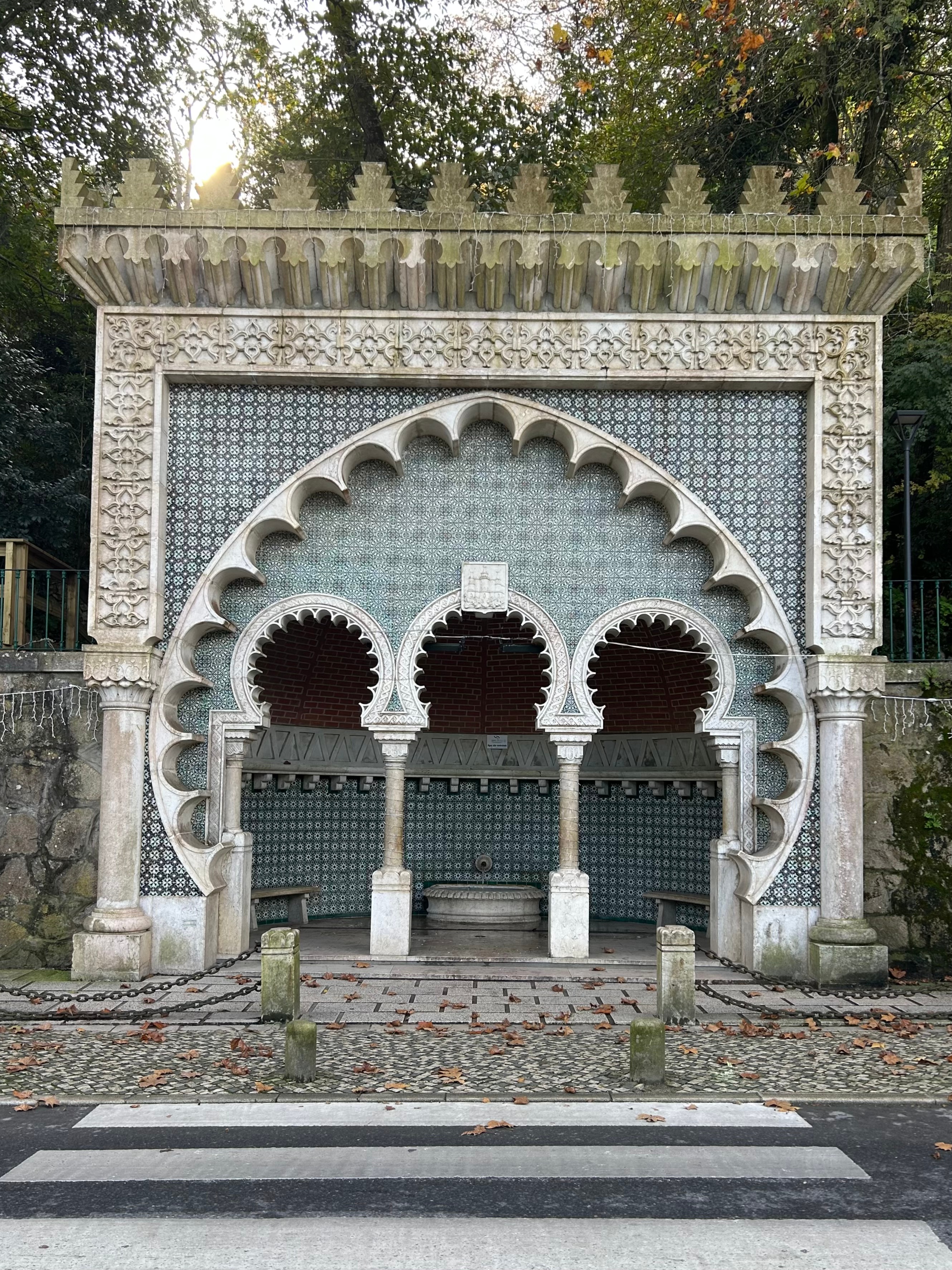
After the devastating 1755 Lisbon earthquake, azulejos became a symbol of resilience, used to cover walls in train stations, churches, monasteries, and more. Designs were inspired by Portuguese colonies, biblical stories, and daily life. Tile styles were “manueline” or “pombaline” depending on the ruler during whose time a certain style became popular and trendy.

Today, azulejos are as integral to Portuguese culture as ever.
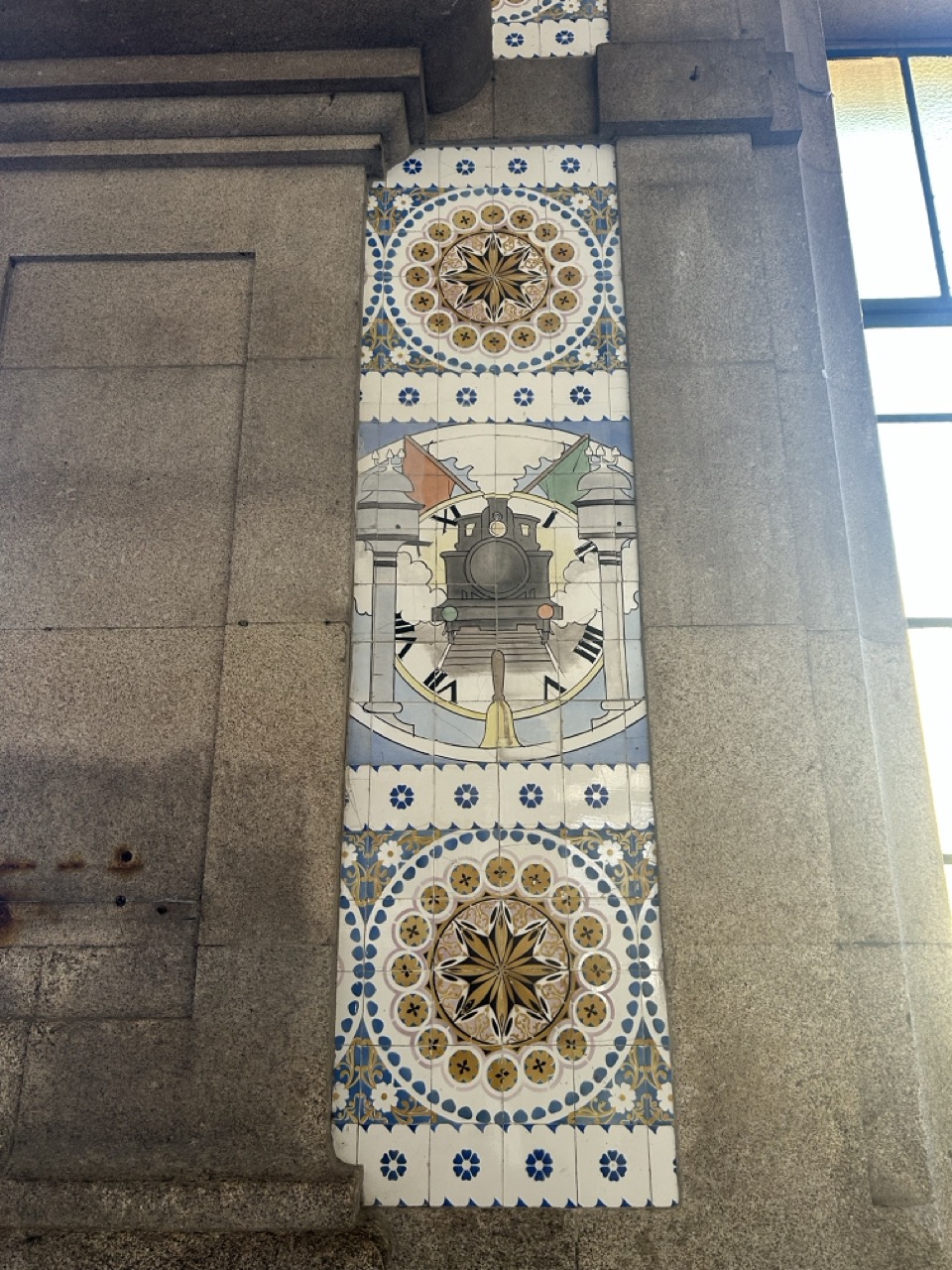
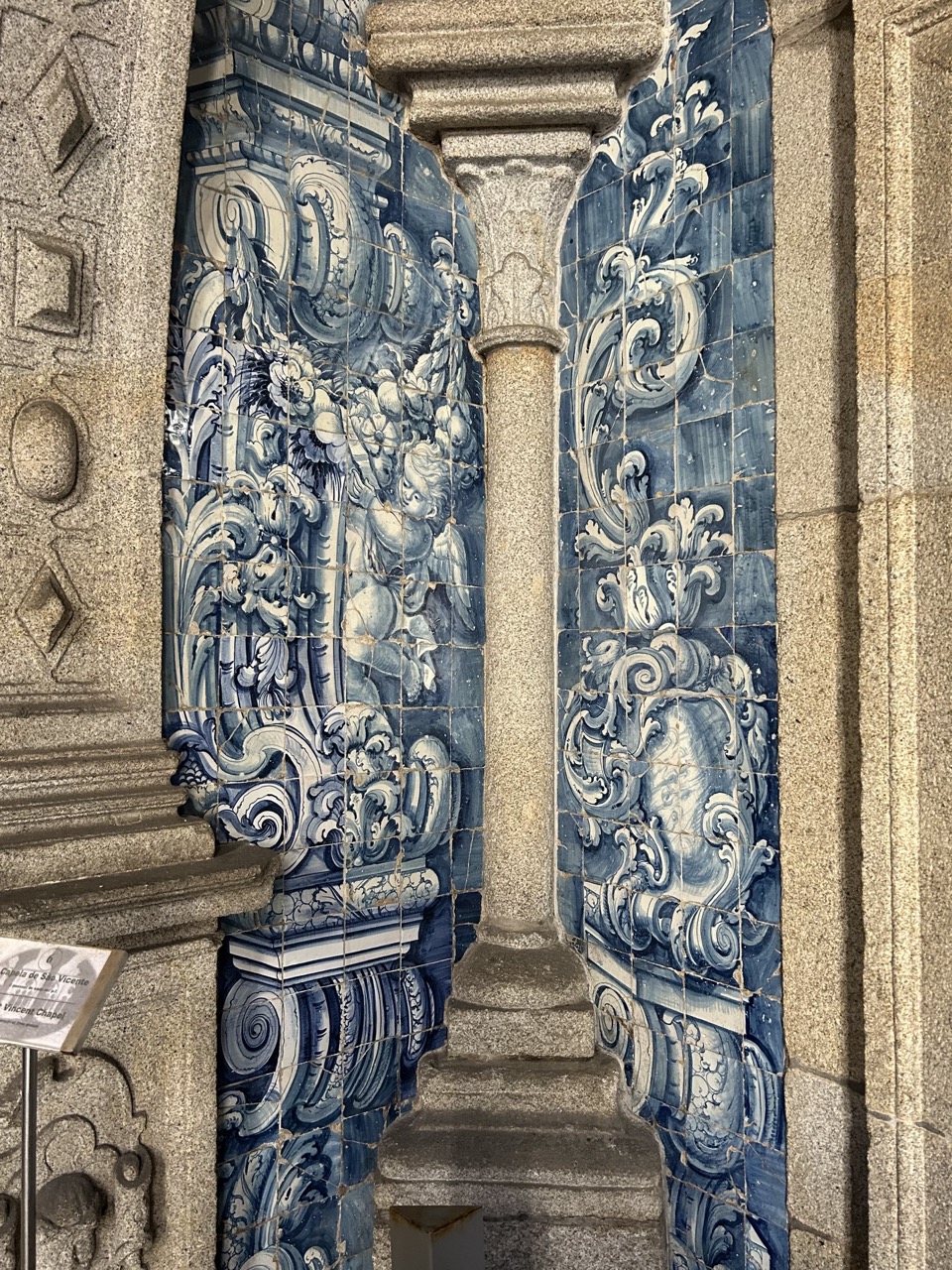
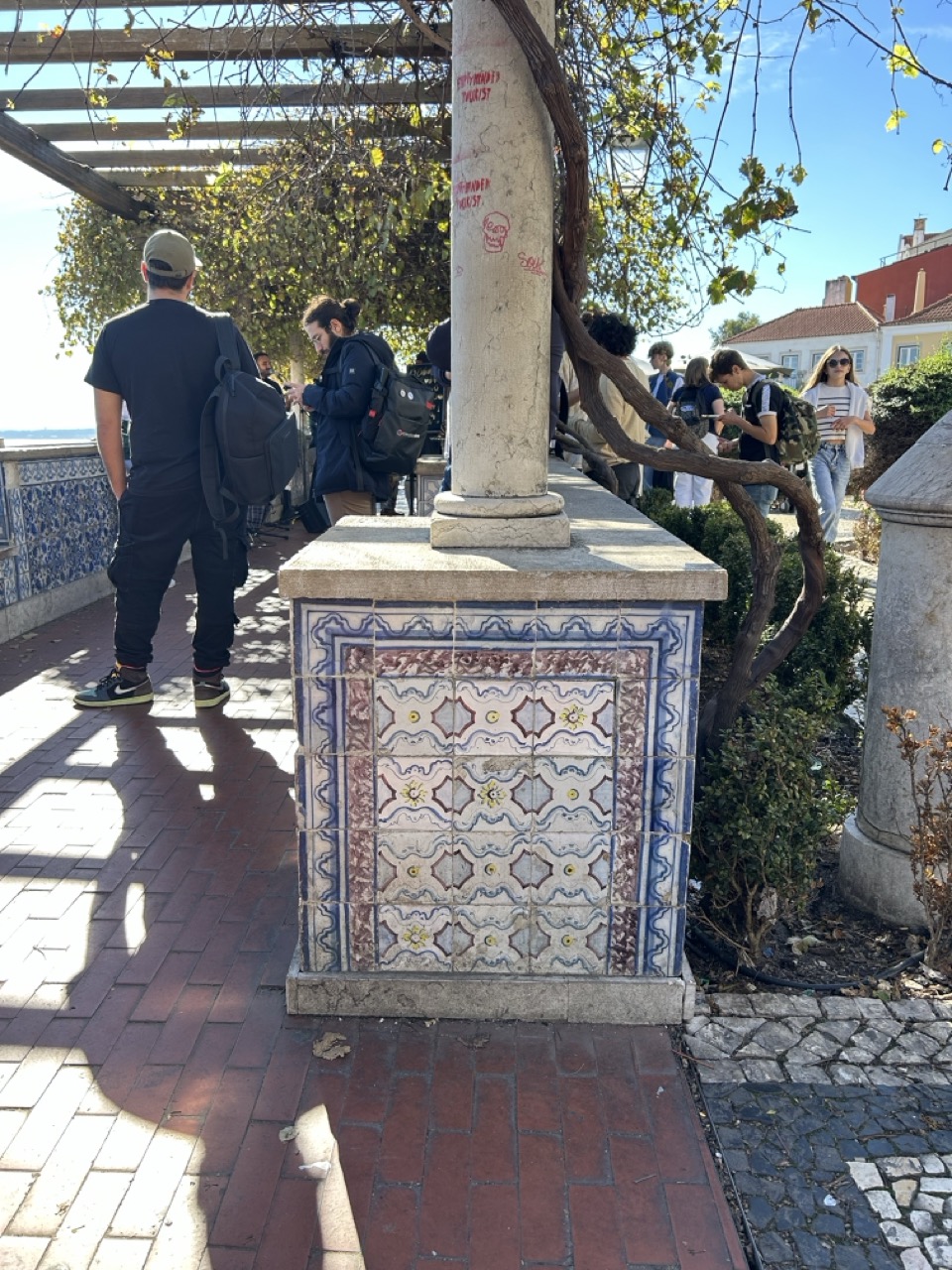
Thanks to modern technology, it’s easier than ever to create custom designs in any colour you fancy.
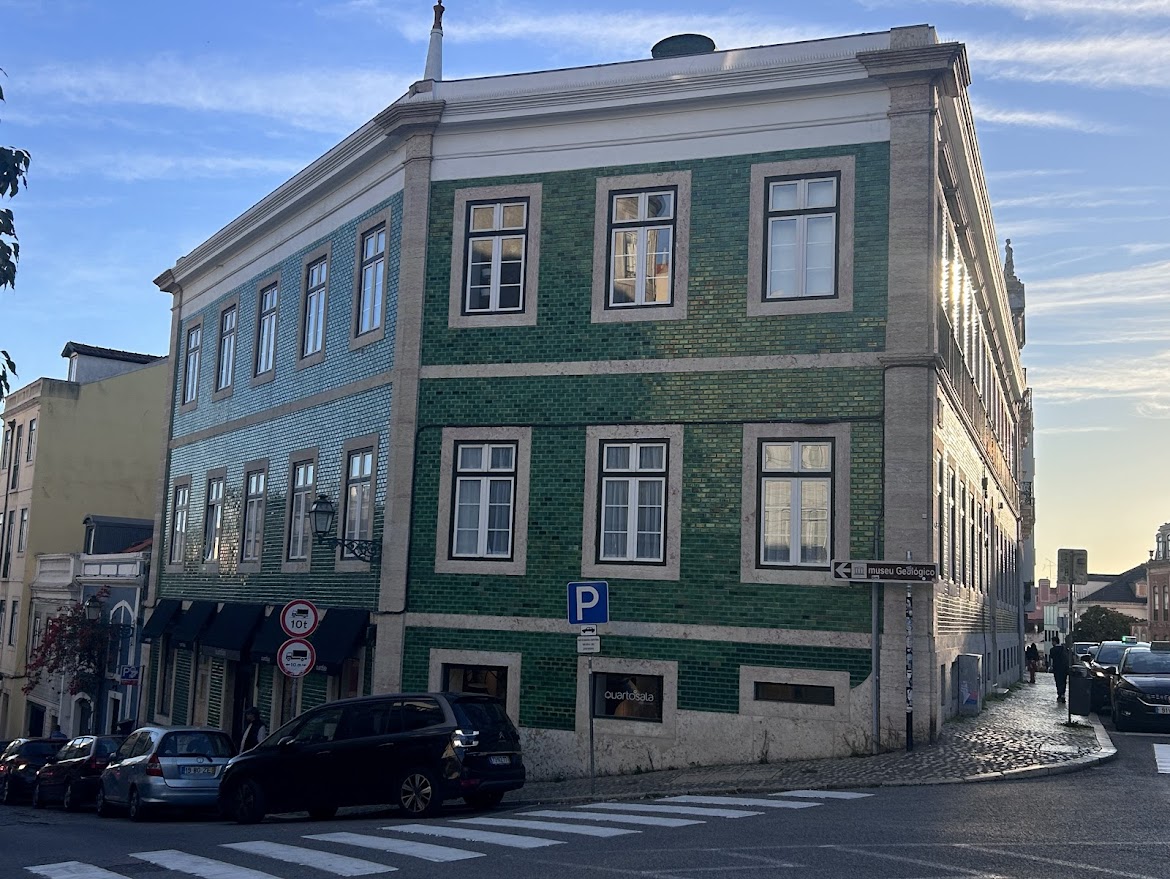
They have even left their mark in former Portuguese colonies, like Goa. So, when I picked up my own little azulejo in Portugal, I remembered the one from Goa that I already have, and, I couldn’t help but smile. What about you? Got your own little piece of this vibrant, centuries-old tradition?
 Kirana Bhat