I’ve said this many times before; when it comes to trip planning, the harmony is simple. The better-half pins the country, and I do all the planning. These days, the kids take charge, but this trip, to a country that lies below sea level, was just for us “oldies.” (Not that we feel old, mind you. We are just respectfully acknowledging the number we have reached 😉).
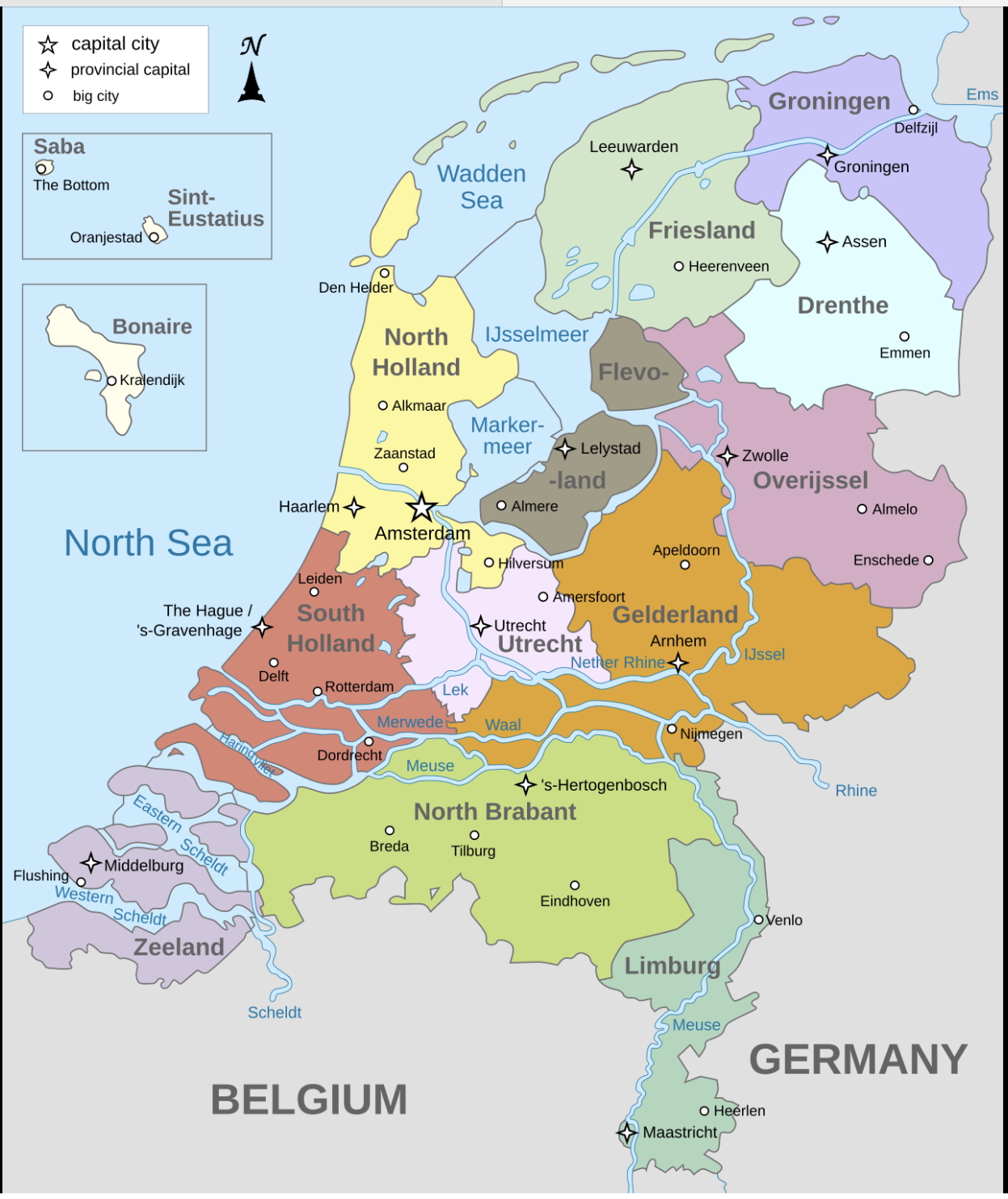
This time, things were a bit different. “I want to see the waterworks,” he said.
Now, for the uninitiated, the Netherlands, true to the saying “when life gives you lemons, build dykes,” has embraced its below-sea-level status and turned water management into an art form. Instead of fleeing the floods, they engineered their way into safety, beauty, and bragging rights.
So, with seven days in hand and “waterworks” pencilled in bold, we set off.
Days 1 – 3: Rotterdam
We chose Rotterdam as our base because it was practical for what we wanted to do which was to visit Delft, Kinderdijk and the Delta Works of Zeeland (Netherlands’ southern most province).

Delft:
A lovely little town, Vermeer’s birthplace, and home to a well-known tech university.
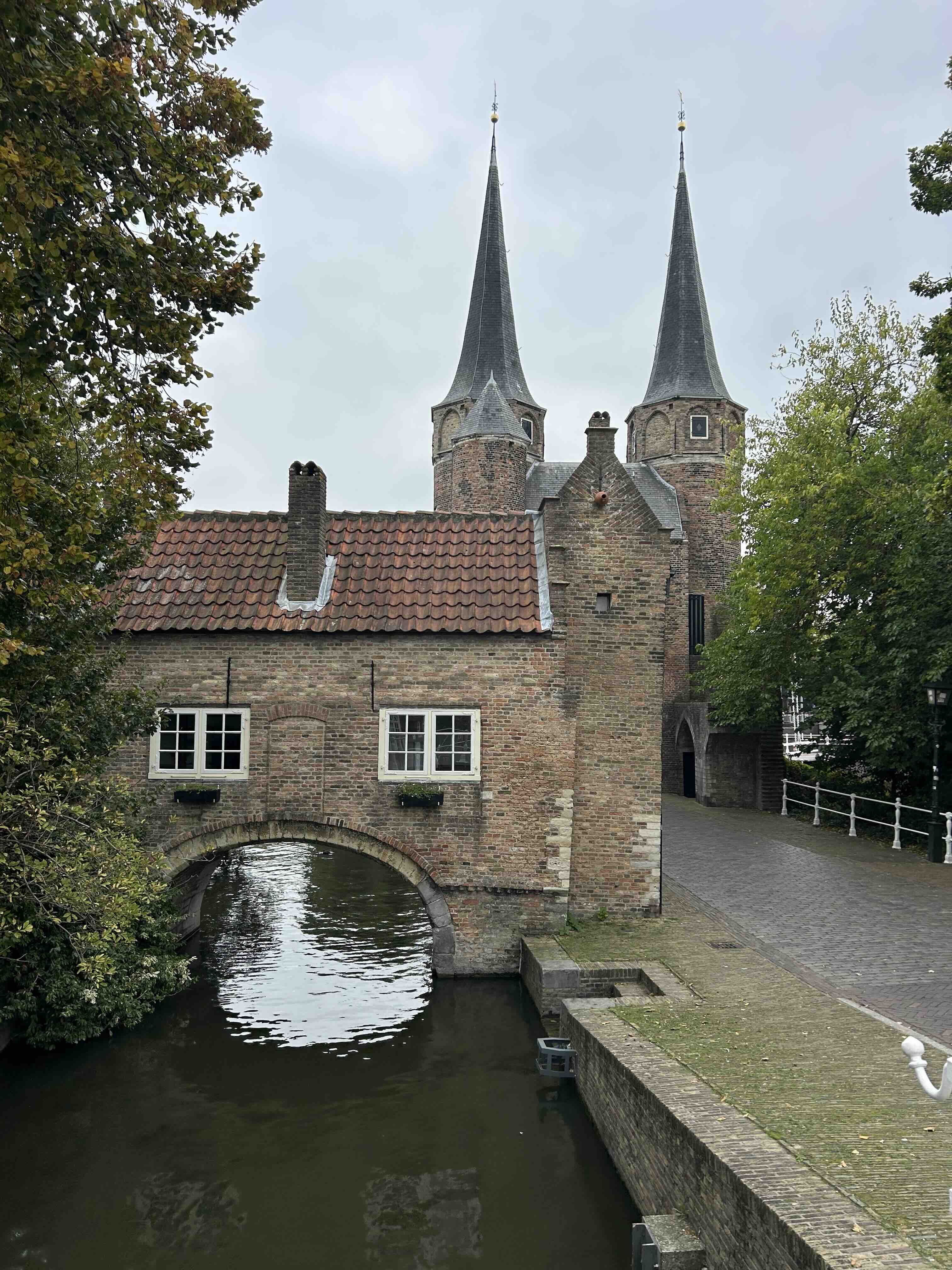
But my interest was of a different shade; Delft Blue, of course! After the overdose of Azulejos in Portugal, and being transfixed by the beauty of the Zellige tiles of Morocco, visiting the Royal Delft Museum felt like completing a porcelain pilgrimage.
The museum began life as De Porceleyne Fles in 1653. A humble porcelain factory that somehow survived long enough to earn royal patronage as Koninklijke Porceleyne Fles. When European trade in Chinese blue porcelain dwindled, but the obsession didn’t, Delft Blue emerged as the local hero. The museum showcases centuries of artistry, and yes, you can walk through the factory to watch real artists hand-painting pieces.

Kinderdijk:
A fairytale landscape of 19 windmills (one short of 20, not sure how that one disappeared) that once drained water from reclaimed farmland (polders) in the 1700s. Three are still lived in.
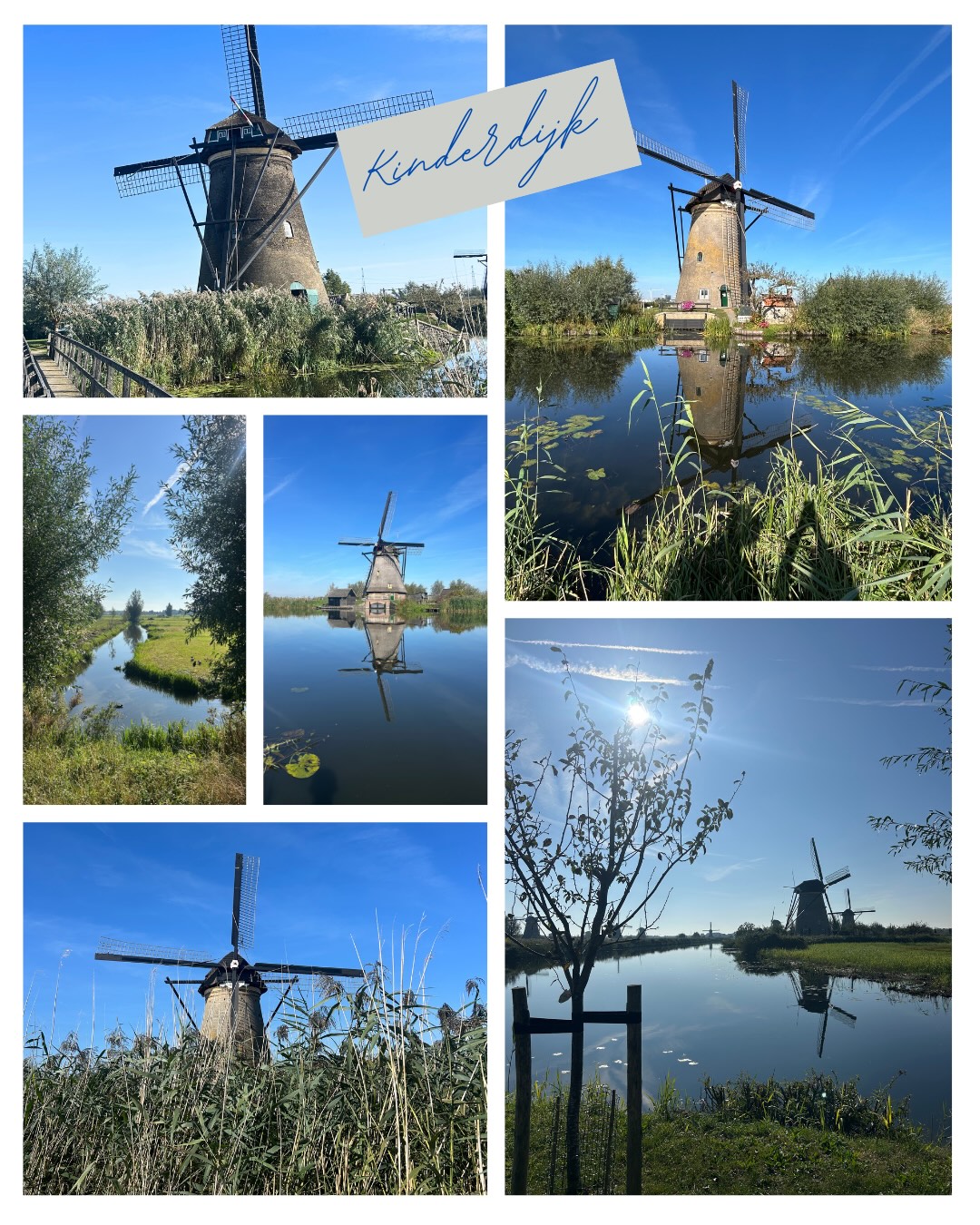
We meant to cycle from Rotterdam, but a boat ride it was in the end. No regrets. The 30-minute cruise along the Nieuwe Maas River passed the sleek Erasmus Bridge, the iconic De Hef (now better known as “that Bezos bridge”), and enough striking architecture to make your design software blush.
Kinderdijk itself was a dream. Farmlands stretching to the horizon, canals glinting between them, and windmills standing stoic against the breeze. The air was alive with sparrows, ducks, egrets, and geese. And we walked until we couldn’t spot another windmill (or feel our legs).
The Watersnoodmuseum & Neeltje Jans:
This was the better half’s “waterworks” wish come true. Part history, part engineering marvel that requires a car to get done.
The Watersnoodmuseum (Flood Museum) commemorates the victims of the catastrophic 1953 North Sea flood that devastated parts of the Netherlands, Belgium, and the UK. It was the worst in the Netherlands since the Middle Ages. Out of that tragedy rose the famed Delta Works, the country’s awe-inspiring flood defence system.
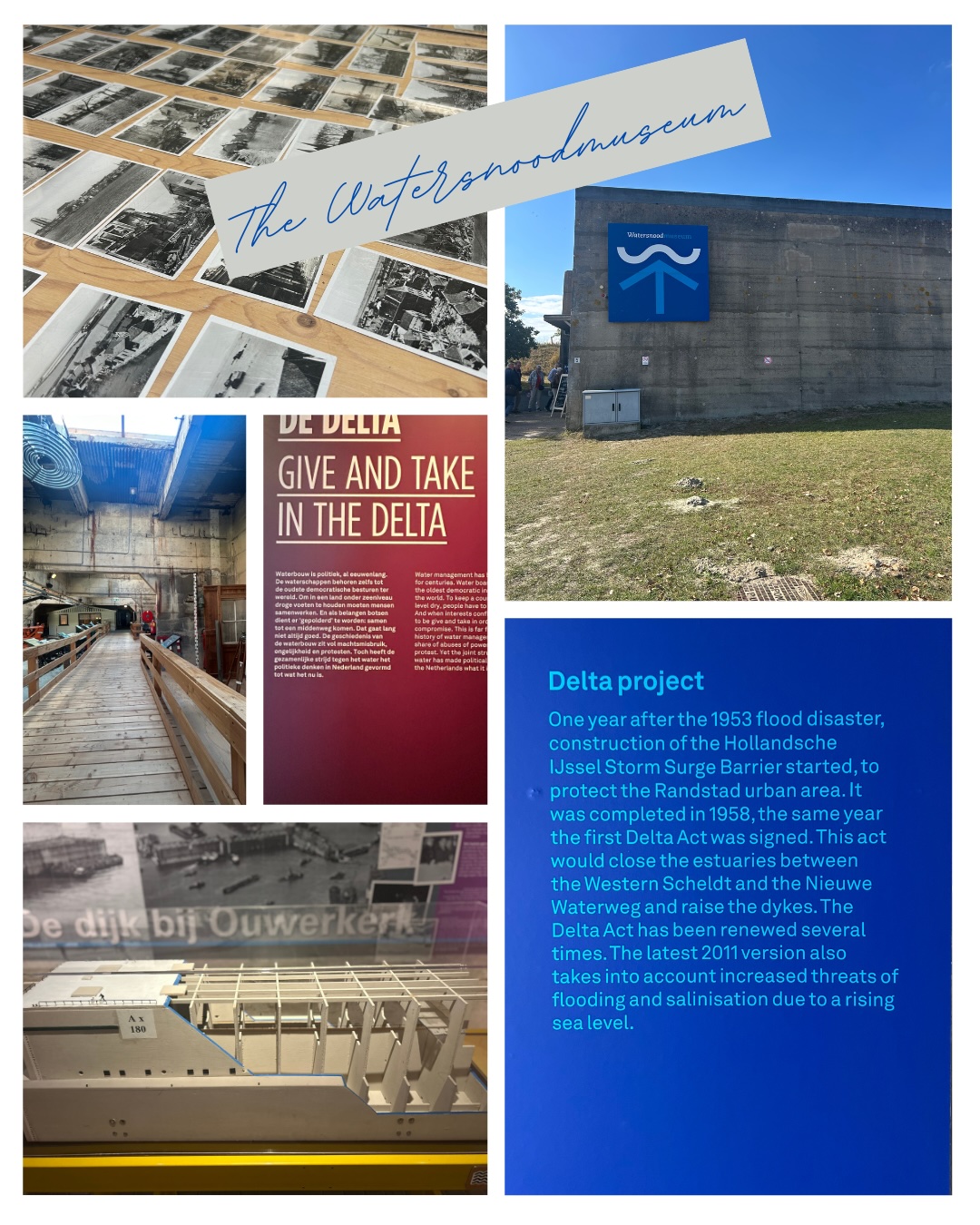
The museum, housed in four massive caissons once used to seal a dyke breach, beautifully blends history, education and quiet remembrance. From the birdwatching tower nearby, you can spot the Zeeland Bridge once Europe’s longest. Built in the 1960s, it is now a national monument and still looks pretty impressive for a 50-something.
Next stop was Neeltje Jans located on an artificial island that was built during the construction of the Eastern Scheldt Storm Surge Barrier , the largest in the Delta Works, and the second largest in the world. Sixty-two giant gates that can shut off the North Sea in an hour. The scale is mind-boggling!
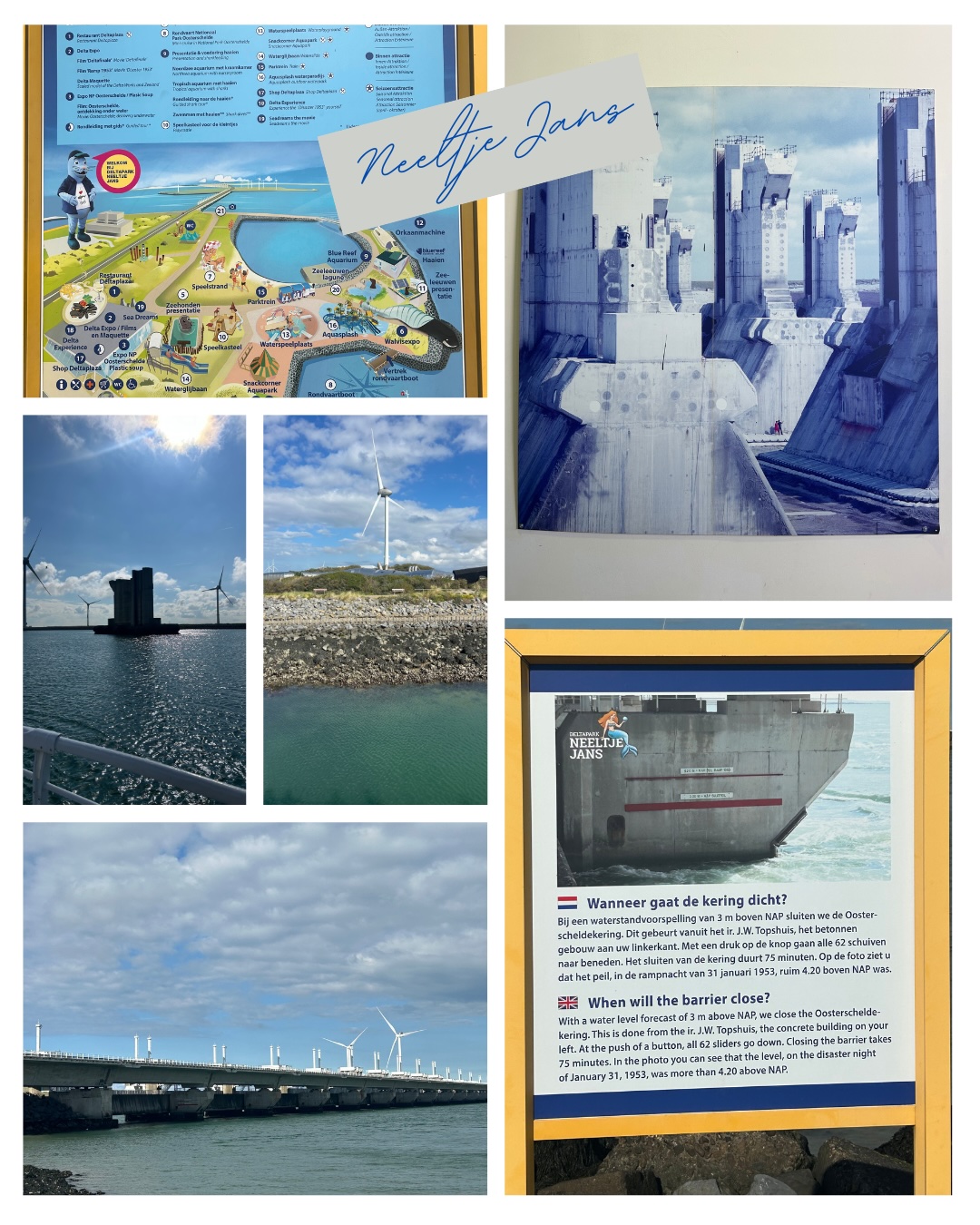
The exhibition centre offers a fascinating look at how this feat was built. The boat ride, however, was… meh. We expected to get up close and personal with the barrier; instead, we waved at it from a polite distance.
Still, driving on the barrier and the Zeeland Bridge more than made up for it.
Back in Rotterdam, we filled the in-between hours by visiting Mr. Erasmus’ statue, the St. Lawrence Church (the city’s lone medieval survivor), the Cube Houses (Kijk-Kubus), the Old Harbour, Witte Huis, Europe’s first multi-storeyed building, and the Markthal. We strolled along canals without trying to, which, anywhere in the Netherlands (Rotterdam included), is inevitable. Sometimes it’s fun to state the obvious 😉

Days 4–7: Amsterdam
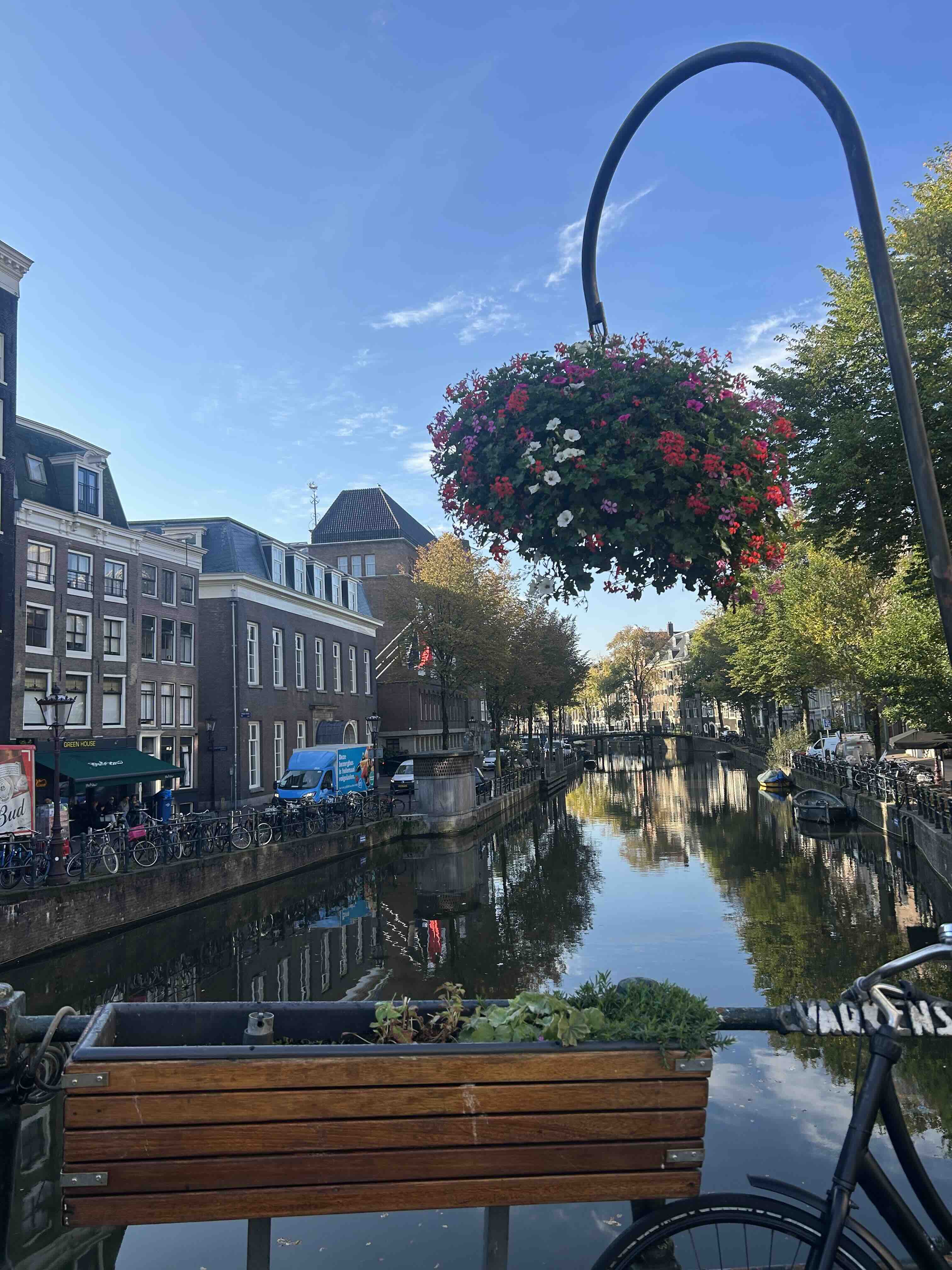
We left Rotterdam in a leisurely daze and arrived in Amsterdam the same way. The city hummed with cyclists. Even their Mayor rides one to work and thousands are fished out of the canals and the folks who carry out that task are called Bike Fishermen (yes! It’s a true profession!!). Navigating narrow streets crammed with cars, people, and bicycles tested my reflexes. By day’s end, my head could swivel 360 degrees like a seasoned owl.
We stumbled into Café Gollem on Raamsteeg; a self-service beer bar with a glorious wall of bottles & tin tackers and glasses and other paraphernalia, great music, and furniture old enough to qualify for a heritage tag. Cosy, unpretentious, and the perfect antidote to Bangalore’s supersized breweries.
Walking Tour:
We joined one in Dam Square, home to the Royal Palace and the National Monument. We rewarded ourselves with waffles and coffee before meeting the group. Somewhere between bites, the better half spotted a “Bike Rental” sign, something that had eluded him all through Rotterdam and his eyes lit up! But it had to wait its turn…
In a serendipitous moment, we discovered “Stolperstein” brass plates marking the homes of Jews and other victims of Nazi persecution fitted into the walkway in front of homes. After that, I found myself scanning the footpaths everywhere and was surprised by how often I came across them!
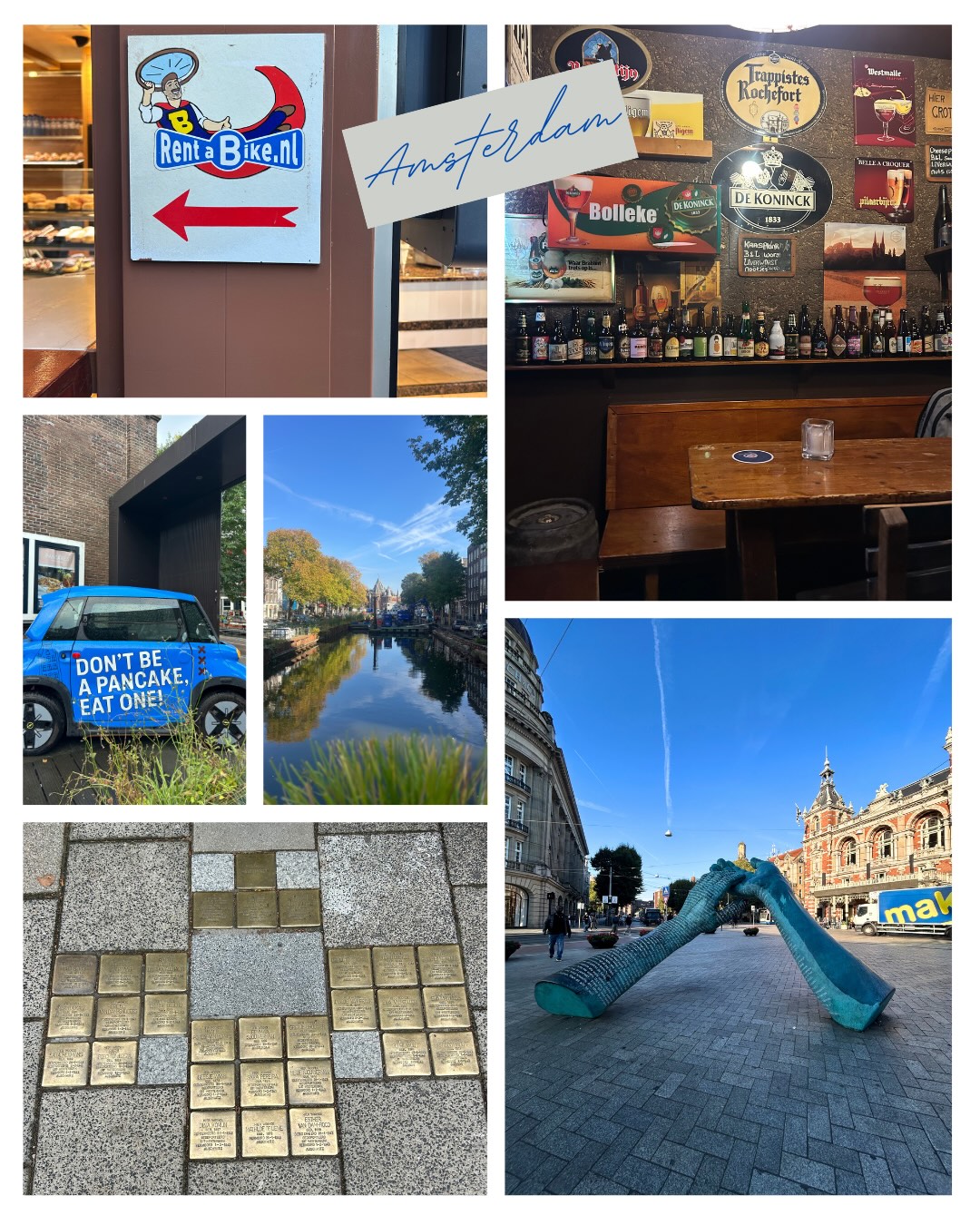
The walking tour was a lovely jumble that took us past the thinnest house, the leaning house, the skinny bridge (Magere Brug), the old Dutch East India Company HQ, and generous gyaan about coffee shops and edibles.
After miles of walking, we took a canal boat ride that every travel guide, travel forum and his grandmother will tell you is a must-do. But it didn’t impress us. Do note that these canals are among the ancient flood management systems adopted by Amsterdam.
Protip: All Canal Boat tours are basically the same, so it doesn’t matter which one you take. Ours glided past the Doelen Hotel, Rijksmuseum, Royal Theatre Carré, the National Bank, under Magere Brug, and out toward the IJ waterfront, offering gorgeous views of Centraal Station, the NEMO Science Museum, A’DAM Lookout, and the floating Chinese restaurant that looks suspiciously like it got lost on its way to Shanghai.
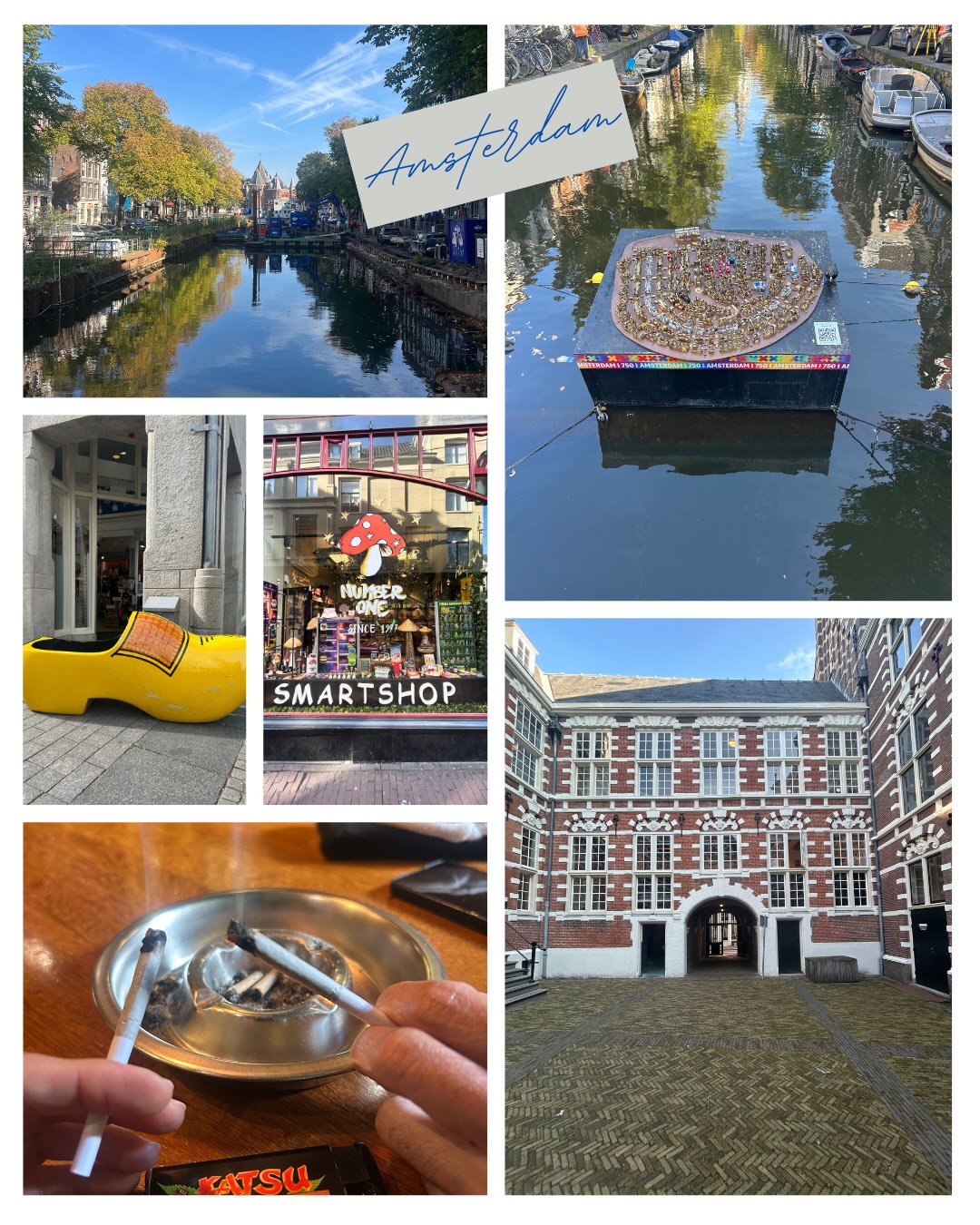
Back on land, we tested our “coffee shop knowledge.” Either the joint was weak, or we are thick-skinned buffaloes. No psychedelic revelations to report.
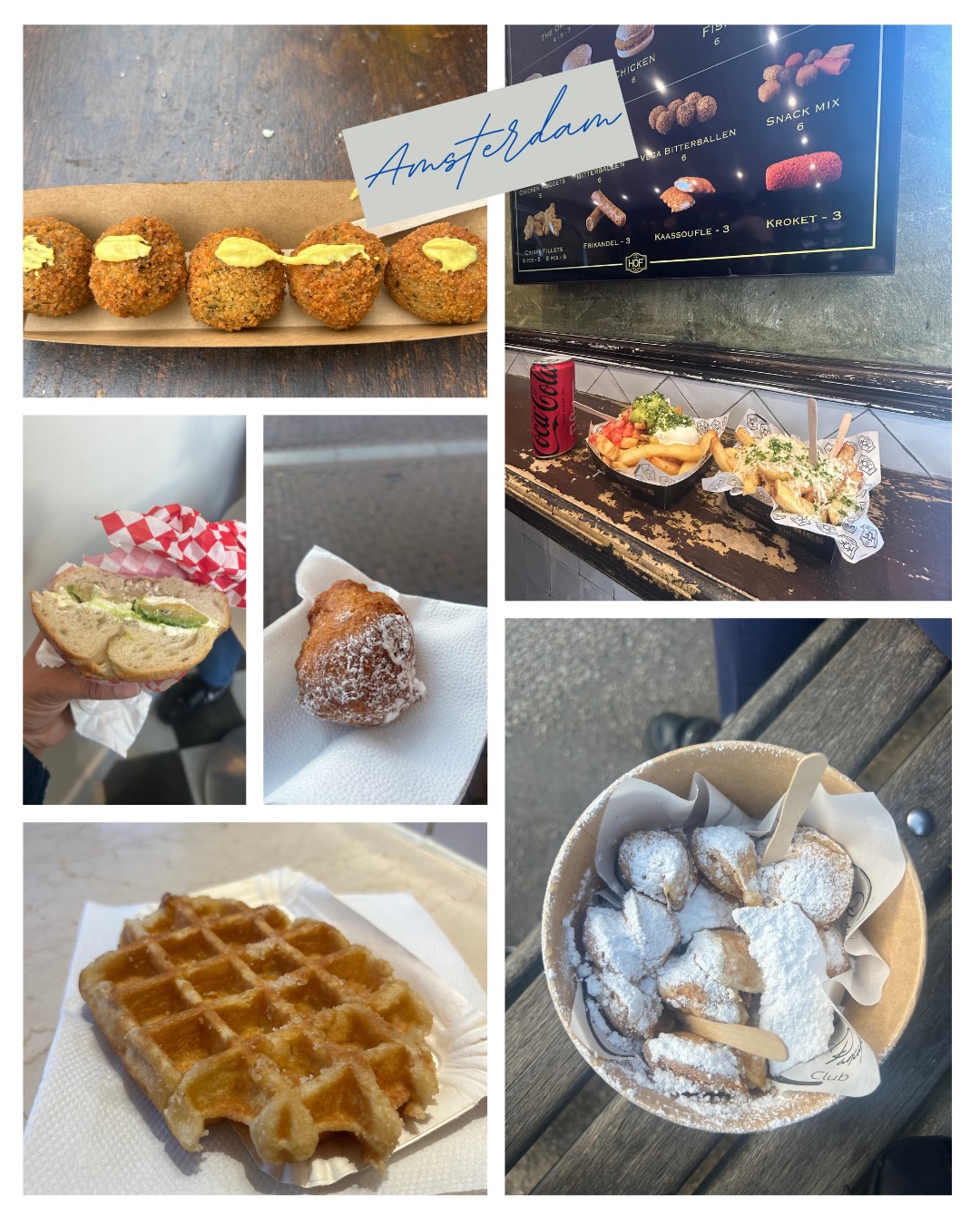
We sauntered around some more, revisiting on land what we saw from the boat, gobbled some poffertjes (stroopwaffels, olibollen, vegan bitterballen and the famed fries. Gosh, not all in one sitting, but during the course of our stay! What were you thinking!!).
Day 6:
My date with Van Gogh. (The planner in me took a hit when I failed to snag Anne Frank Museum tickets. Apparently, they sell out faster than my confidence in my own efficiency.) But standing before “The Potato Eaters” and “Almond Blossom” made up for it.

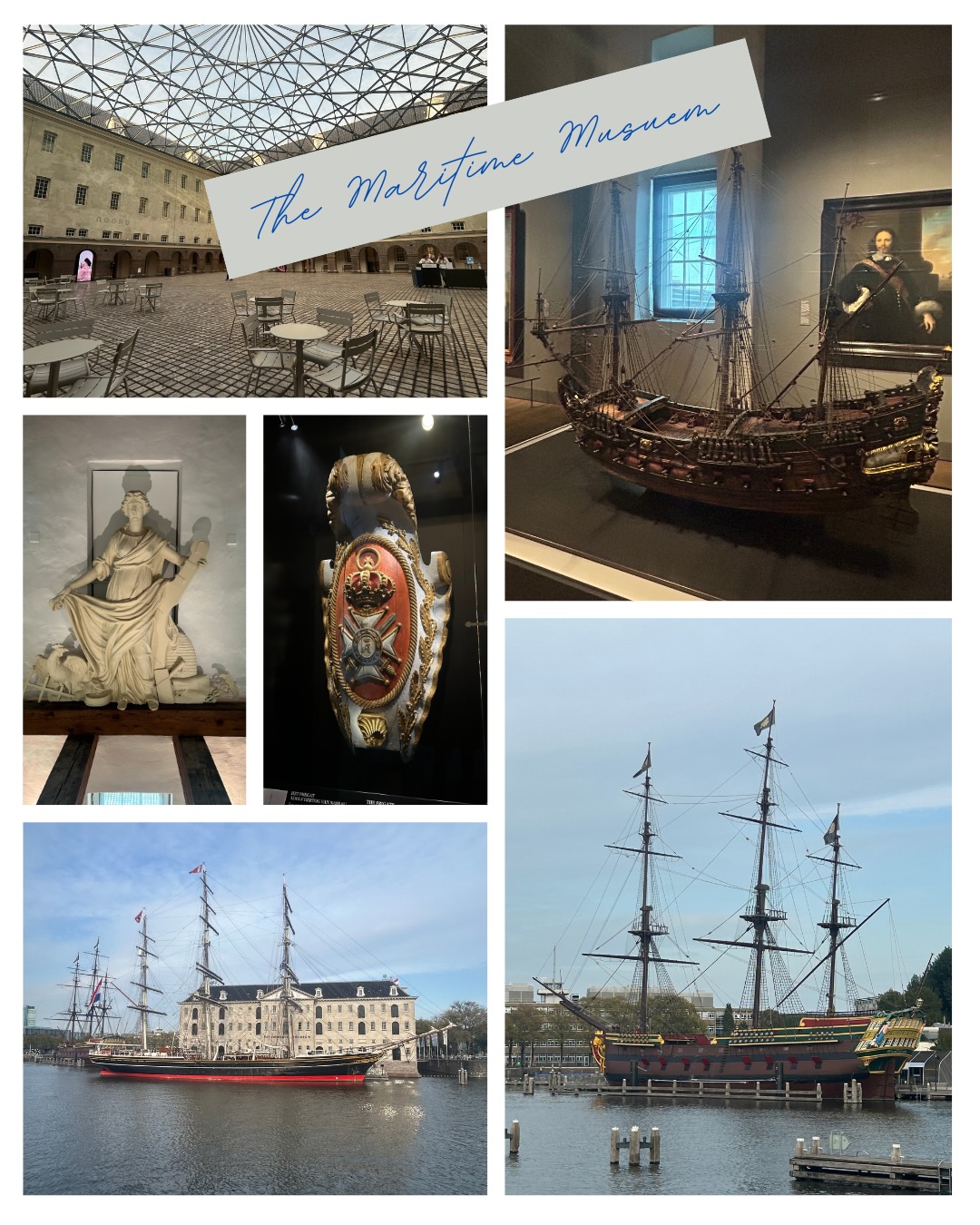
Meanwhile, the better half cycled around like a blissful vagabond. We reunited at the Maritime Museum and boarded a replica of a Dutch East India Company ship. The real one didn’t get very far, having sunk off the English coast on its very first trip.
Our second attempt at “trying stuff” later that evening in a coffee shop ended much like the first. Clearly, we are not cut out for the highs of Amsterdam except for the scenic ones. To make matters worse, we forgot to buy any edibles, not even a single gummy bear. Tragic.
Day 7:
While he caught up on work, I visited the National Holocaust Museum and the Portuguese Synagogue. I have always been drawn to Holocaust stories. Visiting such places feels like paying homage. I admire how the Dutch confront their past with honesty and grace; apologising with dignity their failure to protect the Jews or the atrocities carried out by the Dutch East India Company.

The Portuguese Synagogue, built by the Sephardic Jews expelled from Spain-controlled Portugal, was stunning! Possibly my favourite after Krakow’s Temple Synagogue. As I was walking though the various sections of the synagogue, I was struck by the eerie similarities between Jewish rituals and those of Indian Brahmins especially those around menstruating women, death rituals and even the bar mitzvah.

Our final plan was to check out the NDSM wharf-side, but Amsterdam had other ideas. Gusty winds and relentless rain made the idea feel more like a punishment than an adventure. We threw in the towel and quietly returned to our hotel, packed up, rested well, fresh and ready to fly home.
We came for the waterworks, but we left with a sense of perspective. From the delta defences to the canals, from Van Gogh’s paintings to centuries-old synagogues, we experienced resilience, creativity, and a quiet joy that isn’t always loud but always felt.
And yes, I may have eaten entirely too many poffertjes and stroopwafels, but in the grand scheme, that’s part of what travel should be. Indulgent, messy, joyful, and unforgettable!
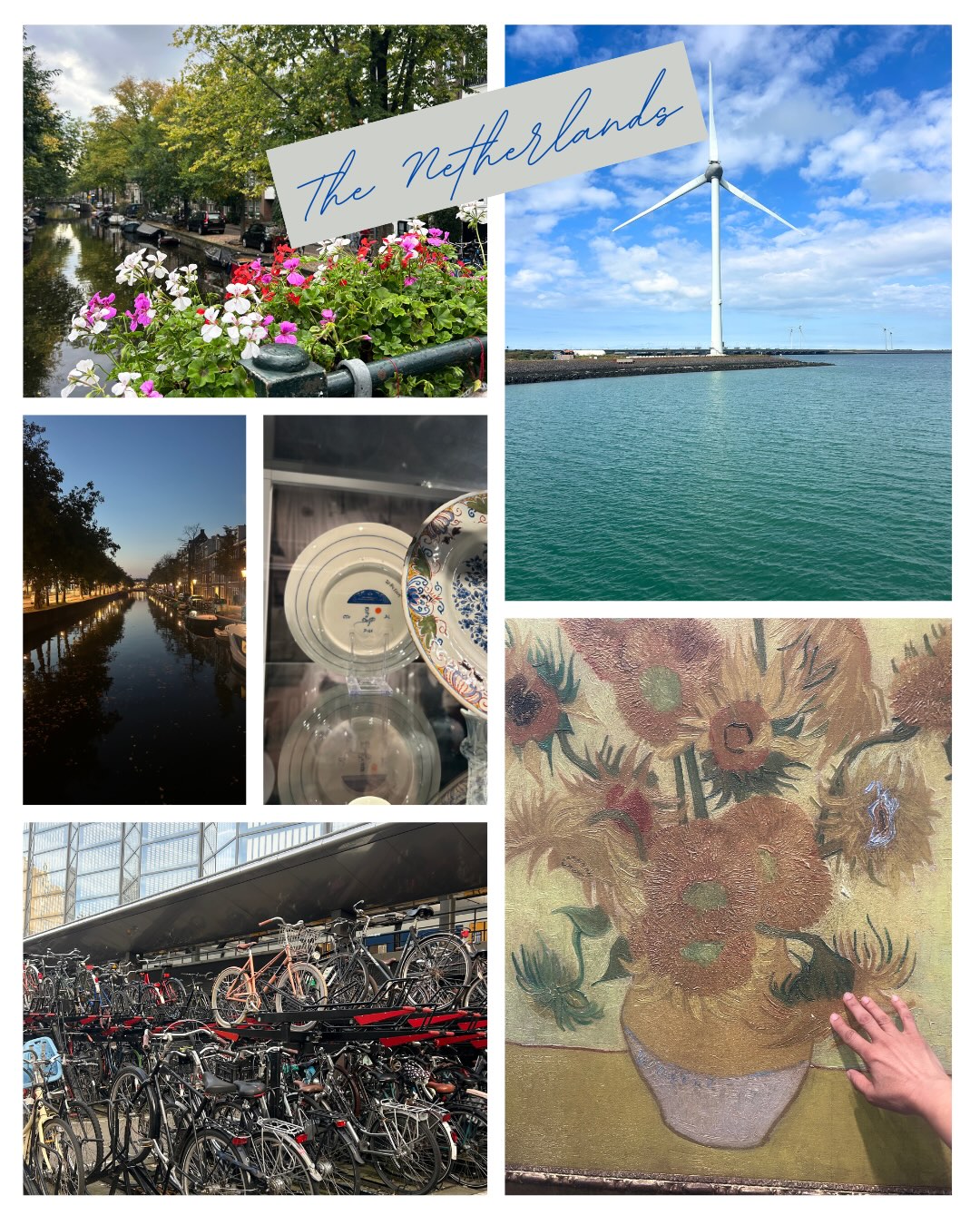
A word of caution: you cannot touch any of the paintings in the museum. What you see in the pic above is a replica that is meant for a sensorial experience. It is located on a wall between the museum shop and the cafe.
 Kirana Bhat