Growing Up With the Idea of Kashi
Varanasi. Banaras. Kashi. I grew up calling it Kashi and for years knew it by no other name. For many devout Hindus, a visit to Kashi is not a holiday but a pilgrimage. Back in the day, pilgrims from my hometown who visited Kashi would give up something they loved to eat. It was symbolic – a way of renouncing material desires. I know someone who stopped eating karela (bitter gourd) of all things!
Our wedding rituals include the “Kashi yaathre” (pilgrimage to Kashi) ritual, where the young bachelor announces that he is leaving for Kashi to become a sanyasi because no one has found him an eligible wife. He is stopped by his maternal uncle, who promises to find him the perfect bride. The ritual perhaps comes from the fear that a son might choose the life of an ascetic over that of a family man.
A City Older Than Its Names
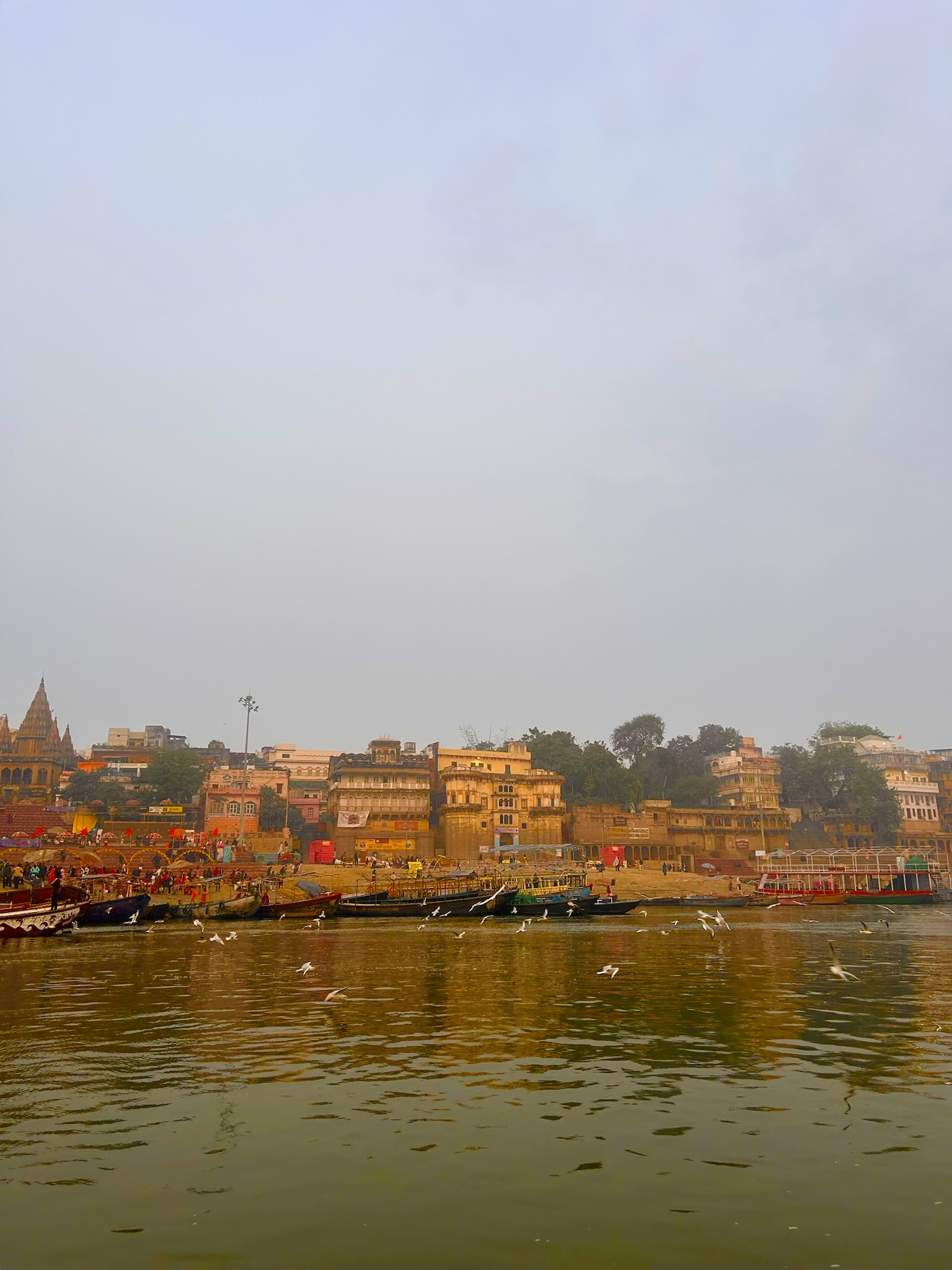
The city was Kashi long before it became Varanasi; by that, I mean that for several thousand years it was Kashi. It existed during the Chinese traveller Xuanzang’s visit to India in the 7th century, and when Shankaracharya came here to debate Buddhist monks. The city finds mention in the Kashi Kanda of the Skanda Purana as well.
Legend also places Veda Vyasa, the scribe of the Mahabharata, at Ramnagar on the other side of the River Ganga. It is said he retreated there after becoming disgusted with Kashi, where he found it difficult to obtain alms. Kashi is counted among the longest continuously inhabited cities in the world, alongside Athens in Greece, Jerusalem in Israel, and Kanchipuram in South India.
Dawn on the Ganga – The Asi Ghat Arathi
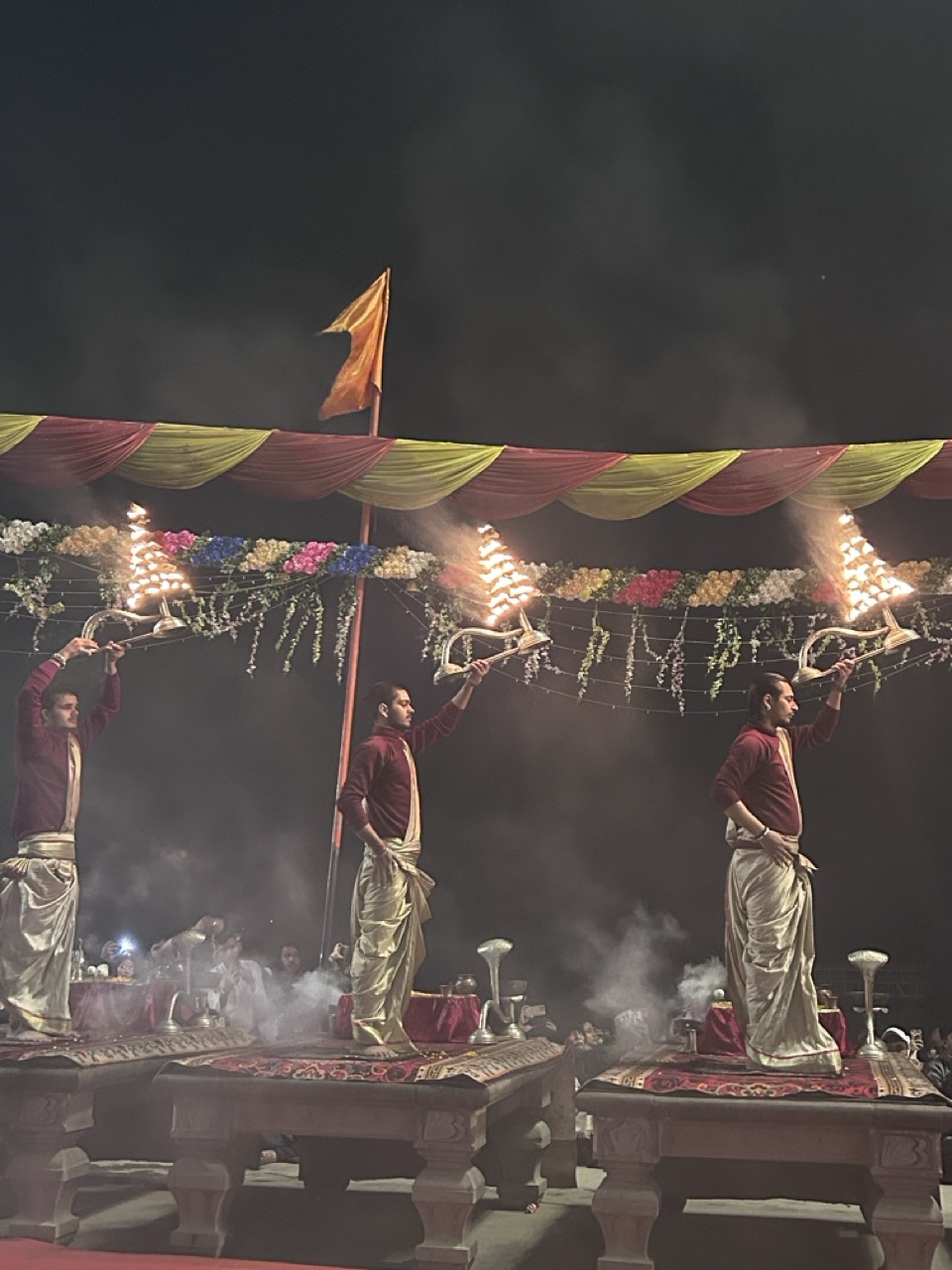
Our trip began with the early morning Ganga Arathi at Asi Ghat. This is a relatively recent addition, just over a decade old; introduced after a major clean-up of the ghat. The arathi timings vary slightly between summer and winter months, and it is best to arrive at least an hour early to secure a chair. Otherwise, you have to stand or squat behind the four to six rows of chairs (and I’m not sure how much you can see from there, even though the pujaris perform the arathi from a raised platform). The ceremony is accompanied by live Vedic chanting and it is followed by a yoga session that is open to everyone.
Stories From the River
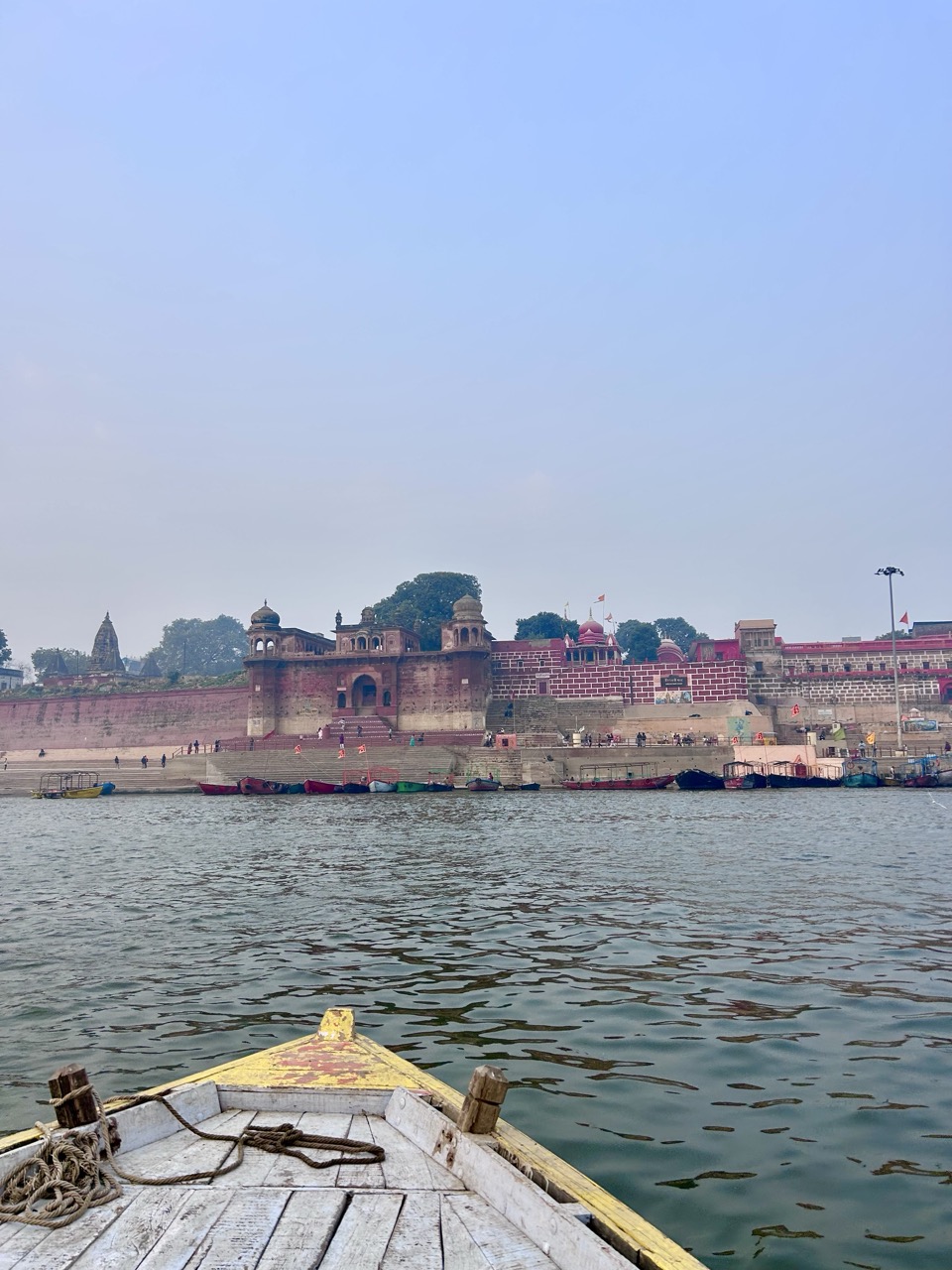
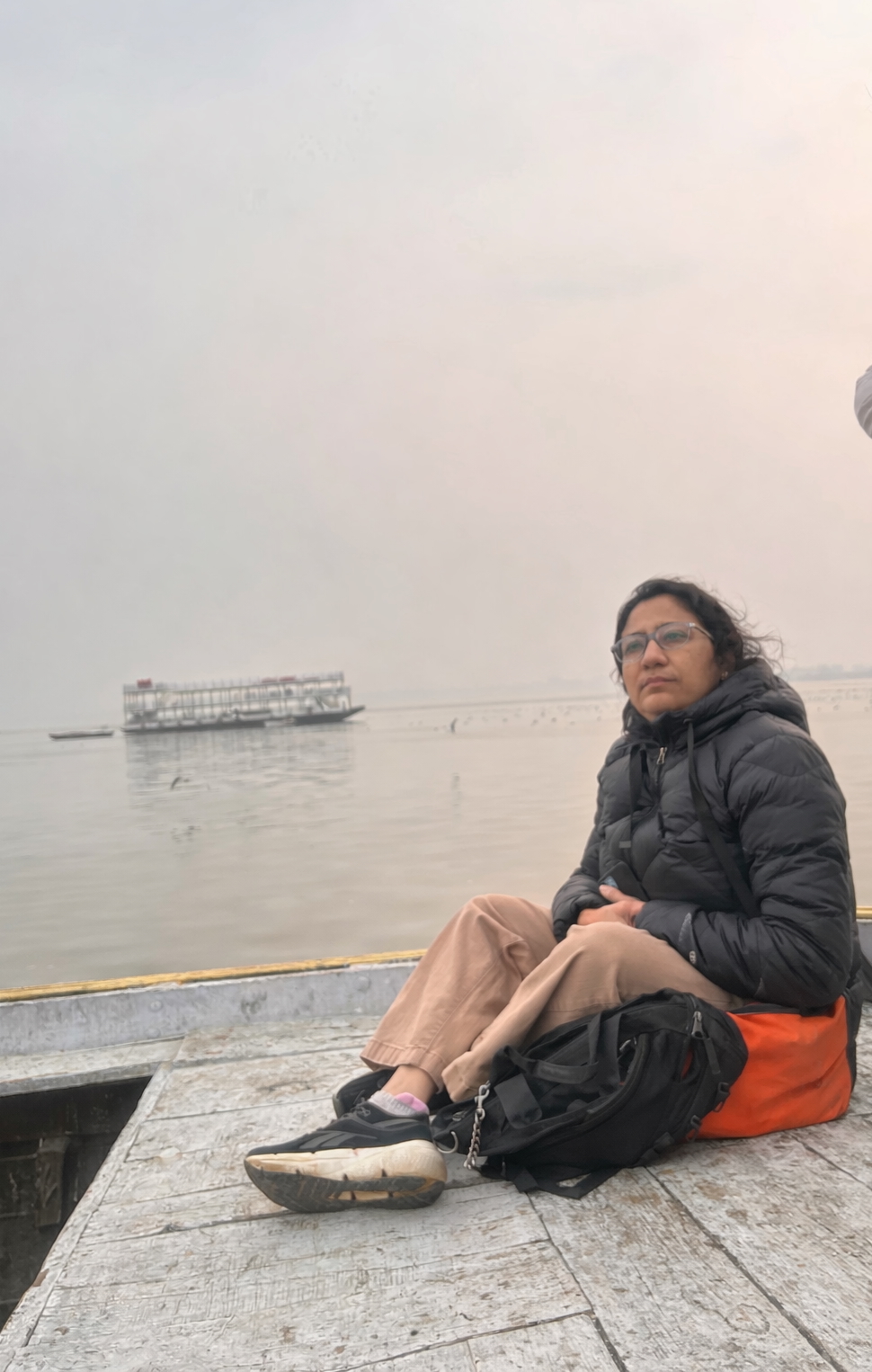
From there, we quickly jumped into a boat for a ride along the Ganga. The boat ride turned out to be unexpectedly educational. We had hired a private boat, and the boatman regaled us with stories about the various ghats. He also told us that Sita and Rama from the Ramayana were able to cross the river only because of the Nishadraj community of boatmen, whose rulers ferried Rama, Sita, and Lakshmana across the Ganga. He also warned us that couples should not visit Narad Ghat, as a divorce is guaranteed.
Art and Memory at Bharat Kala Bhavan
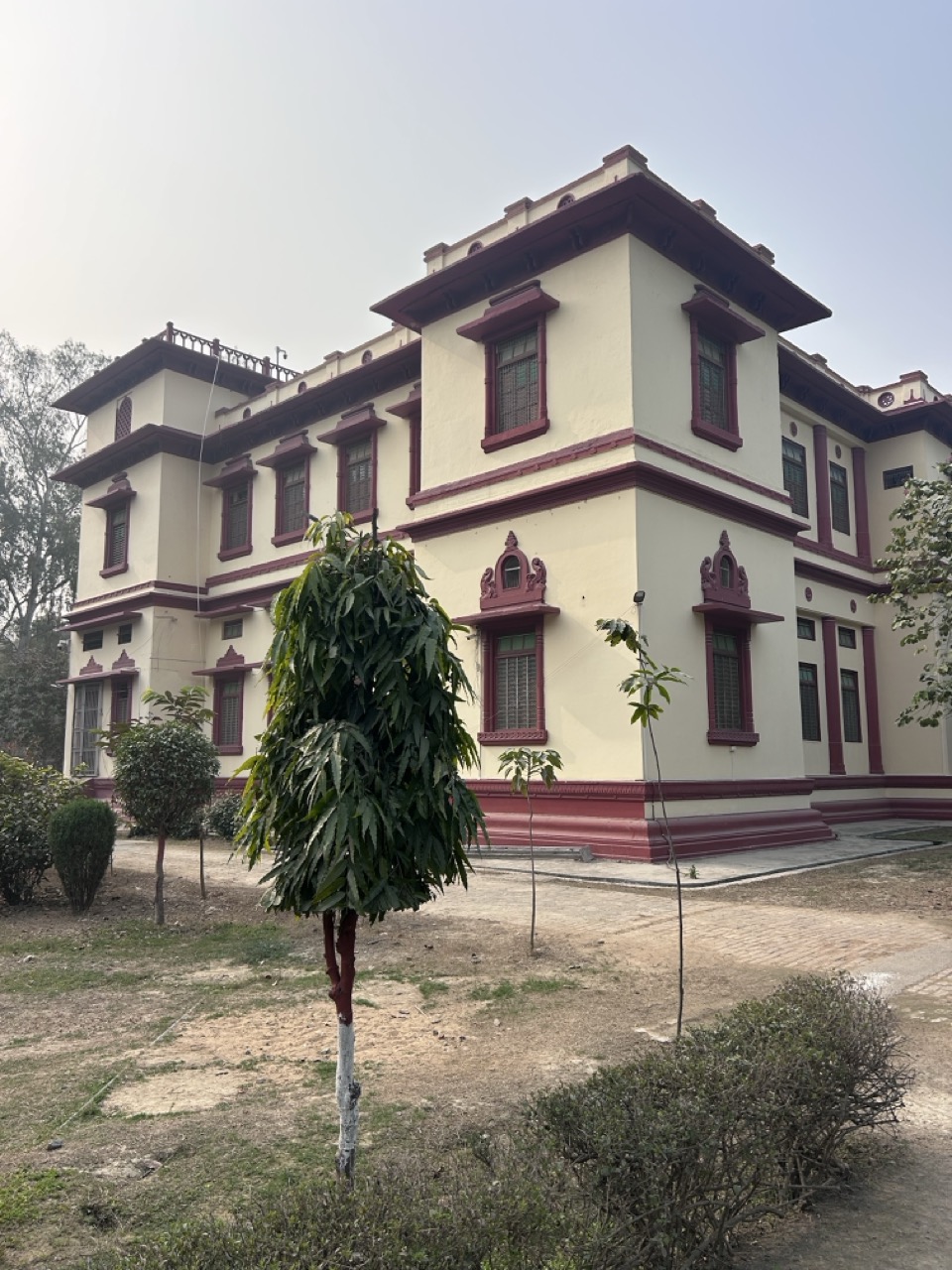
We visited Bharat Kala Bhavan, one of India’s oldest museums, founded by Madan Mohan Malaviya. Located inside the BHU campus, the museum has a rich collection of art, sculptures, and jewellery. Photography is not allowed; in fact, visitors cannot carry anything inside, not even a handbag. Everything must be left in lockers at the entrance.
The Spectacle of the Evening Arathi
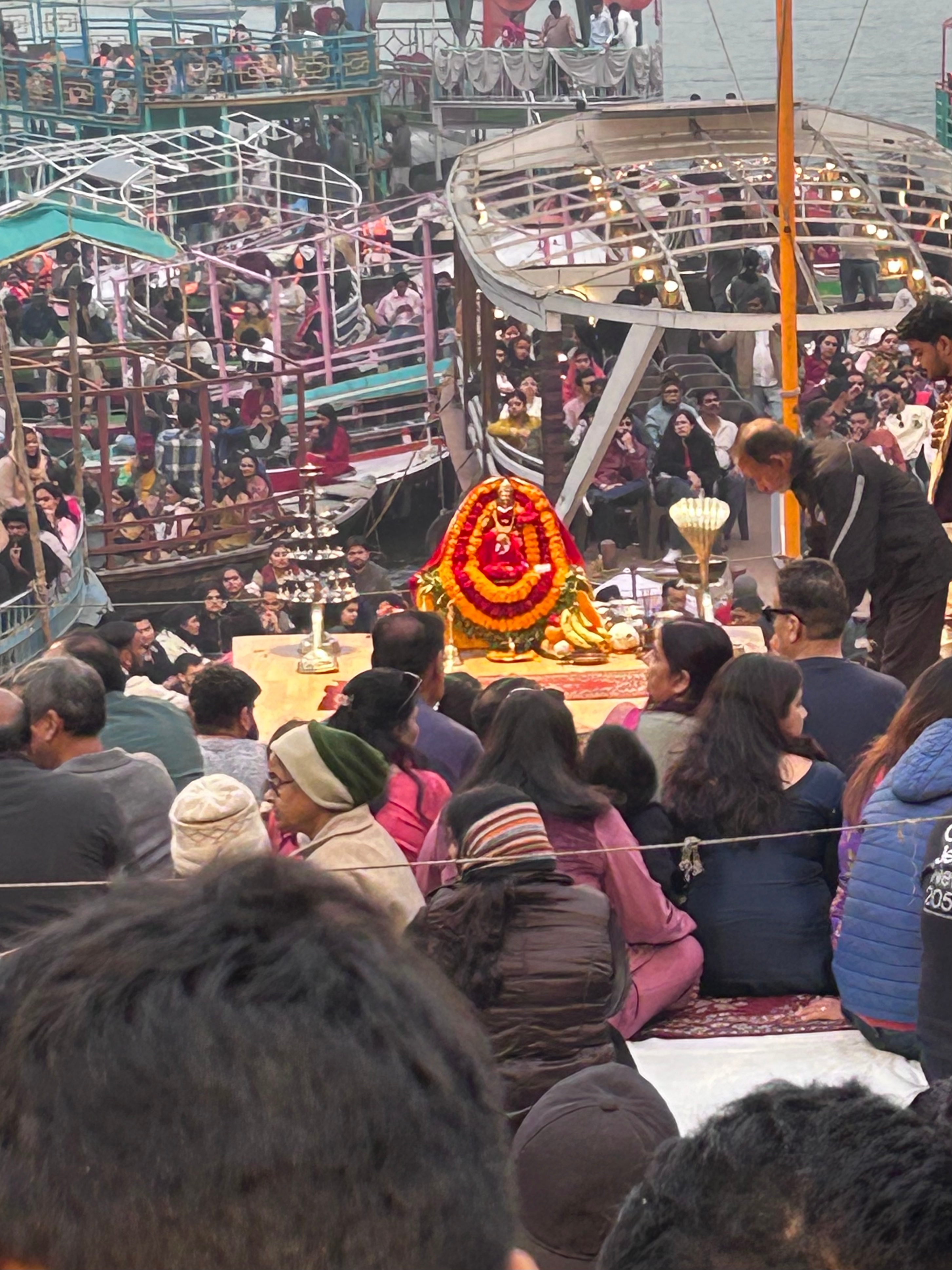
We ended the evening at Dashashwamedha Ghat for the evening arathi. Even though we arrived an hour early, all the seating on the steps had already been taken. Still, I was glad we were not on a boat. I’m not sure what kind of view one gets from there.
Walking the Ghats of Kashi
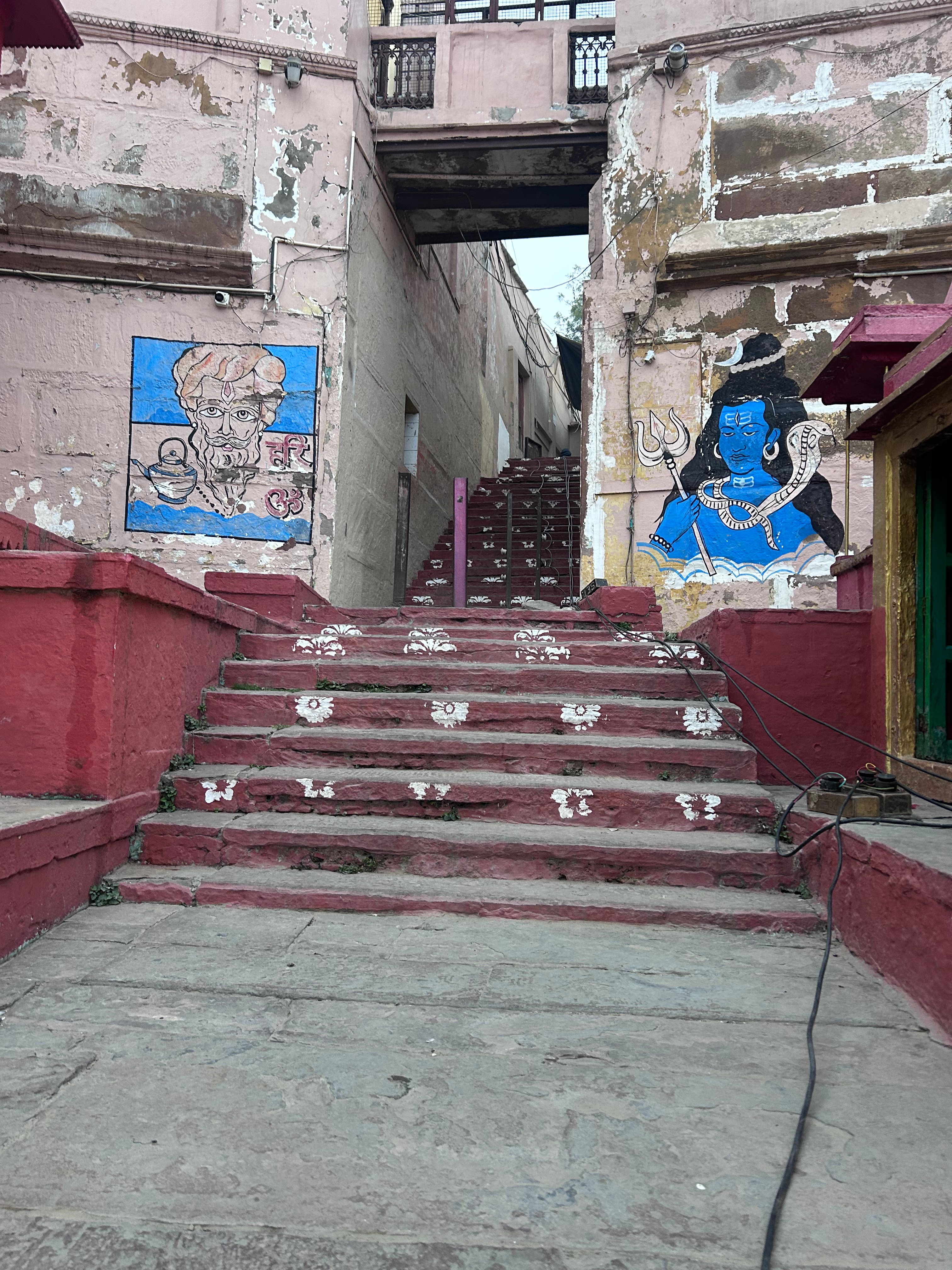
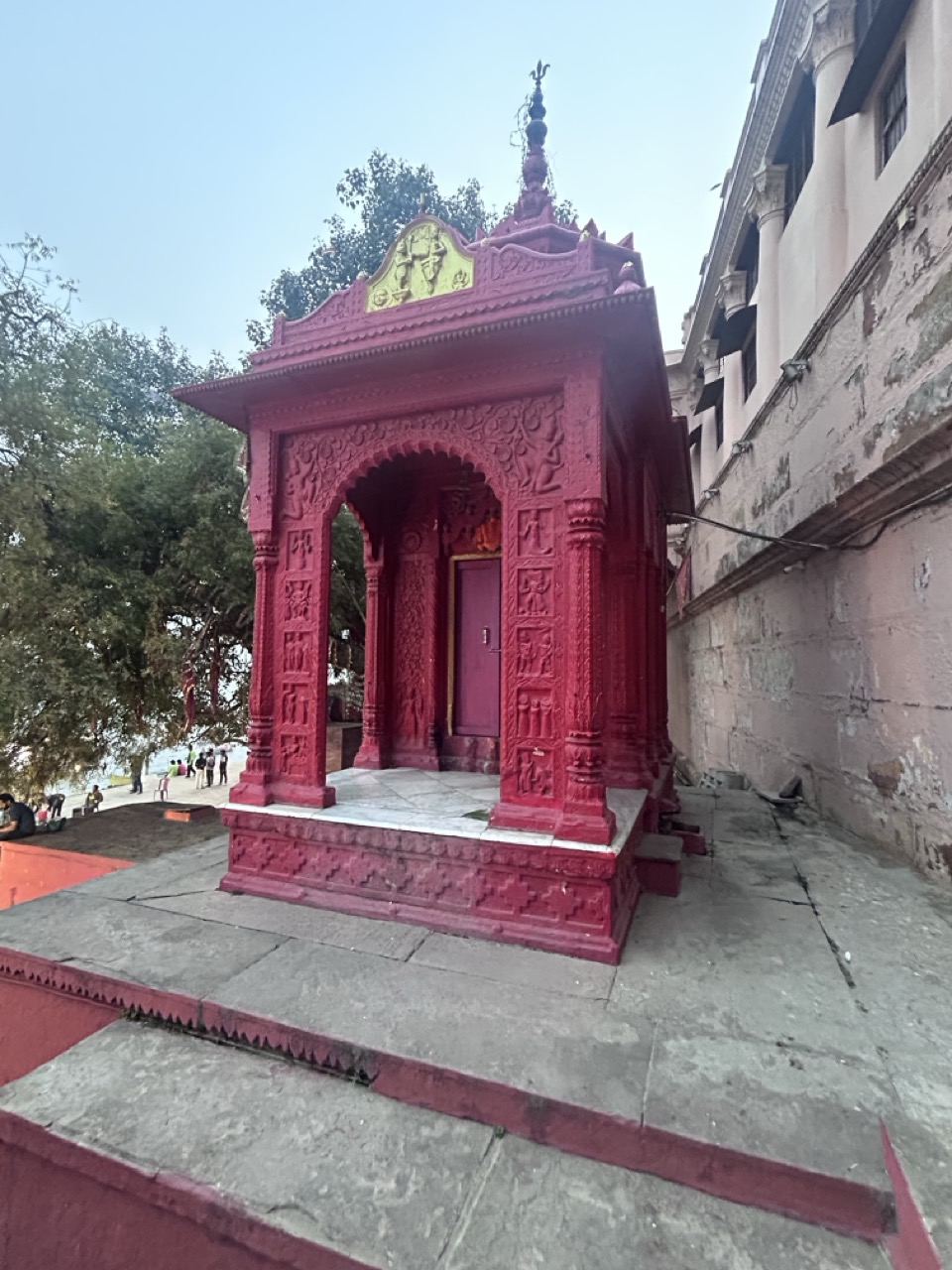
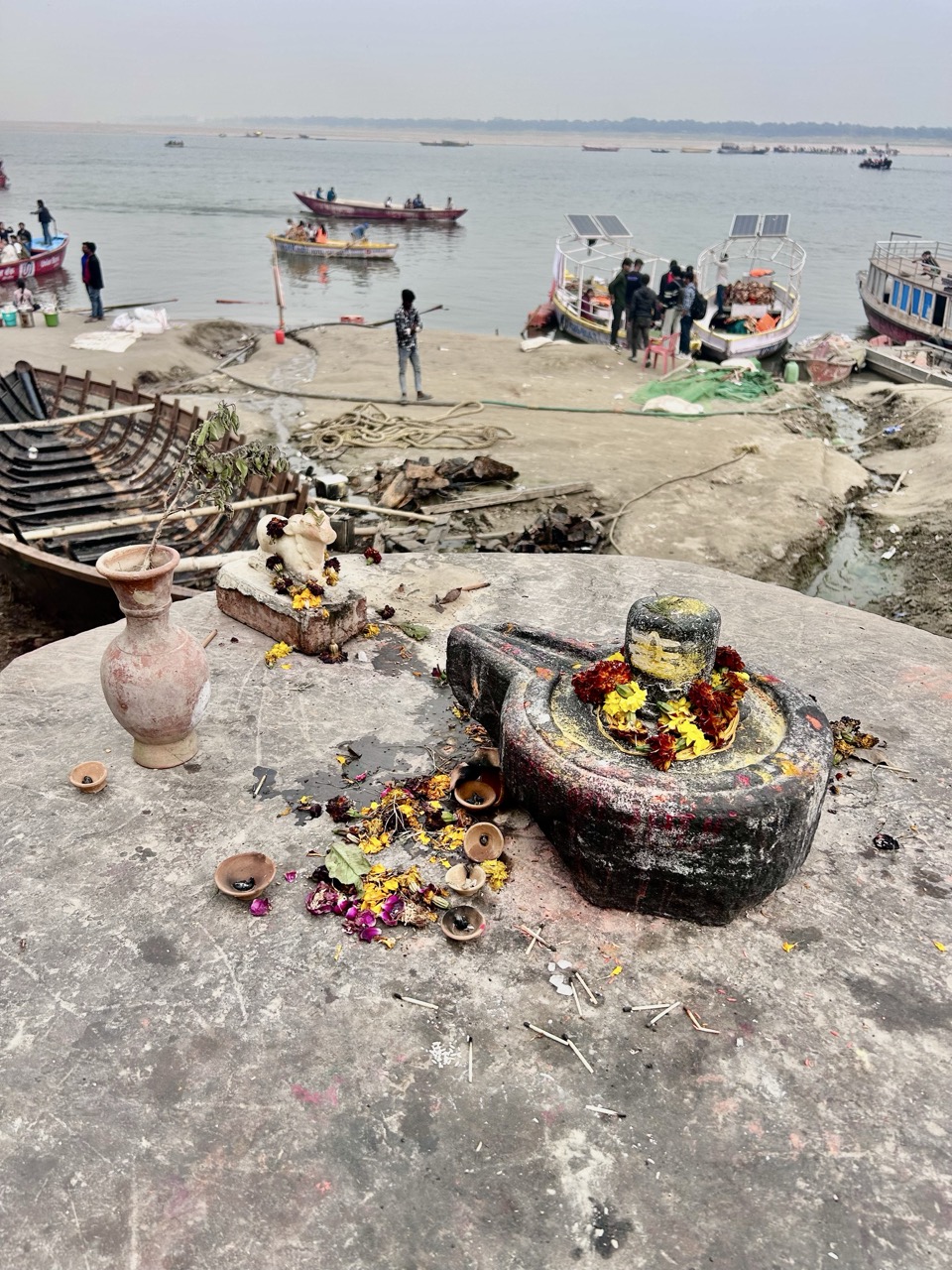
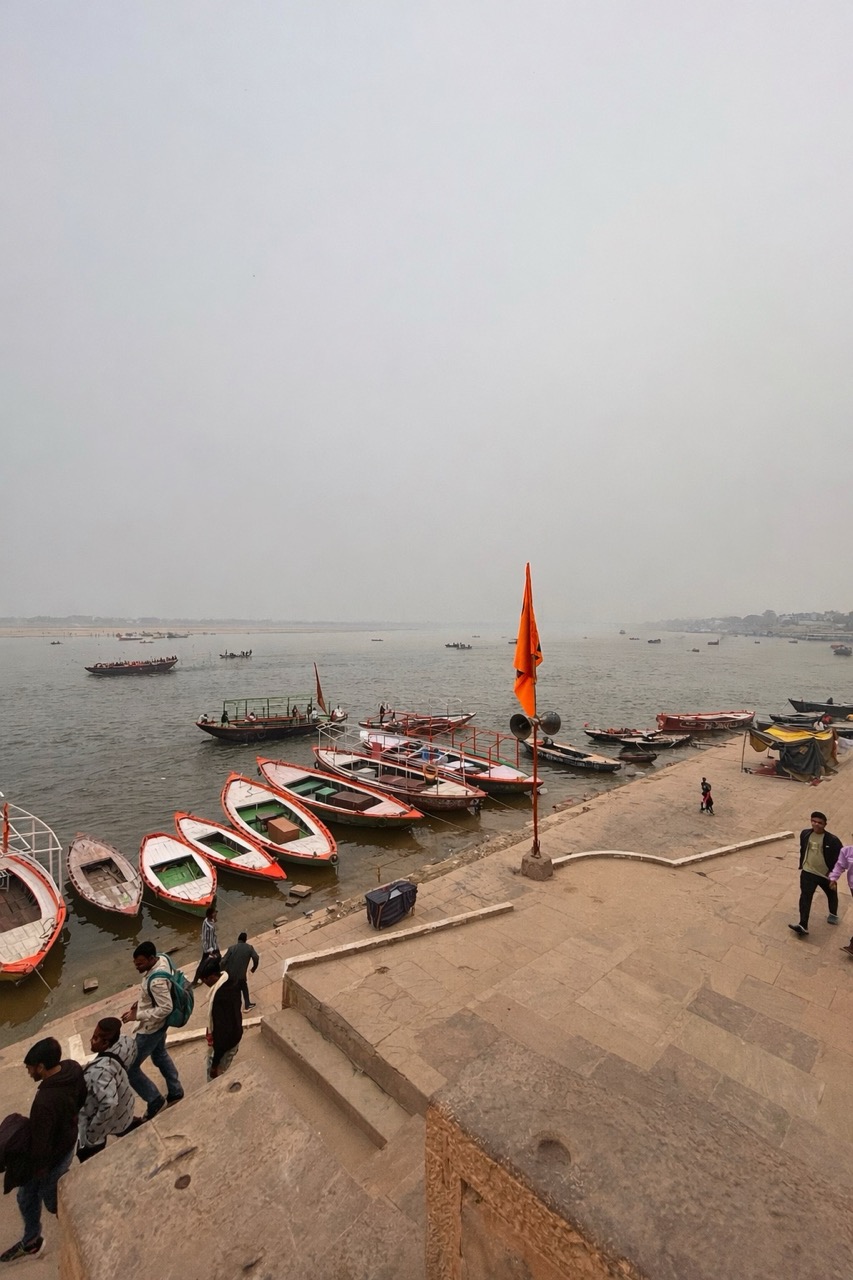
Over our two days in Varanasi, we saw many of the great and small ghats from the boat, but we also spent a lot of time simply walking along them. The larger structures belonged to wealthy patrons from outside the city (for the personal use of many a royalty from kingdoms across India and Nepal when they visited the city), standing alongside others with much humbler origins, like that of the Nishadraj community. Many lie in a state of disrepair, yet remain grand reminders of a different time. Ghats also belong to Sikhs, Jains, and Buddhists. There are ghats named after sages and ascetics, and even after professions of people who once lived there. And then there are the cremation ghats. The ghats are never still. Priests chant over small fires, pilgrims descend the steps carrying prayers on their lips, boatmen shout for passengers, and temple bells cut through the morning air. Life unfolds here in layers – ritual, commerce, devotion, and spectacle.
Nandeshwar Ghat is said to be the cleanest of them all and it truly is. Perhaps its cleanliness owes something to the regular Bollywood shoots that take place there.
Eating Our Way Through Varanasi
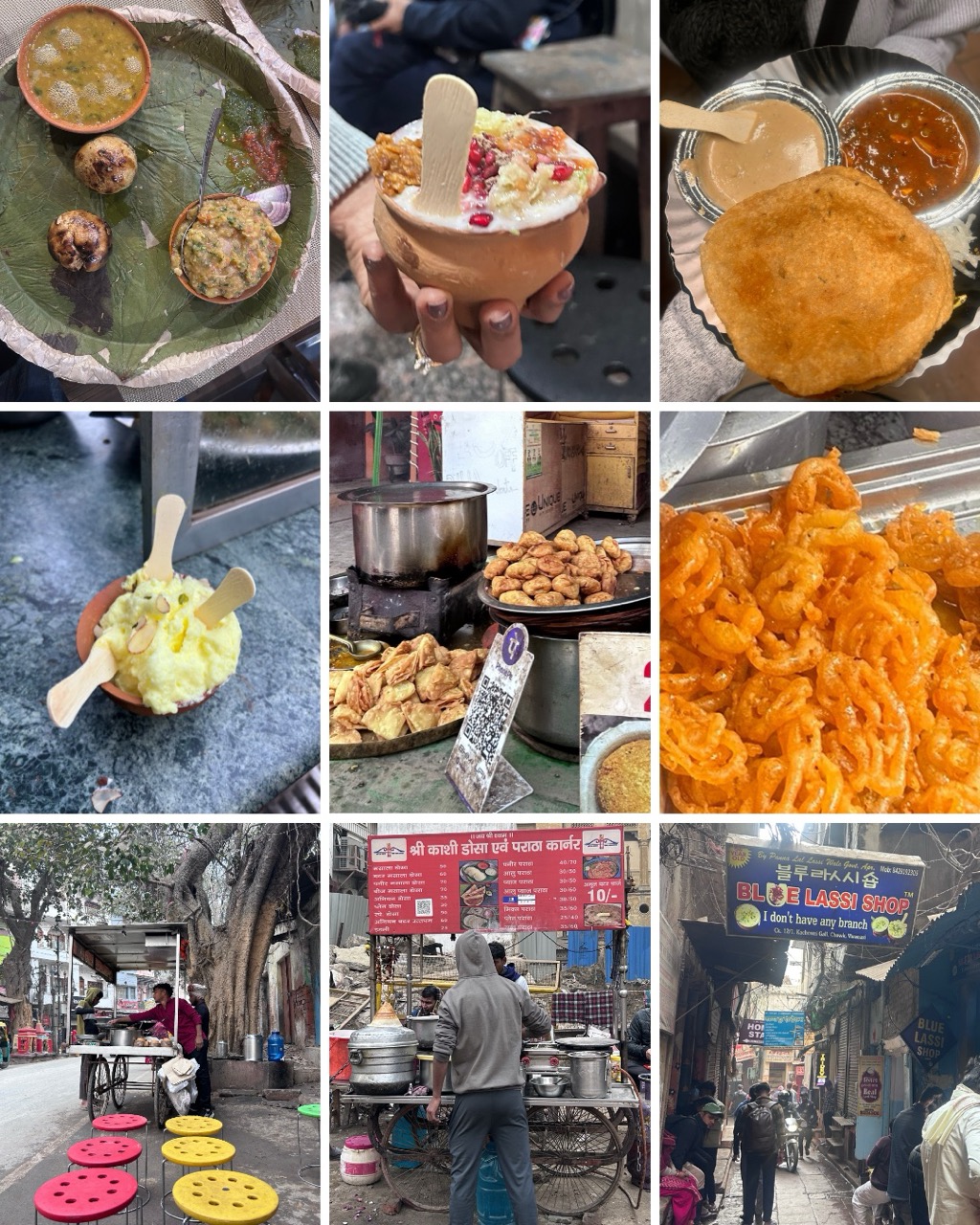
We also dedicated a fair amount of time to trying the local “must-tries.” The world-famous lassi at Blue Lassi is a meal in itself. The malaiyo is light and fragrant, the kachoris with their gravy are perfect when eaten hot, and the baati, as usual, is filling.
When Expectation Meets Reality
If the “disrespectful Kashi” once put off Veda Vyasa, it was the dust, noise, and smell that put me off. I had read so much about money being poured into the development of Varanasi that my expectations were far higher than the ground reality. I was visiting the city over the Republic Day long weekend in January ’26, which probably made things worse than they might otherwise have been. Apart from the dust, noise, and smell, the crowds were unbearable. The skies were thick with smog, and even the sunrise was difficult to spot. The river may have been cleaned up; at least we did not see flowers, earthen lamps, diyas, or bodies floating in it. But according to reports, it still has alarming levels of faecal matter.
Faith, Ritual and Performance
If you ask me, the arathi, while raising the religious fervour of those gathered, is little more than a spectacle. The priests conducting it mouth the lyrics to chants blaring from loudspeakers (in contrast to the live chanting during the morning arathi) and carry out the rituals in a mechanical fashion. Those seated in the first row must remove their footwear, while those sitting right behind them can keep theirs on. How? Why? Please explain the logic behind this requirement.
The Other Varanasi
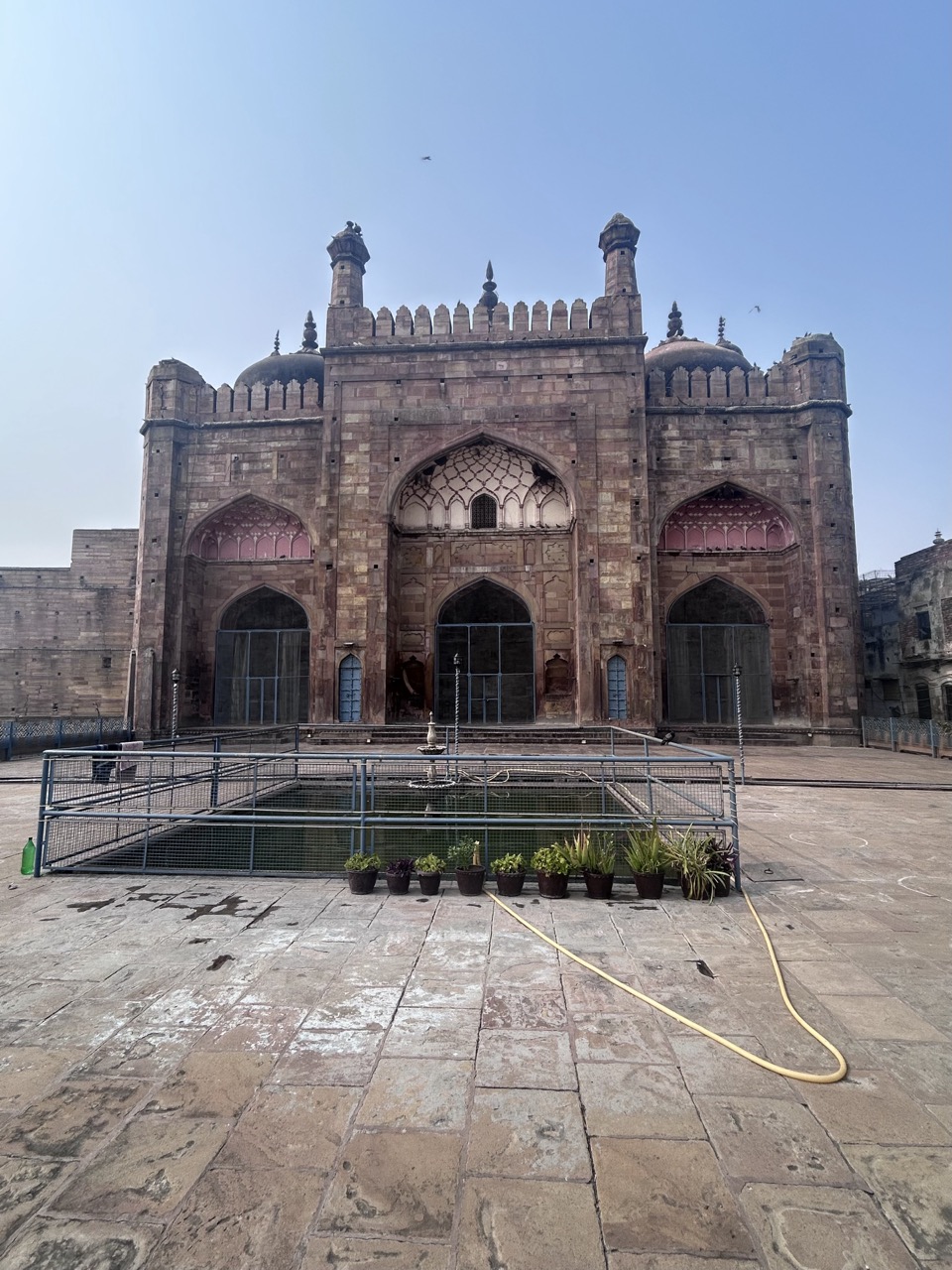
The religious fervour is so overwhelming that the Alamgir Mosque does not feature on the tourist radar at all. Honestly, it is a beautiful mosque, and its location is fantastic, offering sweeping views of the river and the ghats. Or the house where Ustad Bismillah Khan, the world-famous shehnai player, lived (he used to play the shehnai every morning at the Kashi Vishwanath temple).
An Unpleasant Encounter
Not all my experiences in the city were pleasant. I was the target of unwelcome behaviour of a sexual nature and that too by a gutka-chewing 12-year-old boy who thought nothing of hitting me on my breast. We took him to task, and I was pleasantly surprised by how the police responded and handled the matter. What troubled me most was the boy’s age. It made me wonder how many others he might have targeted. We were not even in a crowded area when this happened, and the boy showed no remorse.
Leaving Kashi Behind
Varanasi is perhaps one of those cities that cannot be experienced without contradiction. It is ancient and sacred, yet chaotic and exhausting. It inspires devotion in millions, but it can also overwhelm the visitor with its noise, crowds, and disorder. Somewhere between the rituals, the stories of boatmen, the fading grandeur of the ghats, and the thick smog over the river lies the Kashi that people have spoken about for centuries. From there we went on to Sarnath, where the Buddha gave his first sermon. After the intensity of Varanasi, the quiet of Sarnath felt almost like an exhale.
 Kirana Bhat