So when the better half said, “Let’s go to the Netherlands to see the Waterworks,” I’ll admit, I stumbled. Waterworks? Turns out, it’s a whole lot impressive and I have learnt a ton since!
Where Rivers Meet the Sea and a Nation Fights Back
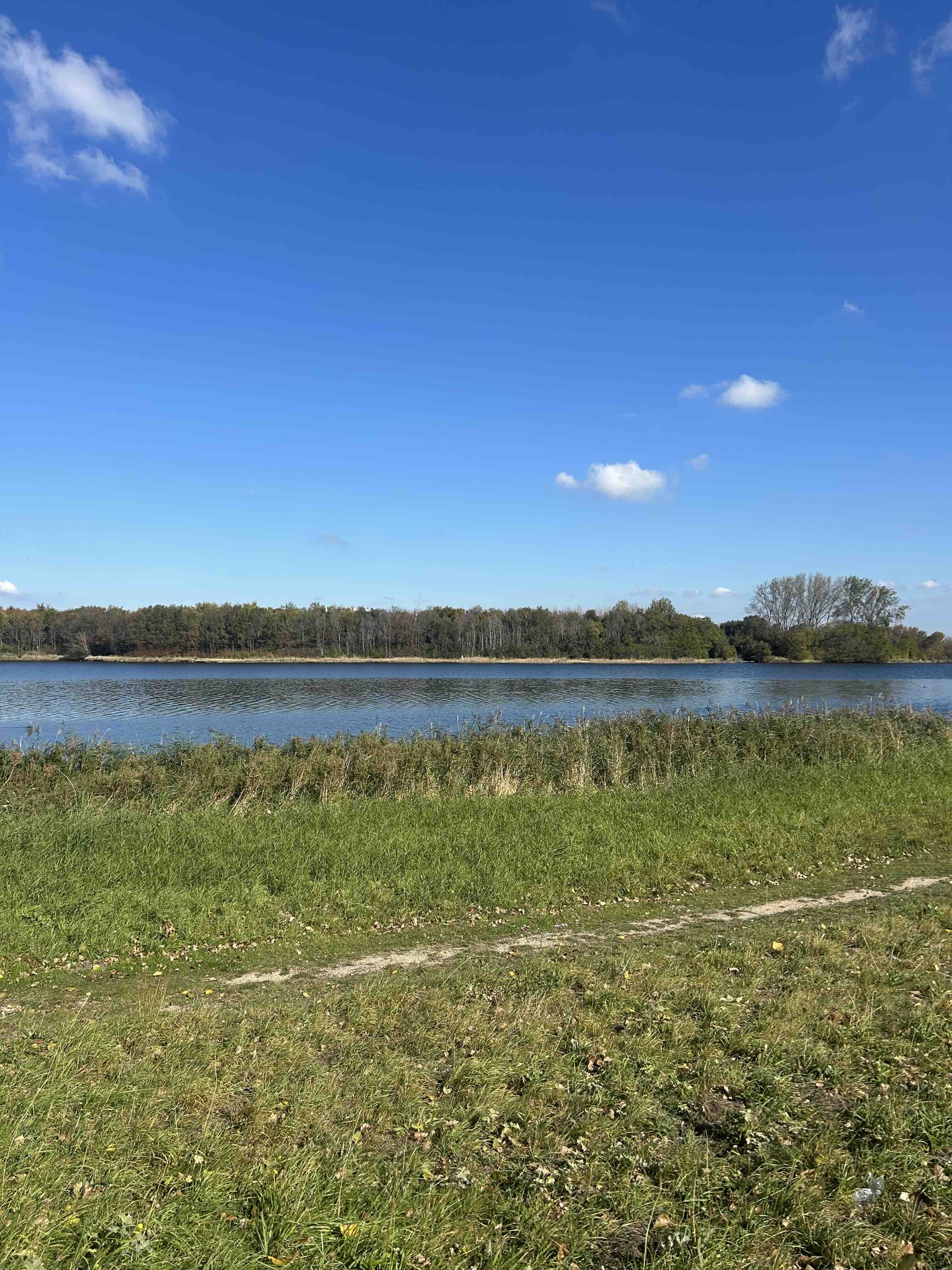
Three major European rivers, the Meuse, Rhine, and Scheldt, all end their journey together on the Netherlands’ west coast. Before they meet the sea, they fan out into a vast delta. Combine that with low-lying land, wild North Sea storms, rising sea levels, and the ever-faithful rain, and you have a recipe for constant flooding. Most people would have given up and moved inland. Not the Dutch.
As I wrote in an earlier post, “when life gives you lemons, the Dutch build dykes”. They have been so good at it for centuries that today they are the world’s undisputed masters of water management.
A Bit of History (and a Lot of Ingenuity)
It all started way back in the mid-1100s. Farmers living on polders began managing canals and dykes themselves. Over time, they formed groups to coordinate efforts, which landowners, the church, or the nobility sometimes oversaw.
A quick refresher – a polder is a piece of land reclaimed from water and kept dry through an intricate system of dykes, pumps, and canals. One of the earliest known polders, Achtermeer, still exists in North Holland.
Landowners later took it up a notch, signing reclamation contracts known as “copes”, which required farmers to divide the land into neat 14.5-hectare strips, giving rise to the so-called “ribbon villages.” Giethoorn (yes, the impossibly picturesque one on Instagram) is a descendant of this system. Back in the 12th century, this was cutting-edge land engineering.
Centuries later, the Netherlands needed centralised management. Thus, in 1798, the Bureau for Water Management was born, the ancestor of today’s Rijkswaterstaat, the national agency responsible for the design, construction, and maintenance of all major infrastructure in the country.
From Windmills to Steam Power to Mega Dams
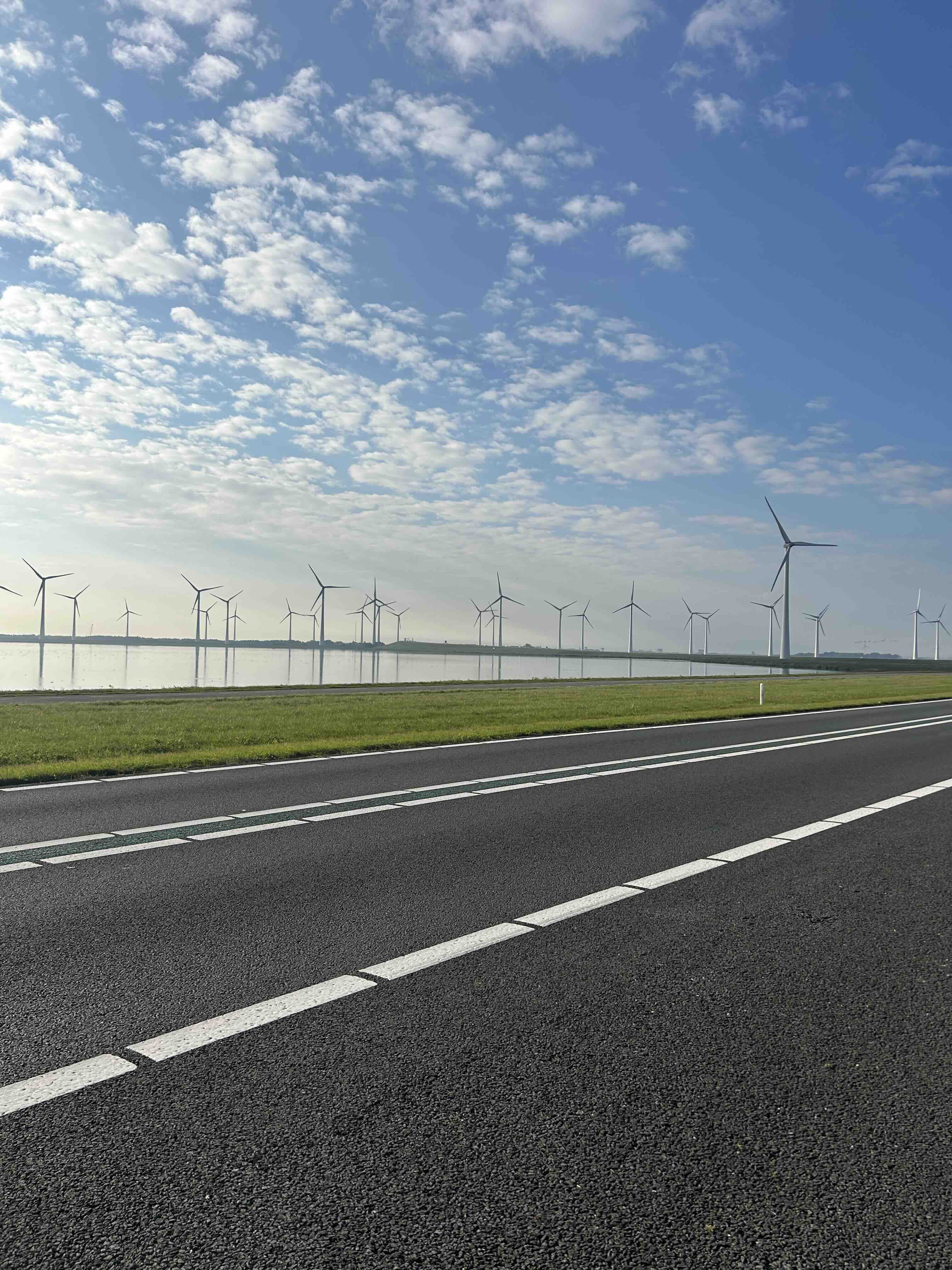
Before the steam engine came along, water was pumped out using windmills, technically “wind pumps” since they did not actually mill grain. Then steam engines made pumping a breeze (pun intended).
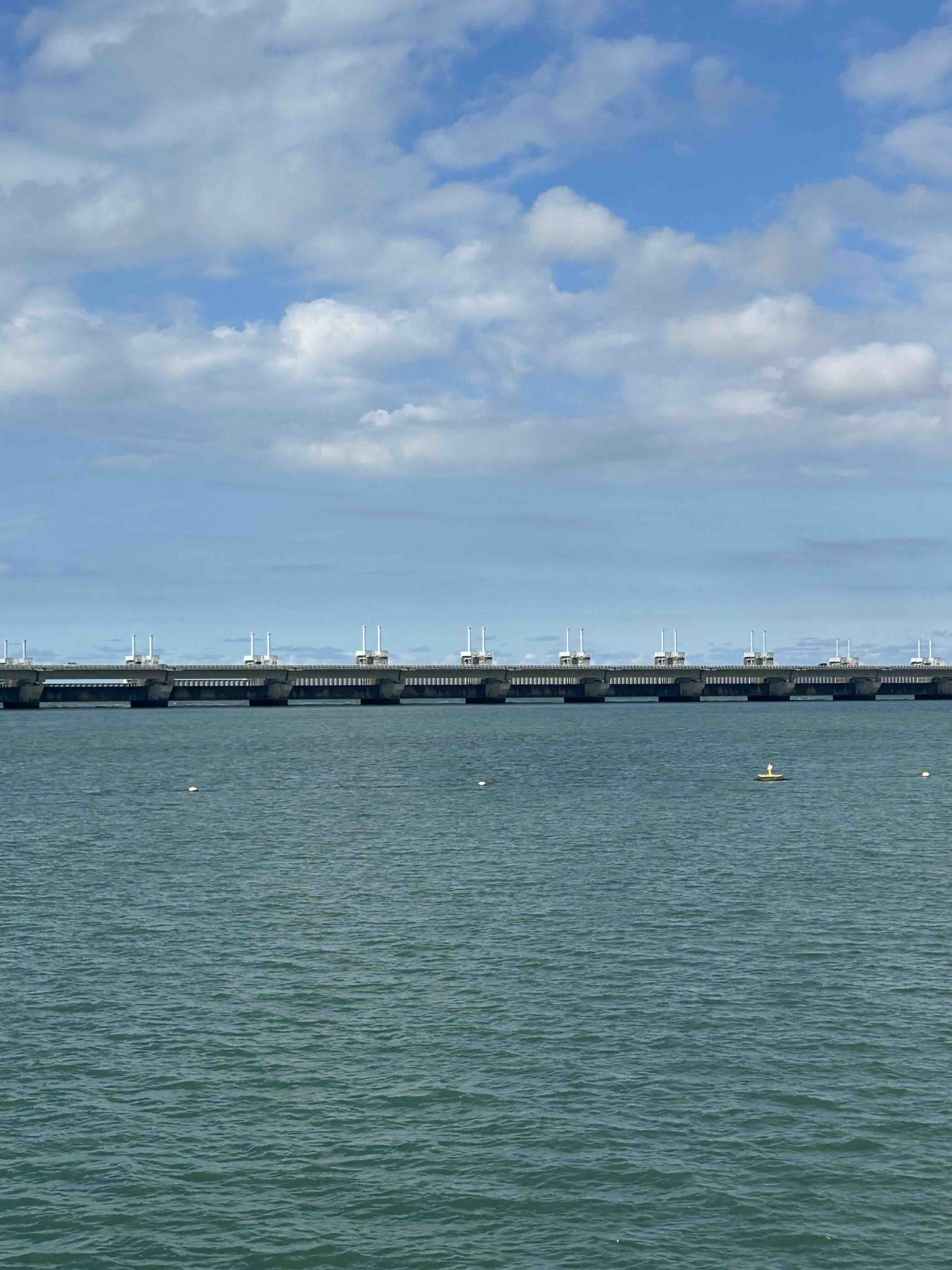
But nature doesn’t rest, and neither did the Dutch. After the catastrophic North Sea Flood of 1953, which devastated the Zeeland province, the nation decided “never again.” What followed was the colossal Delta Works, a system of dams, storm surge barriers, and sea locks, the largest flood protection project in the world, costing around €6.35 billion. The scale is mind-boggling; the purpose, deeply human.

What We Saw
With just one week to explore, we had to make tough choices. Here’s what made our shortlist:
Kinderdijk
A storybook landscape of 19 windmills rising above polders, with glistening waterways in between. Some of these 18th-century windmills still work! Today, the heavy lifting is done by giant screw pumps, but the magic remains. It is so peaceful – green fields, grazing sheep, chirping birds, large tracts of farms, barns that smell like…barns make up the landscape.

Watersnoodmuseum
Located in Ouwerkerk, one of the villages hit hardest by the 1953 flood, the museum is built inside four massive concrete caissons that were once used to plug the dykes. Each caisson tells a part of the story – the human tragedy, the recovery, the rise of water boards, and the political will that shaped the Delta Works.
Walking through it is sobering. There is a memorial and a small cemetery nearby, and even the air feels thick with memory.

Neeltje Jans
Now a family-friendly theme park (best enjoyed in summer), Neeltje Jans gives visitors an up-close look at the Eastern Scheldt Storm Surge Barrier, one of the jewels of the Delta Works. Seeing how this structure keeps the sea in check gives you new respect for human determination.
Amsterdam’s Canal Rings
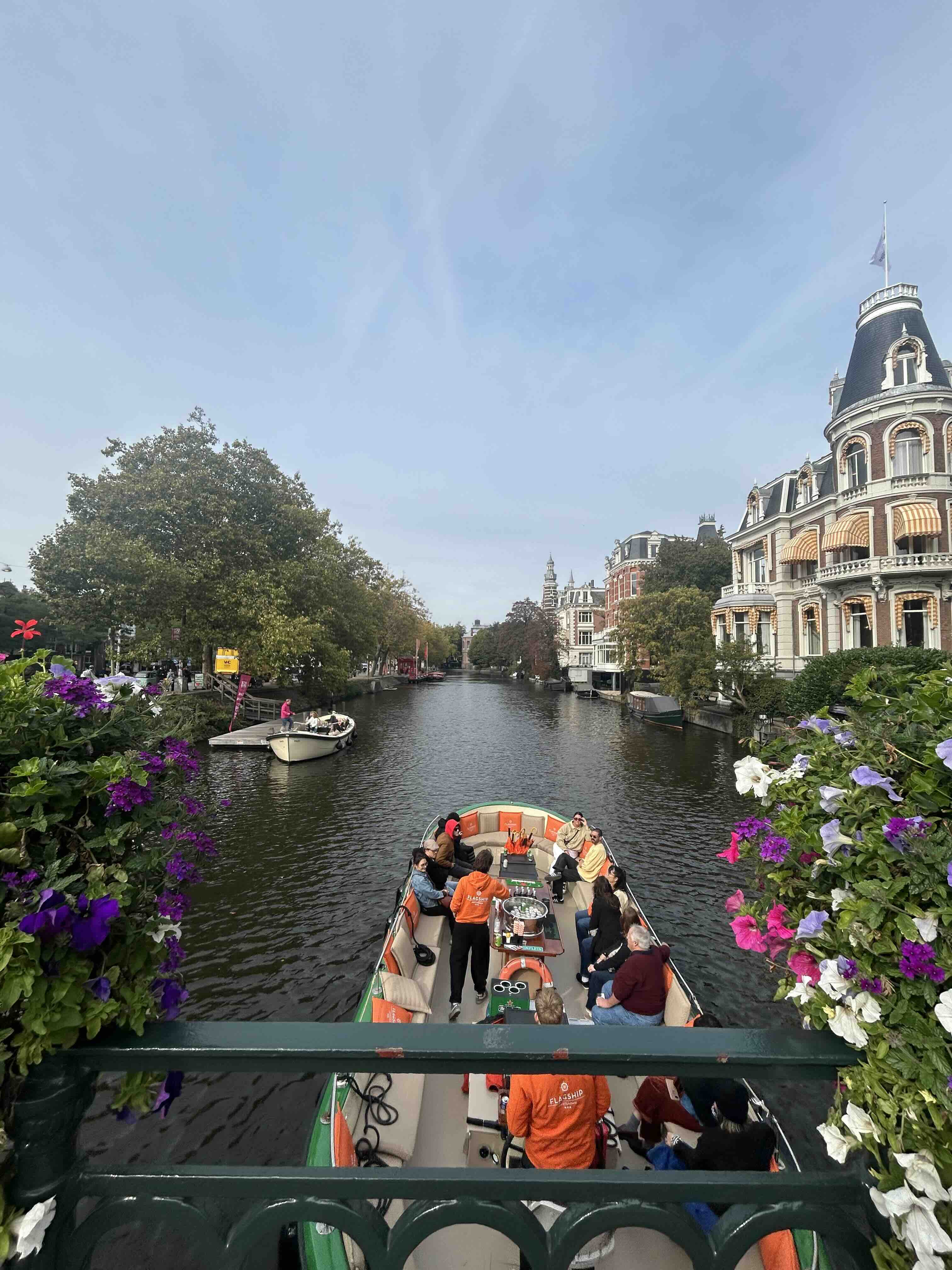
Romantic? Yes. Quaint? Definitely. But the canals were never built just for charm. They were Amsterdam’s original flood defence and trade arteries – a kind of watery moat system to protect the city when it was a bustling port. Today, you can cruise through history with a glass of wine and not a care in the world 🙂
Reflections
Trying to see all the waterworks would have been overkill. Though if you are keen, there are cycling routes connecting several Delta Works sites. (Because, of course, the Dutch found a way to make flood control into a scenic bike ride.) Public transport works too, but you will need time.
Where I live, natural disasters are rare enough that we tend to take stability for granted. But imagine living in a place where calamity is expected, and choosing to fight it, not flee. The Dutch did just that. Their dams, dykes, reclaimed land, and barriers come at immense cost, but one they are willing to bear because human lives matter more.
And yet, the environment thrives here. The Netherlands is the second-largest exporter of agricultural products in the world. Floating farms grow crisp vegetables; cheeses have near-religious status; wetlands have turned into thriving nature reserves. It’s proof that progress and sustainability can coexist, if you plan for it (and build really good dykes; there’s 17691 km of it all over the Netherlands! ).
As one saying goes: “God created the world, but the Dutch created the Netherlands.”
If You Are Curious
For an excellent crash course (Waterworks 101!), check out this 20-minute video. It’s totally worth your time.
Explore the Rijkswaterstaat website for in-depth information.
And this overview from Holland.com: LINK
The Afsluitdijk
 Kirana Bhat