Stones That Hold Memory
During the middle of COVID, when we were finally allowed out of our homes, my family drove to what I half-jokingly called the “monolith in my backyard.” I remember wondering why it had taken us so many years to visit, and thinking, almost guiltily, that we still hadn’t trekked up for the sunrise everyone spoke about.
And then we went to Meghalaya.
Roads of Stone and Trade
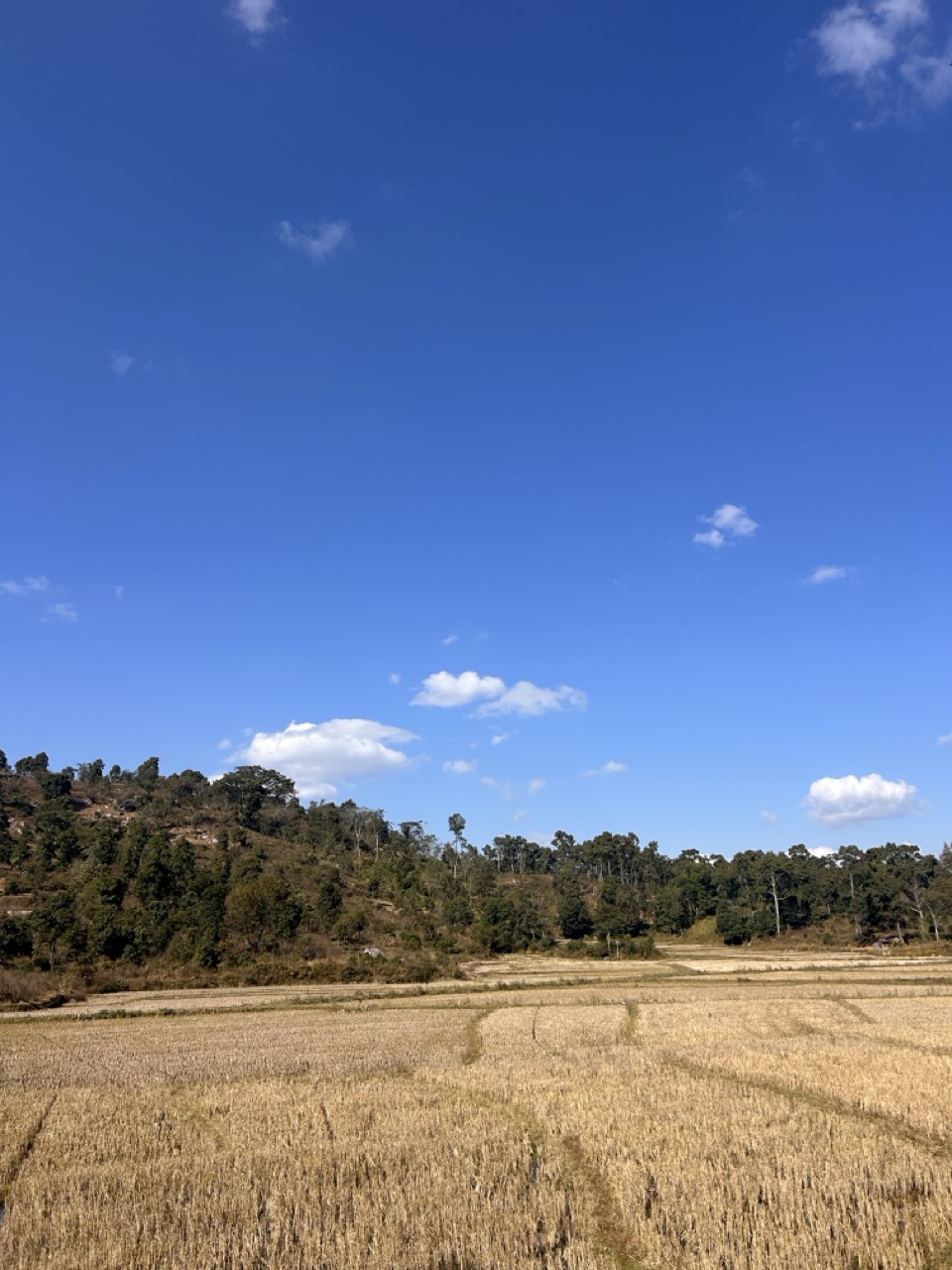
After basing ourselves in Sohra to visit the Double Decker Bridge and Shillong to see, among other things, the Mawphlang Sacred Forest, our exploration of Meghalaya took us to the Jaintia region. Jaintia is home to farms and fields, and beneath the surface lie rich limestone and coal deposits. Their abundance has given rise to both legal and illegal mining. Along the highway, abandoned limestone extractions appear as gaping cave mouths carved into the earth. Old, rickety trucks rumble past, carrying their loads, while village folk break down large stones by the roadside.
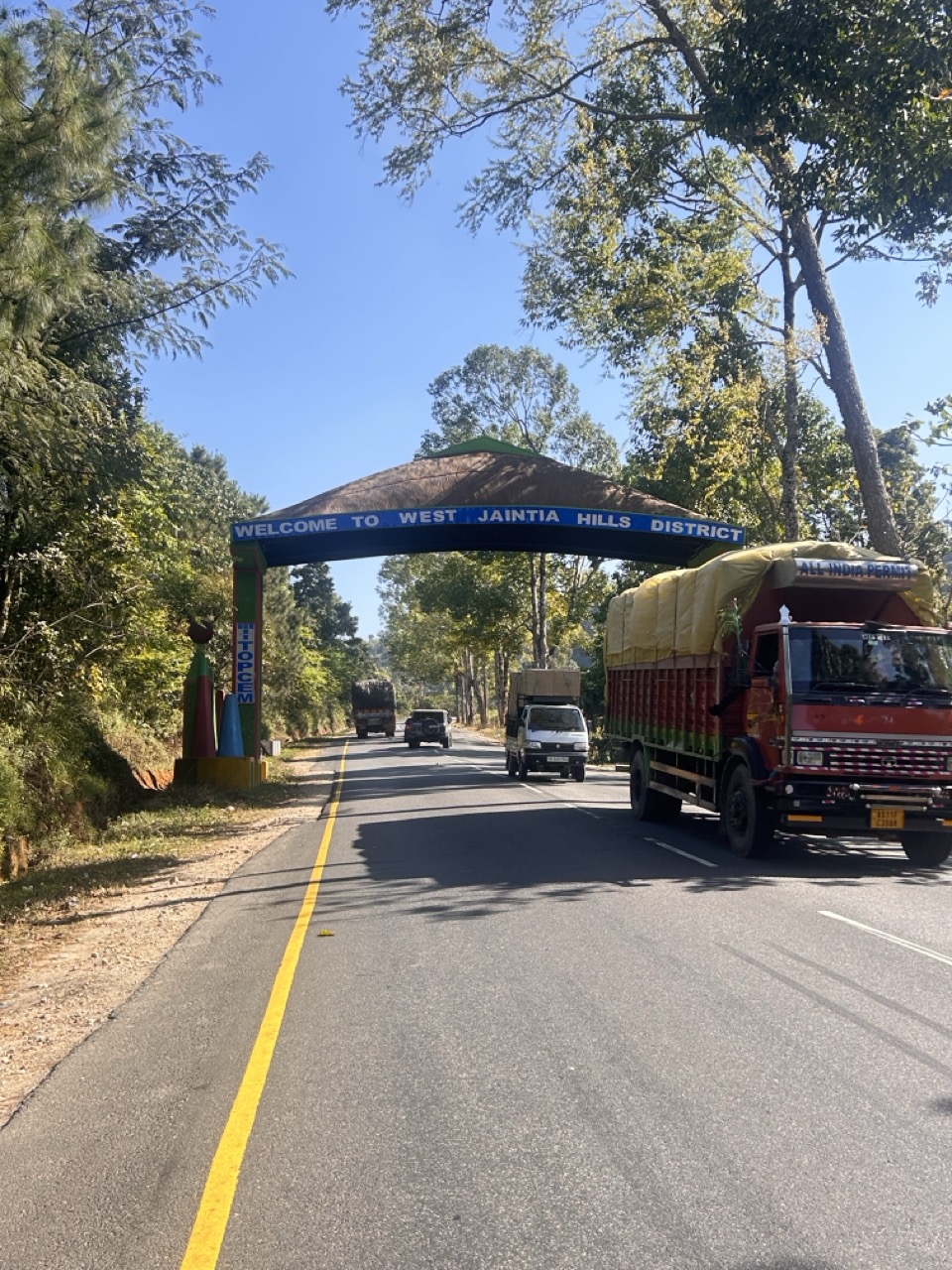
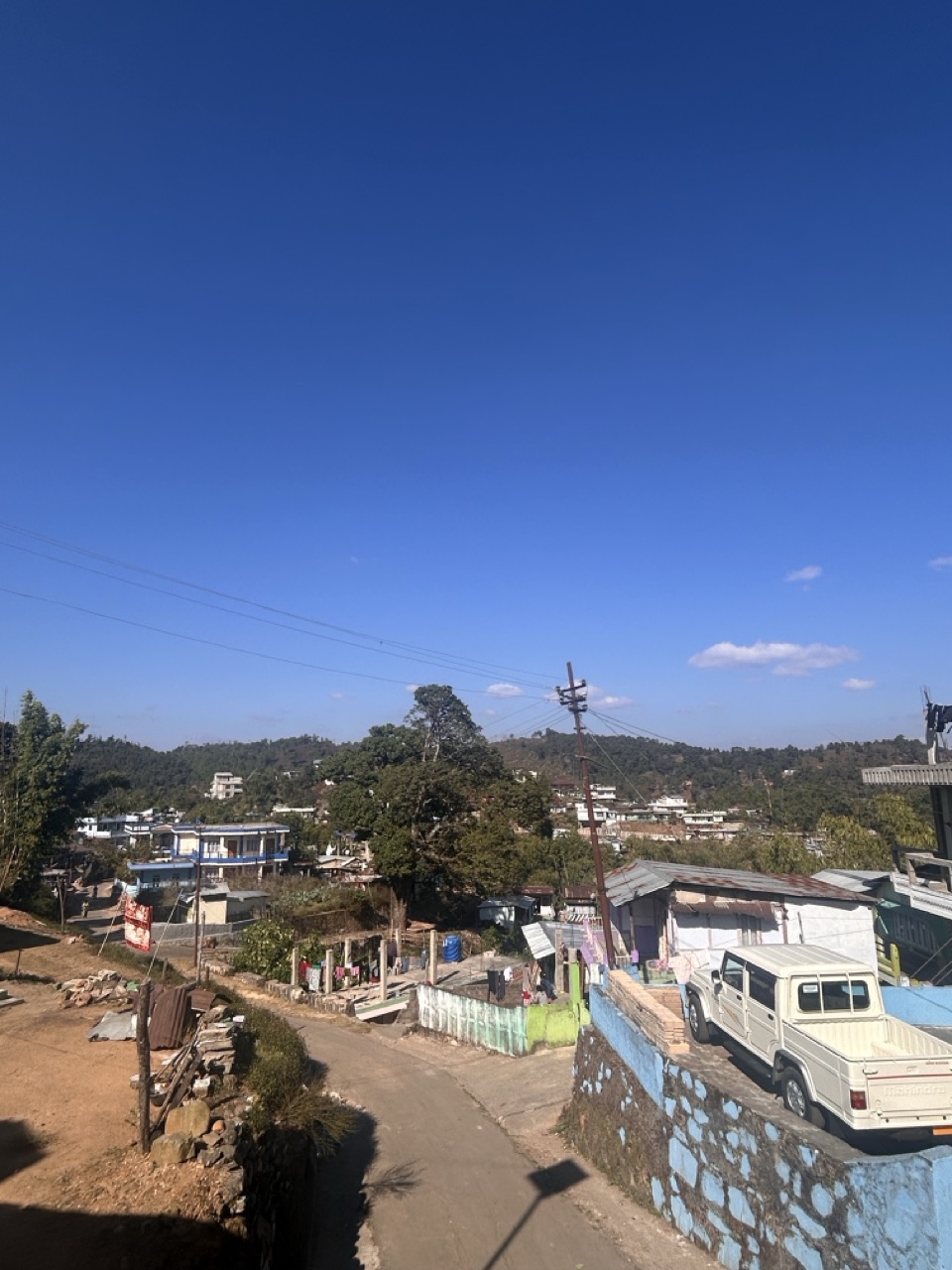
This extraction economy has likely made the region more prosperous than East Khasi and perhaps even parts of Garo Hills. Houses here are more solid (masonry and all, vs. tin/timber), with decorative trimmings (possibly a colonial inheritance) framing windows and doors. In Jowai, the district headquarters, the market was alive with activity. It was the Christmas season, a time for picnics. Those heading mostly to Dawki and Shnongpdeng or anywhere in the valleys or riverbanks stopped here to stock up on meat and groceries for barbecue picnics.
Nartiang: A Quiet Crossroads
Nartiang, a small village in the West Jaintia Hills about 60 kilometres from Shillong and 26km from Jowai, is known for two things, though neither seems firmly anchored on the tourist circuit, judging by the sparse crowds when we visited.
The Durga Temple
The first is the Durga Temple, one of the 51 Shakti Peethas, where the goddess is worshipped as Jainteshwari or Jayanthi. This form of the deity emerged from an overlap between indigenous beliefs and Hindu practices, especially as Jaintia tribal kings married women from Hindu kingdoms or high-caste Hindu families. The nearly 600-year-old temple was likely modest in its original form. A plaque notes its reconstruction by the Ramakrishna Mission in 1987, perhaps subtly recasting it as more Hindu than it once was.
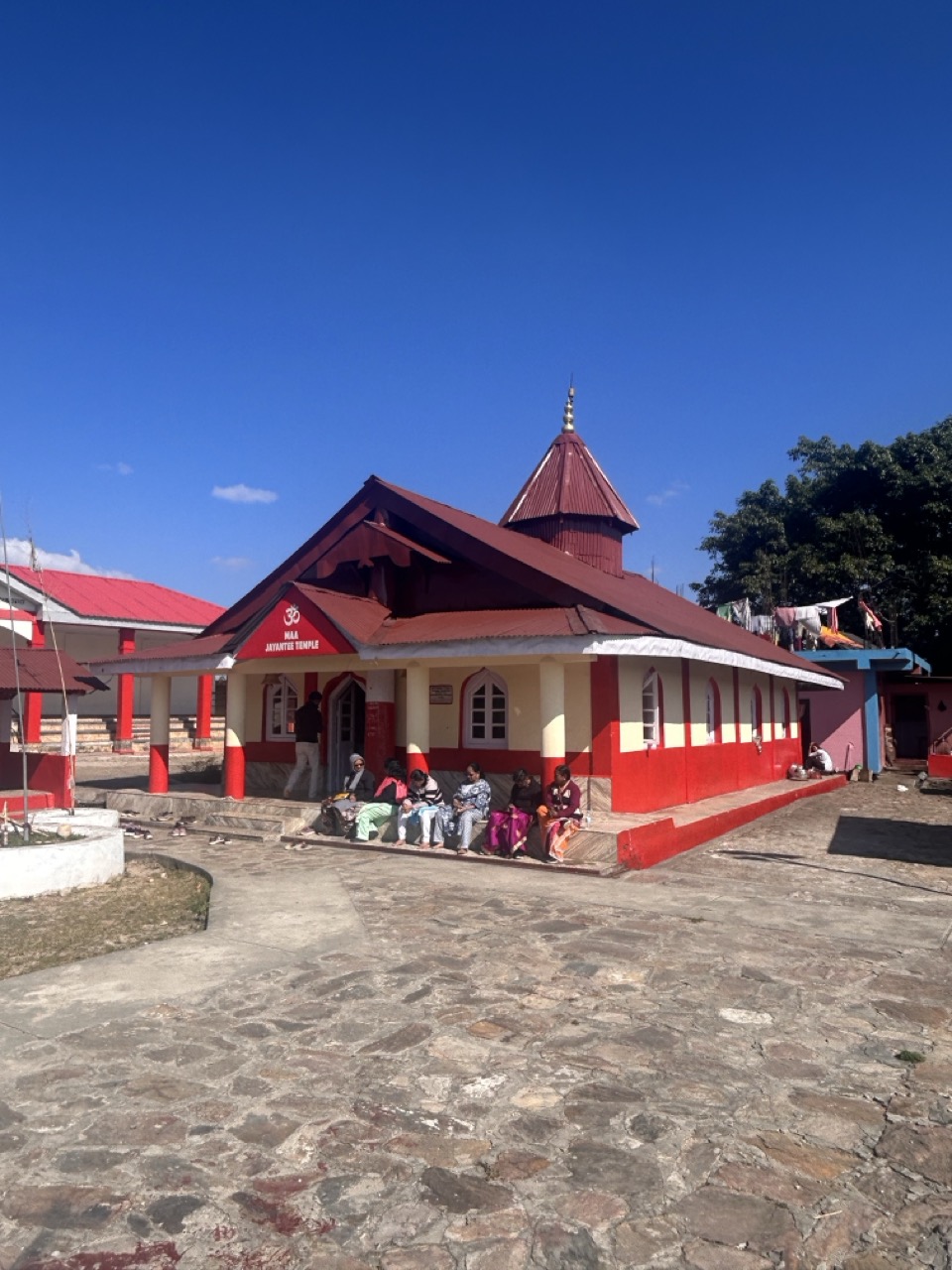
The temple remains simple a small shrine under a white canopy. The main deity sits on a pedestal, surrounded by miniature versions of herself draped in red cloth, adorned with brass prabhavalis (frames that surround the idol) and flowers.
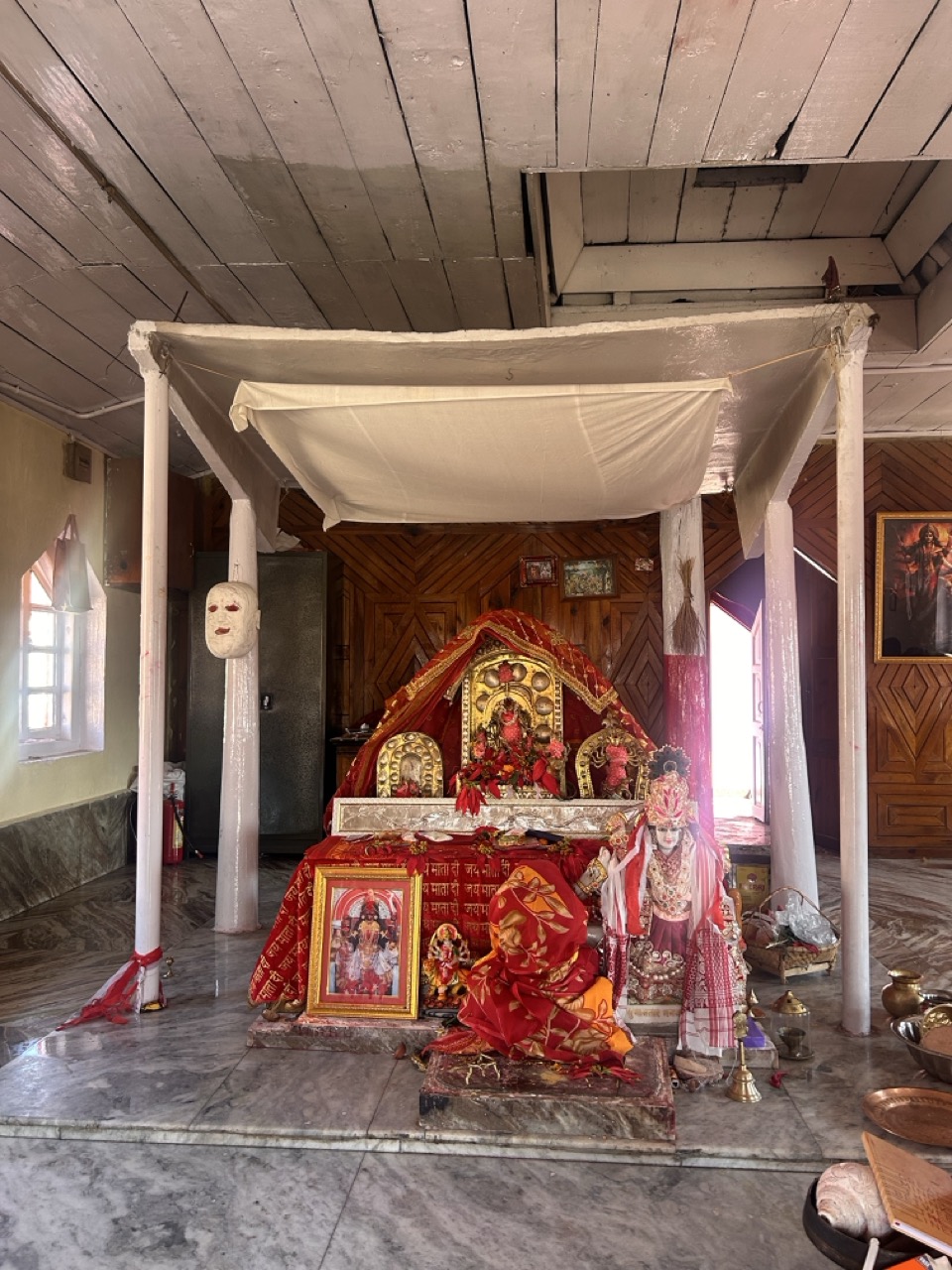
The Jaintia kings practised human sacrifice until British annexation and rule brought an end to it. This temple was no exception. There is a low, raised platform in front of the deity, covered with a stone slab thick with ash from burning incense sticks. Beneath it is a hole, once leading to a tunnel through which severed heads rolled down to a nearby river. Today, a black goat is sacrificed instead, dressed like a human in a white dhoti and a human mask. The mask is tied to one of the poles that holds the canopy above the shrine. You can spot the mask in the background in the pics above and below.
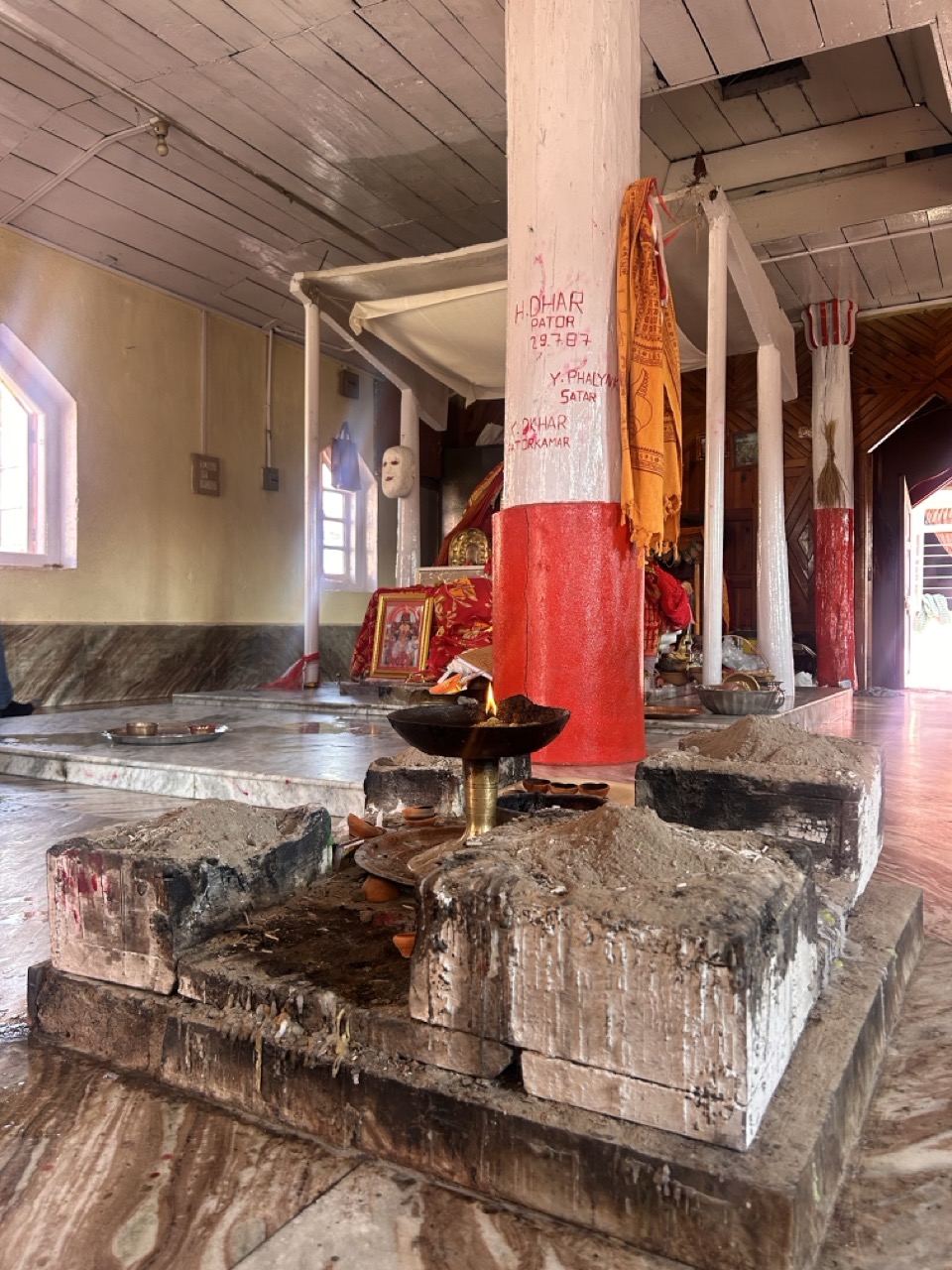
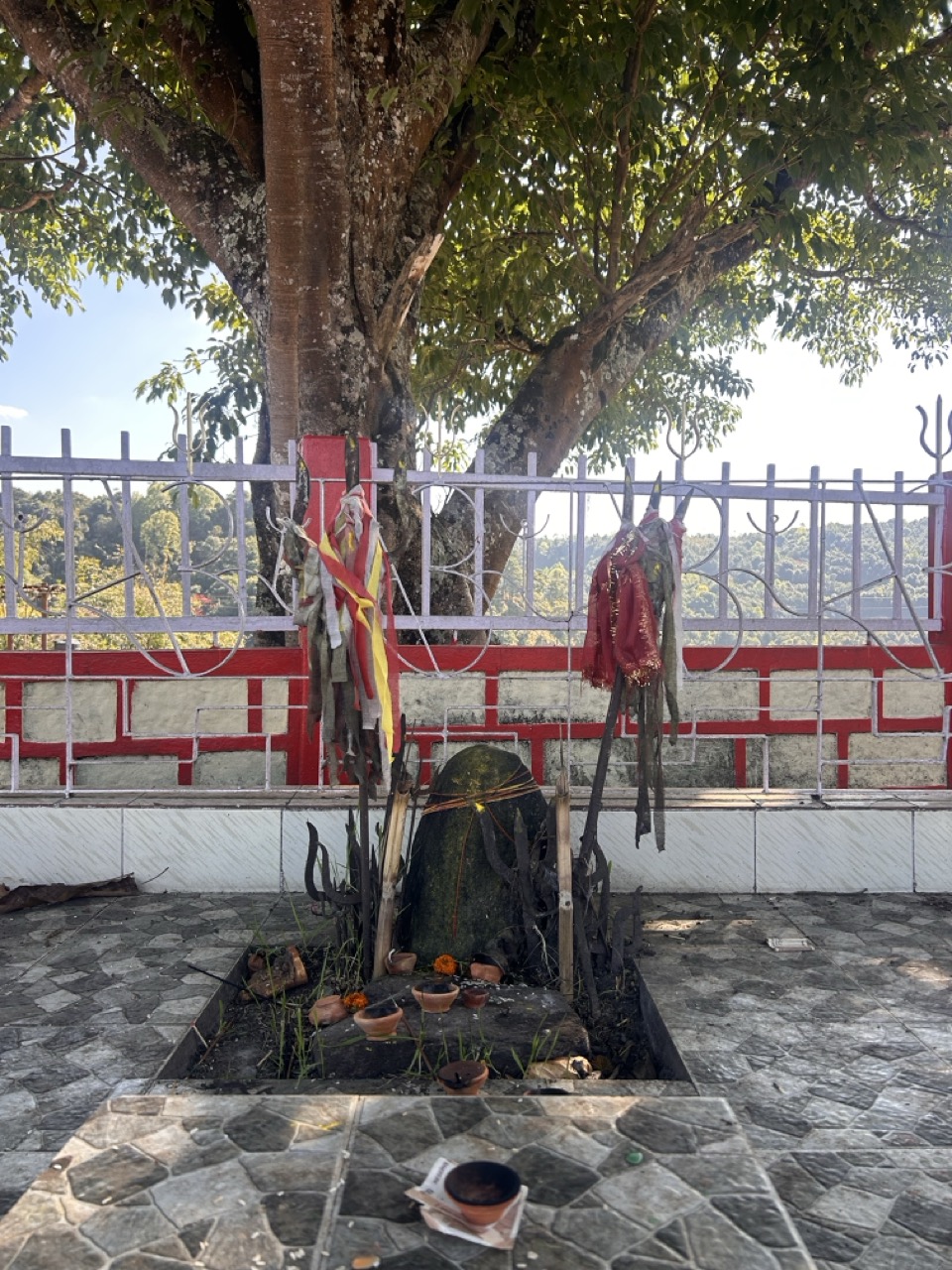
Outside the entrance is a circular space with bamboo contraptions whose purpose is unclear. Menhirs stand close to the gateway, impossible to miss. Behind the temple lie more menhirs and dolmens, some incongruously painted white. One particular menhir–dolmen pair sits inside a tiled enclosure, ringed with tridents (trishuls), as if newly elevated in status. The rituals here remain a blend of Khasi and Hindu practices much like the Jaintia kings themselves, who adopted Hindu rites beyond temple worship.
The Monolith Garden
The second site in Nartiang is the monolith garden – U Mawthaw du briew.
Monoliths can refer to various things, including volcanic plugs, massive rocks, man-made obelisks, or even unified software codebases in computing. We are talking about massive rocks, and from time immemorial, natural geological wonders have been venerated as repositories of power. They have marked cultures, commemorated events and deaths, and stood in for divine forces long before history learned to write itself down.
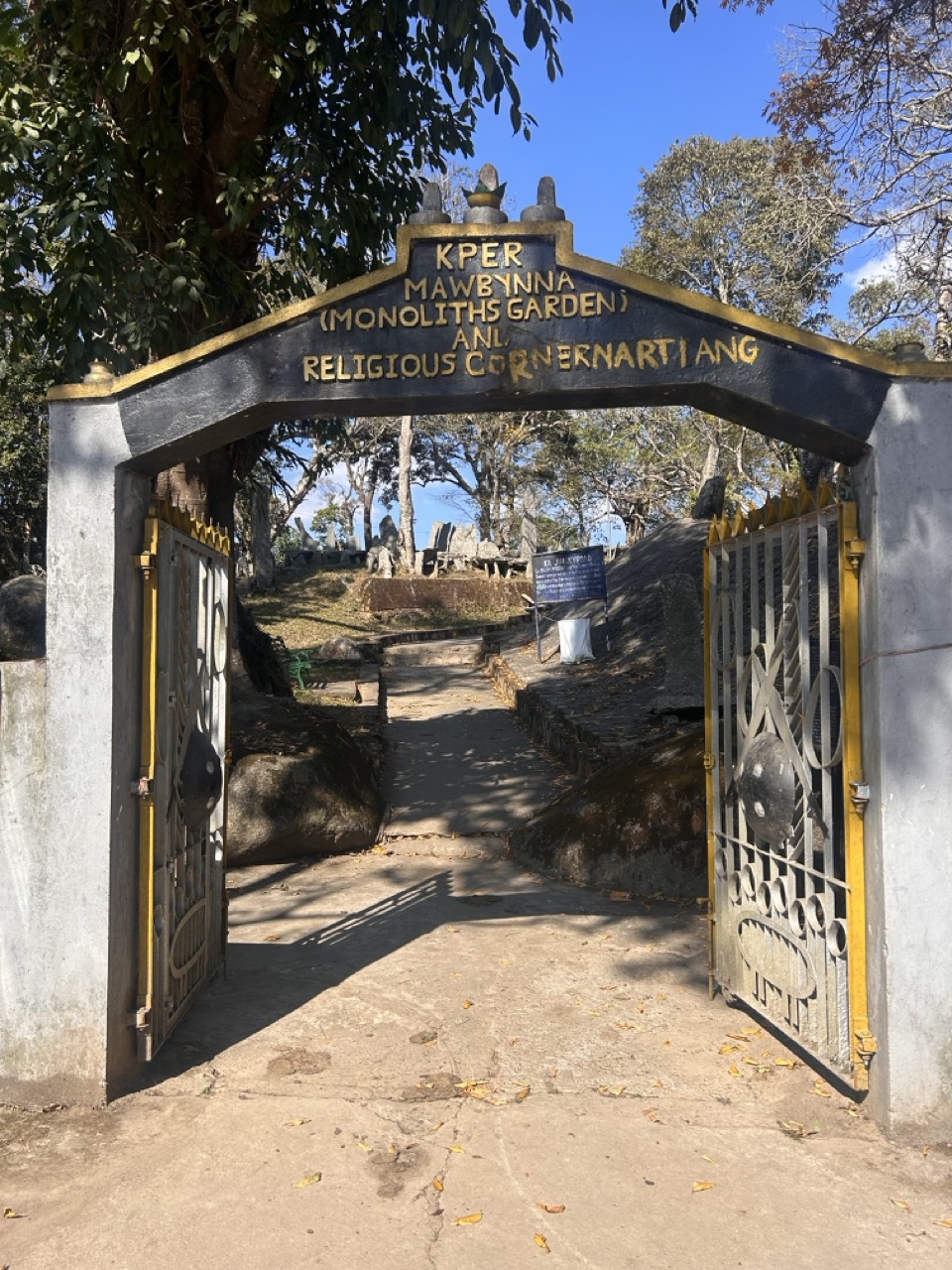
Monoliths are scattered across Meghalaya. What is striking in Nartiang is the sheer density of stones, hundreds of monoliths in one place, possibly among the largest such concentrations in the world. Monoliths are raised for many reasons – to honour ancestors, memorialise the dead, commemorate coronations or victories, and record significant events.
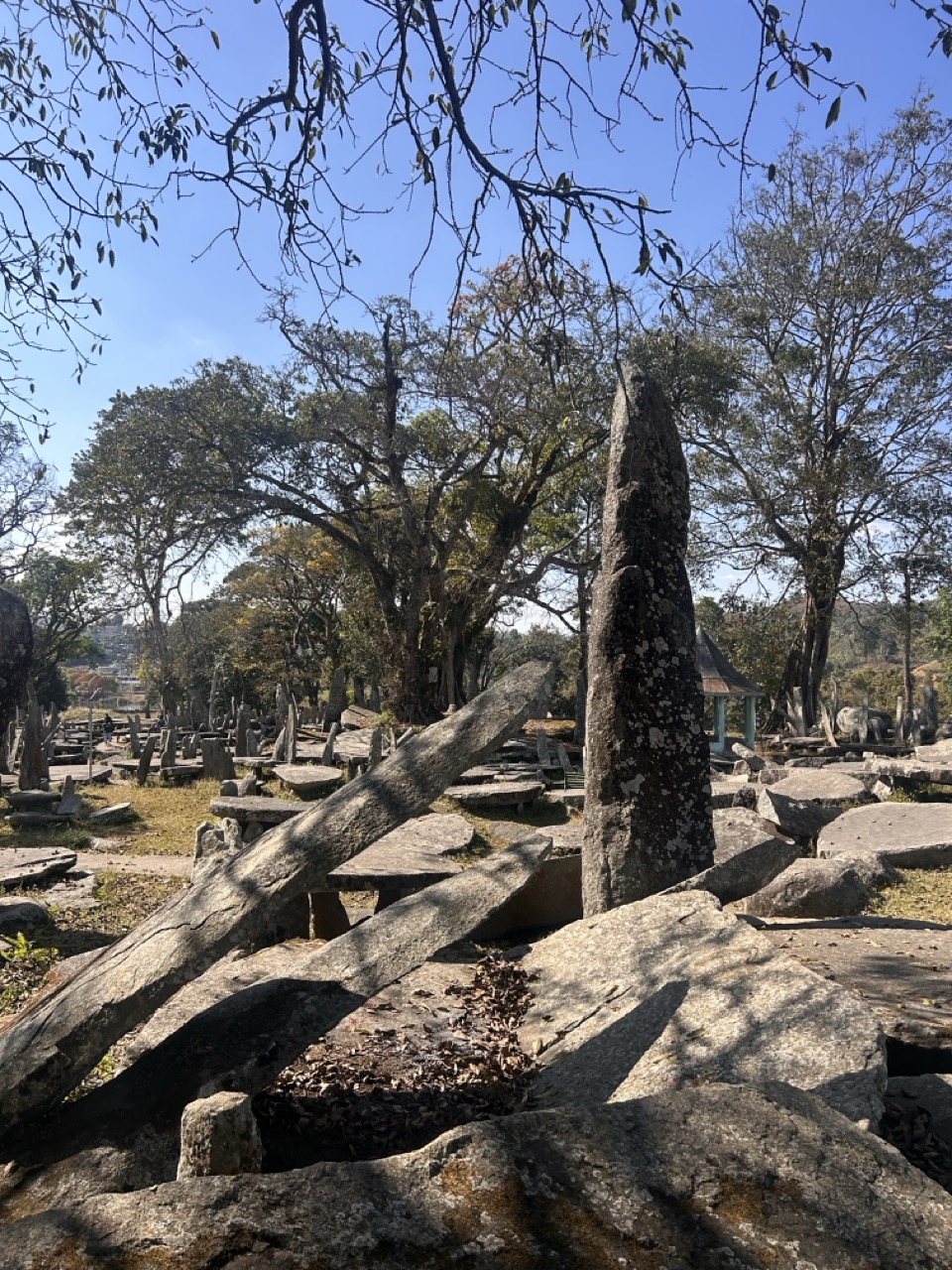
Local lore credits U Mar Phalyngki with erecting the monoliths at Nartiang, supposedly to commemorate events associated with the Jaintia kings. It is unlikely, however, that all these events occurred within his lifetime. There are no clear records of him, nor of whether the stones were raised retrospectively for past events or only those of his time.
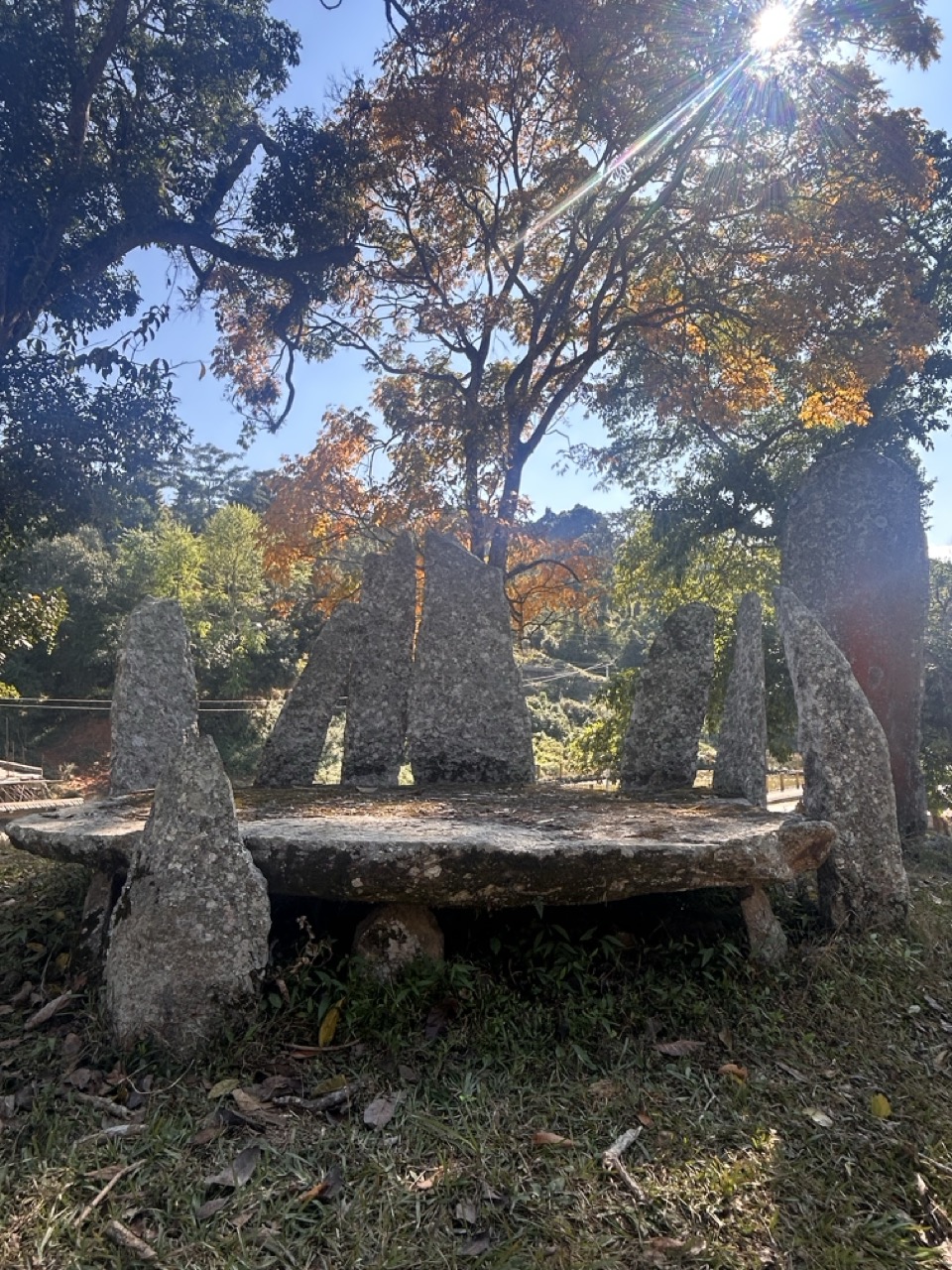
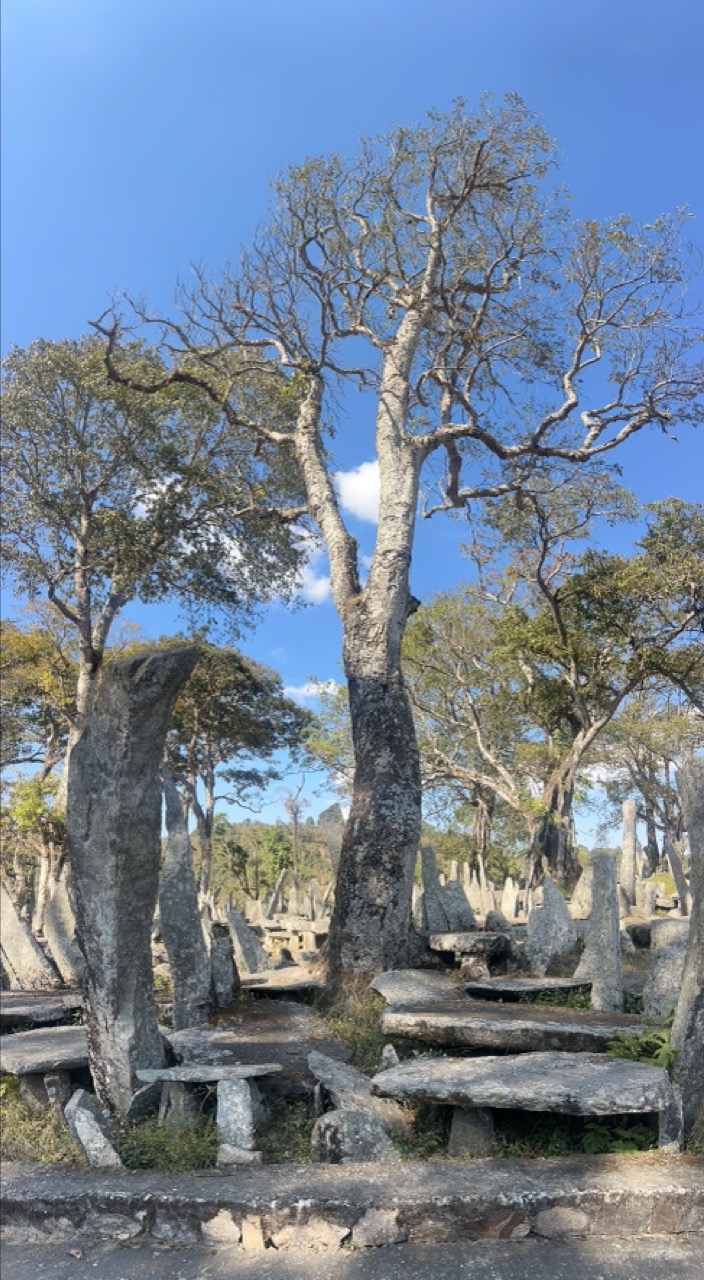
The site is crowded with menhirs, upright male stones (Ki Moo Shynrang), and dolmens, flat, horizontal female stones (Ki Moo Kynthai). Menhirs are usually found singly or in groups of three, five, or seven. Some cluster so closely with dolmens that the eye reads them as a single unit. I couldn’t tell whether the trees in the grove were older than the stones or the other way around! A few monoliths have tilted or fallen over, likely from neglect.
A Man of Stone and Story
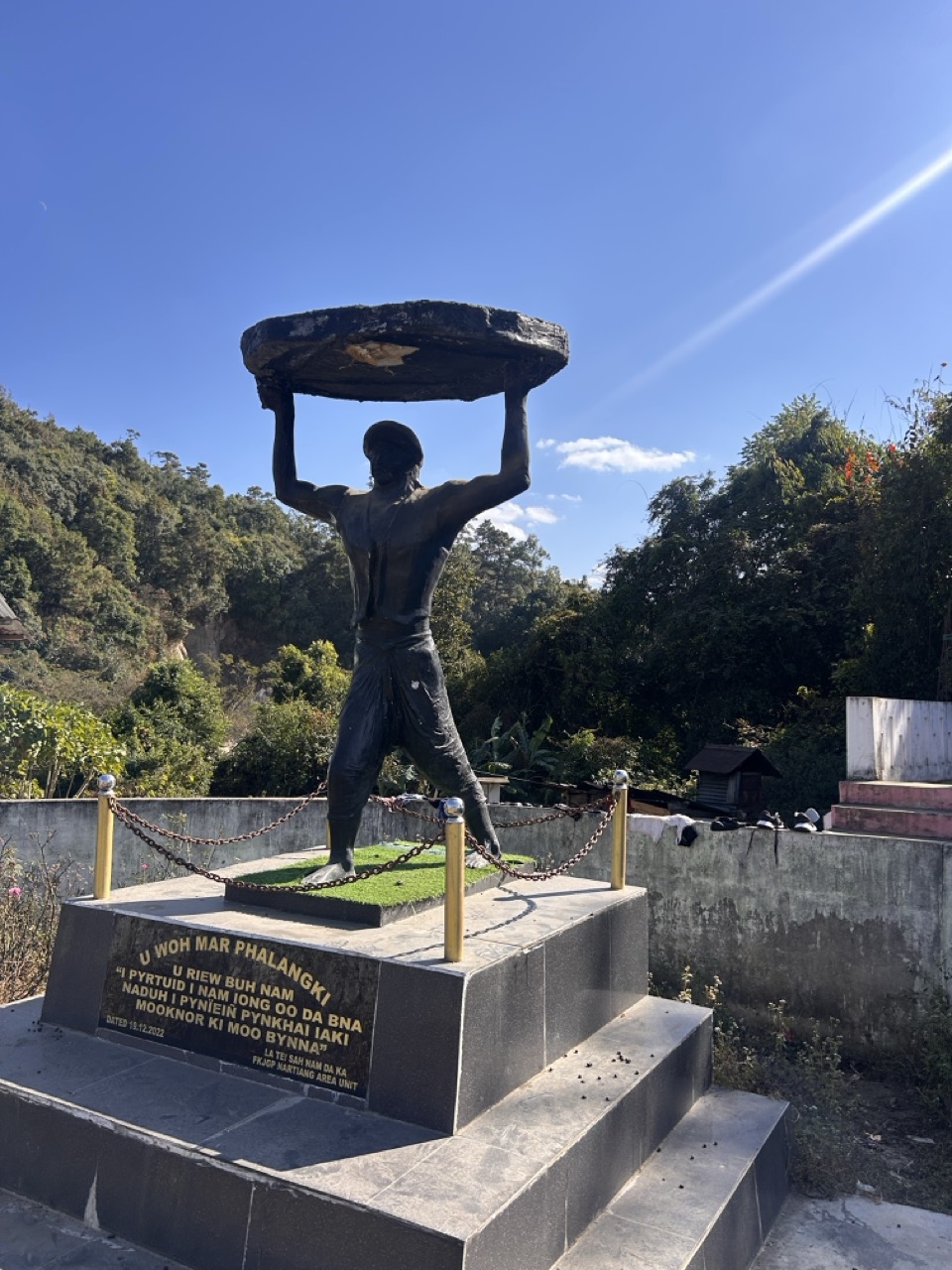
A short distance away stands a modern memorial to U Mar Phalyngki, a statue of him carrying a stone slab. Stories of his strength and cunning abound. In one, a Jaintia king’s sister challenges him to use a slab of stone as an umbrella to protect himself from the rain, and he does. In another, he tricks a man into becoming a sacrificial scapegoat by tossing a gold betel nut box into a pit and sealing it with a monolith as the man jumps in to retrieve it. There are many versions of these tales, none supported by evidence. Still, they lend U Mar Phalyngki an enduring aura of strength, mystery, and enigmatic qualities that seem fitting in a landscape where stones continue to speak.
Long after we left Nartiang, it wasn’t the temple or the stories that stayed with me, but the stones themselves, some upright, some leaning, some fallen, all unhurried. I couldn’t tell where history ended and myth began, or whether the trees had grown around the monoliths or the monoliths had claimed the forest. Perhaps that uncertainty is the point.
 Kirana Bhat