Must-Dos, Offbeat Finds, and Everything In-Between
Our trips are usually a curated mix of a few must-dos (they still have to appeal to us) and a handful of offbeat discoveries. Take Nartiang, for instance. Not many people know of it, let alone what it holds. Then there are the caves and the living root bridges, which sit somewhere between a must-do and offbeat, perhaps an offbeat must-do. And then there’s the Umngot River (commonly known as Dawki River), firmly a must-do, which we willingly added to our own to-do list and set out. Umngot passes through the popular villages of Shnongpdeng and Dawki.

The Road to Shnongpdeng
After stopping at Nartiang and visiting the Durga Temple and the Monoliths Garden, we headed to Shnongpdeng for the night. I did not want Shnongpdeng on our list; Dawki was only what I wished to visit. Shnongpdeng was there only on the insistence of our local travel coordinator. The last stretch of the road, about five kilometres, was rough, making me rethink my decision to add this stop. Our driver said it used to be worse, but thanks to ongoing road-laying (which we also witnessed), we were spared a longer, more back-breaking journey. This stretch was also the narrowest road we encountered in Meghalaya so far. Still, we made it just in time, as dusk slowly gave way to a star-filled sky.
Dusk by the River
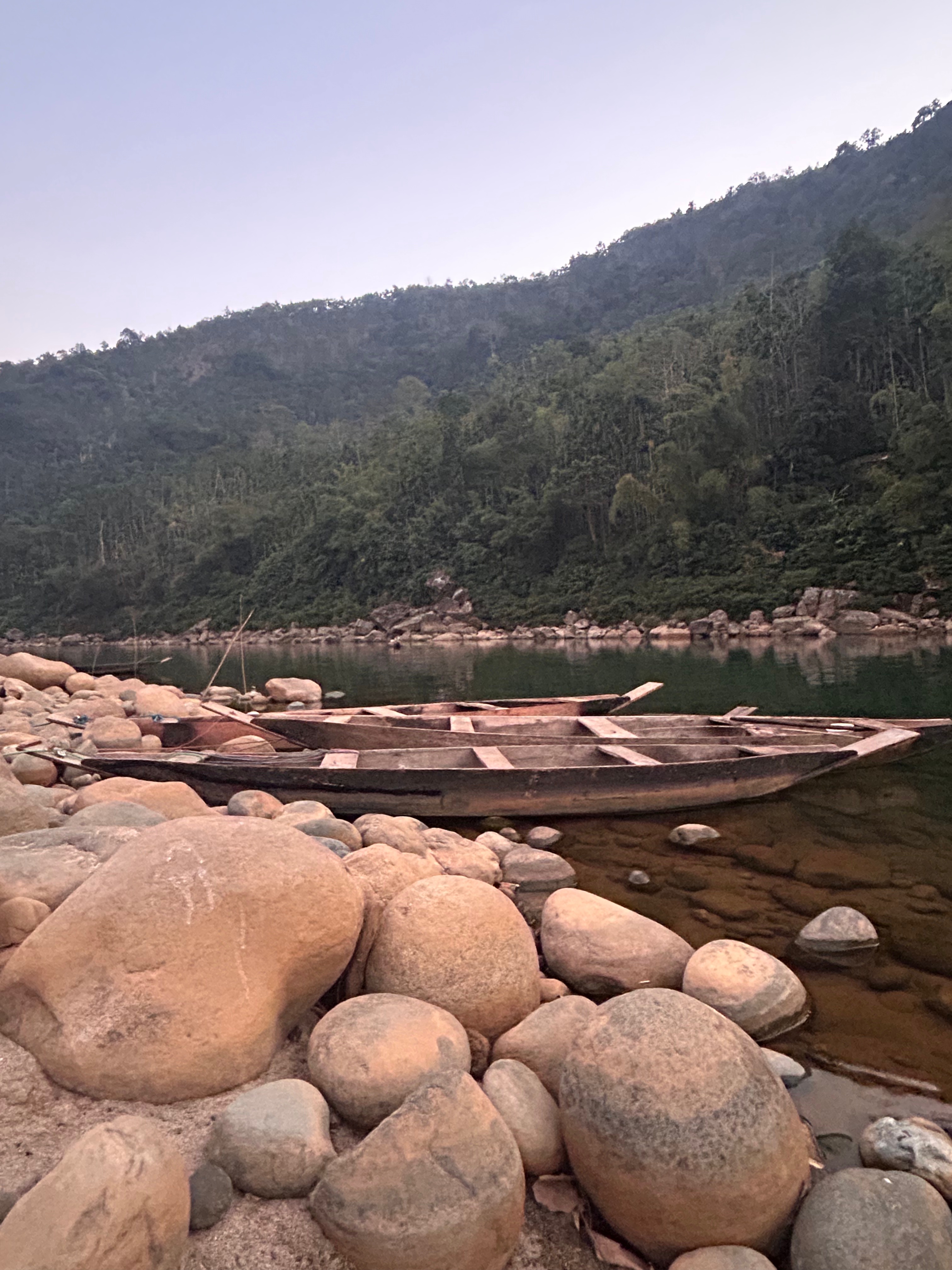
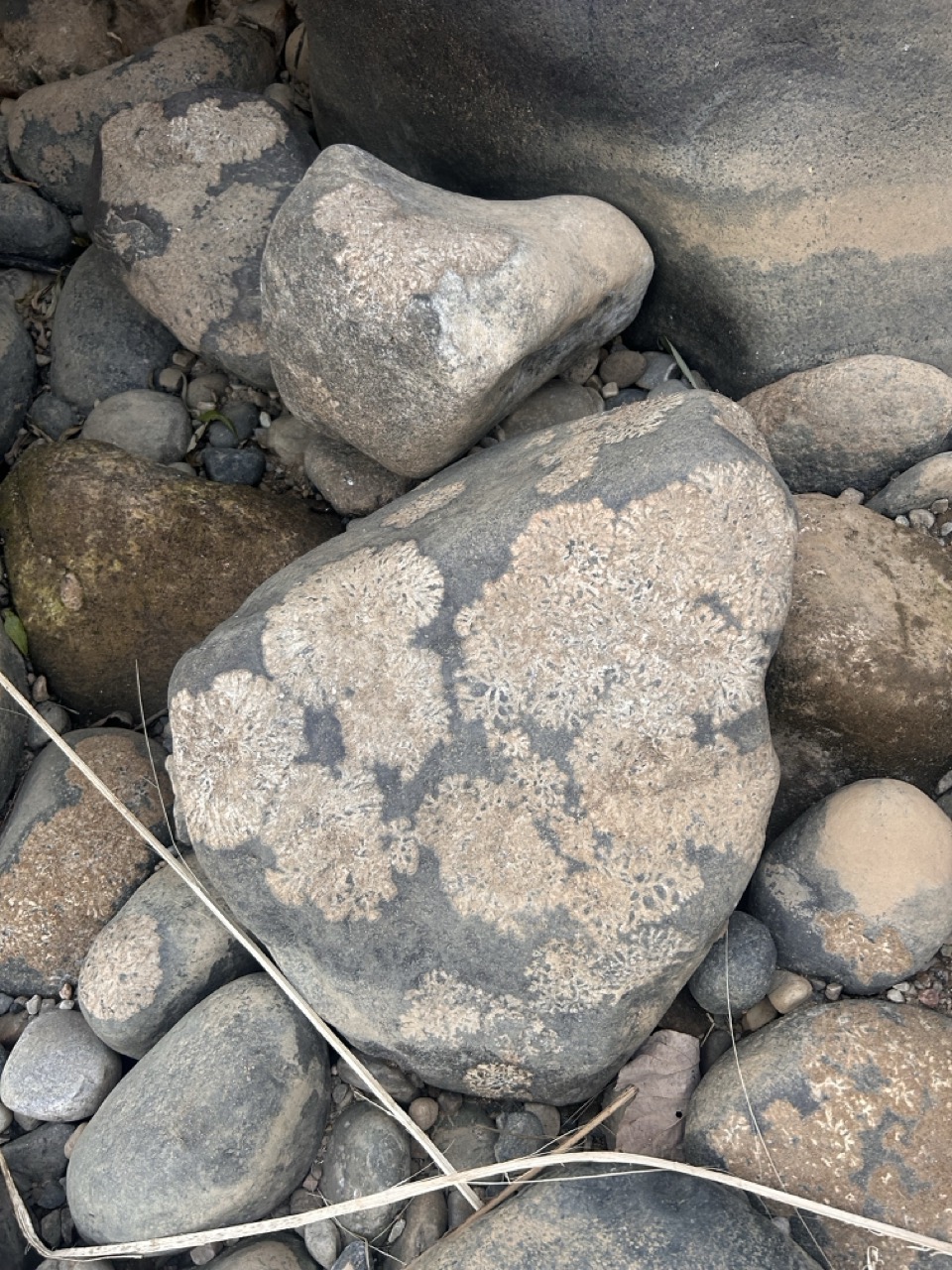
We settled in and immediately walked down to the Umngot River. In winter, the riverbed reveals itself in many places, and tent accommodations are pitched right on it. From our stay, we spotted a small river beach and decided to explore before darkness fully settled in. This involved crossing a rickety-looking colourful bamboo bridge (for which we had to pay!) and walking over beautifully rounded rocks and pebbles.
The sky changed colours faster than I could keep track of the shades! The water was a regal emerald green; boats lay anchored, their day of fishing and river rides done. It felt like stepping into a painting, validating the decision to visit.
Campfire Conversations and Border Stories
We struck up a conversation with a group of friends from Shillong who were in Shnongpdeng for their Christmas break. Sitting around their campfire as they barbecued dinner, they spoke of their Bangalore connections and of life near the India-Bangladesh border; how families on either side still remain connected, attending weddings, visiting one another, relationships intact despite lines on a map.
Morning Views and Giving In to the Boat Ride
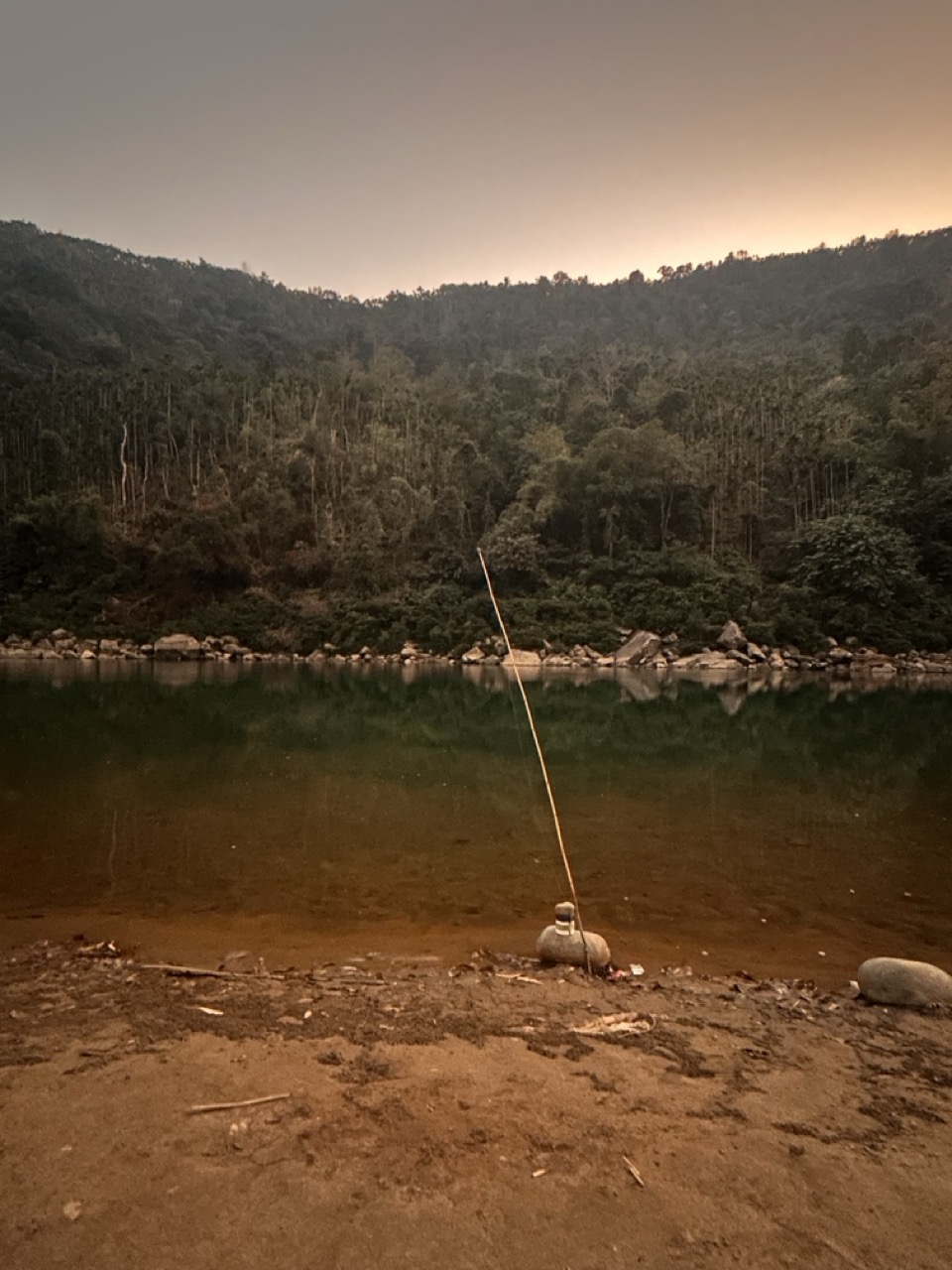
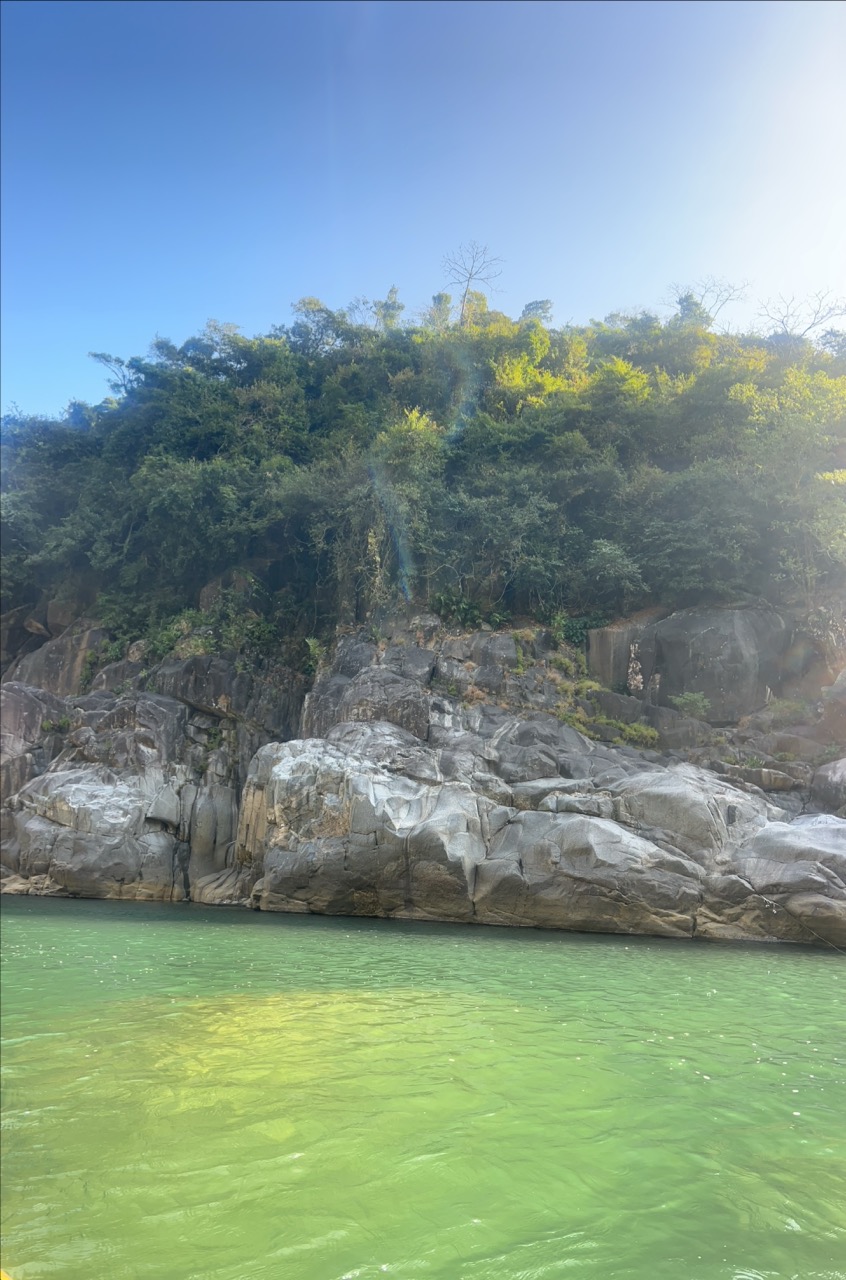
The next morning, we walked slowly across the steel bridge connecting the two banks of the river, taking in the views of the distant hills, endless arecanut plantations, and the blue-green river meandering its way to Dawki village and onward into Bangladesh. While we are not usually fans of boat rides, we gave in. The hour-long ride offered an entirely different perspective. As we moved away from the campsite, the landscape shifted to boulder-strewn hills crowned with forests.
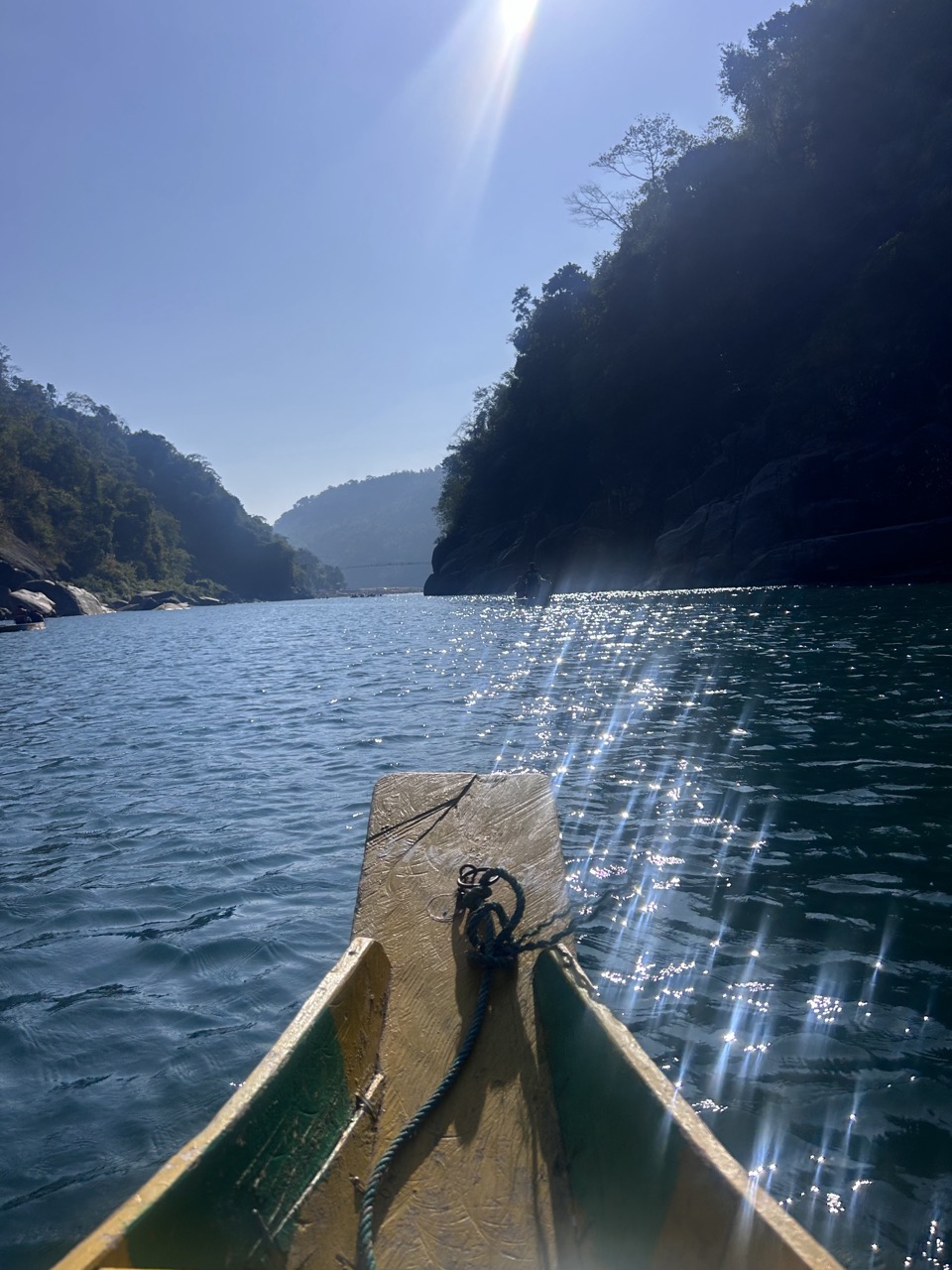
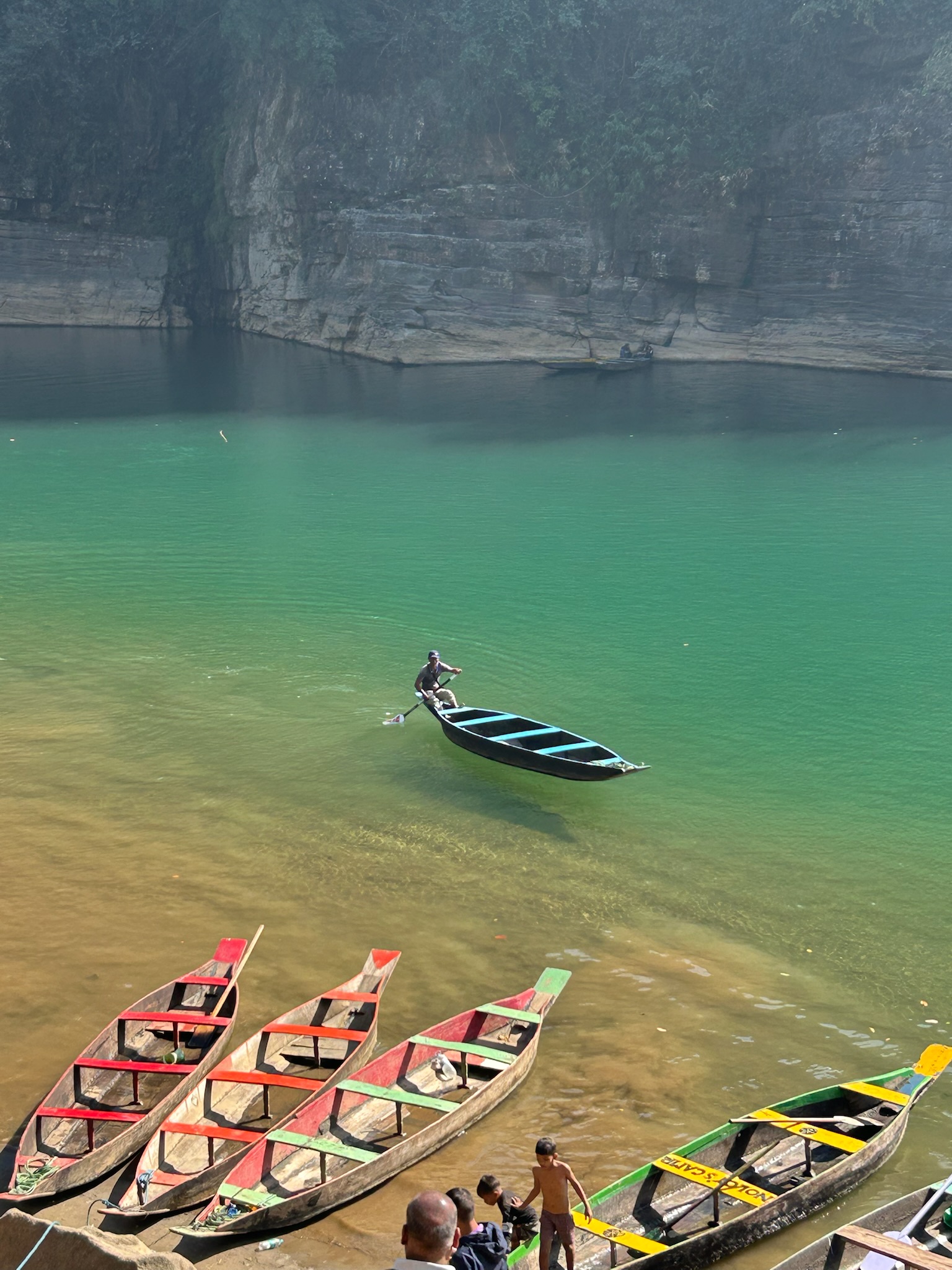
We then made our way to Dawki, the town that lends its better-known name to the river, Umngot. Umngot is famed for its crystal-clear waters, where boats appear to float. Since we had not quite seen this phenomenon in Shnongpdeng, we pinned our hopes on Dawki.
Dawki, the River, and a Very Determined Driver
But first, our driver had an important detour planned. Ever since picking us up from the airport 6 days earlier, he had been determined to show us Bangladesh. He never missed an opportunity as we drove from one place to another – slowing down, rolling the window down, and announcing, “Sir/Madam, woh, uss taraf, woh sab Bangladesh hain.” (Sir/Madam, that, on that side, all that is Bangladesh). So this was his moment. When he stopped abruptly at a check post, it took us a second to realise we were at the Dawki-Tamabil land crossing between India and Bangladesh.
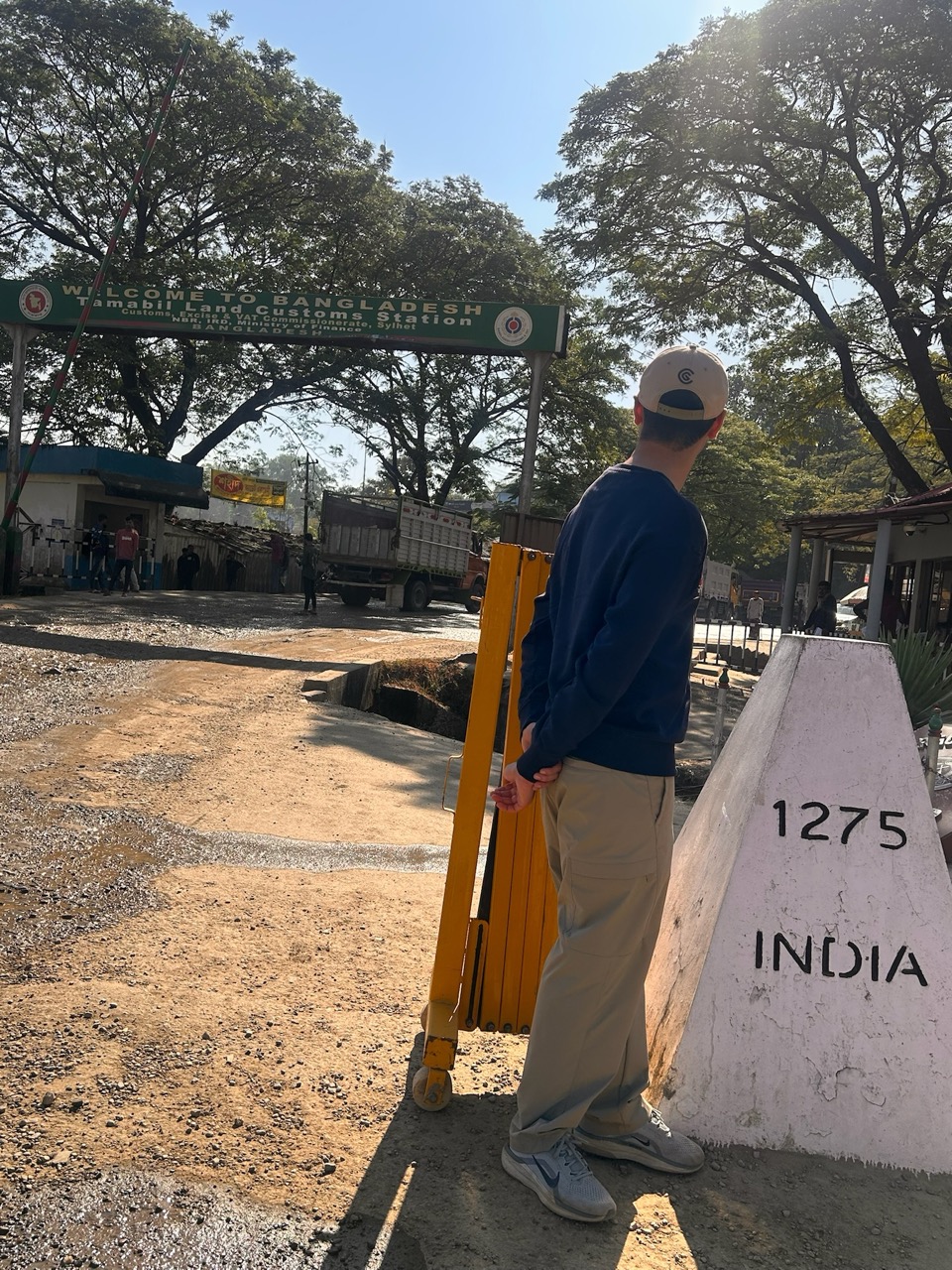
This border sees both people and goods cross (mostly coal and limestone) and is one of five border crossings in Meghalaya, the others largely in West Bengal. We took the customary photos, and just as we were leaving, our driver pointed out two women, noting they had likely crossed over from Bangladesh (he could tell by their clothing), possibly to sell/barter goods.

When a Must-Do Gets Crowded
Dawki, however, is THE tourist spot. Before we knew it, we were ushered to a ticket counter and seated in boats. The waters, a rich, luminous shade of jade, were not as crystal clear as we had hoped, thanks to debris from a new bridge under construction. Our boat did not quite appear to float, but we did spot a few that did, and in some stretches, the riverbed a few feet below was clearly visible. Our driver told us that the pebbles and the small boulders beneath us are often smuggled by boat to Bangladesh for “construction purposes,” quietly revealing the economic realities of the region.
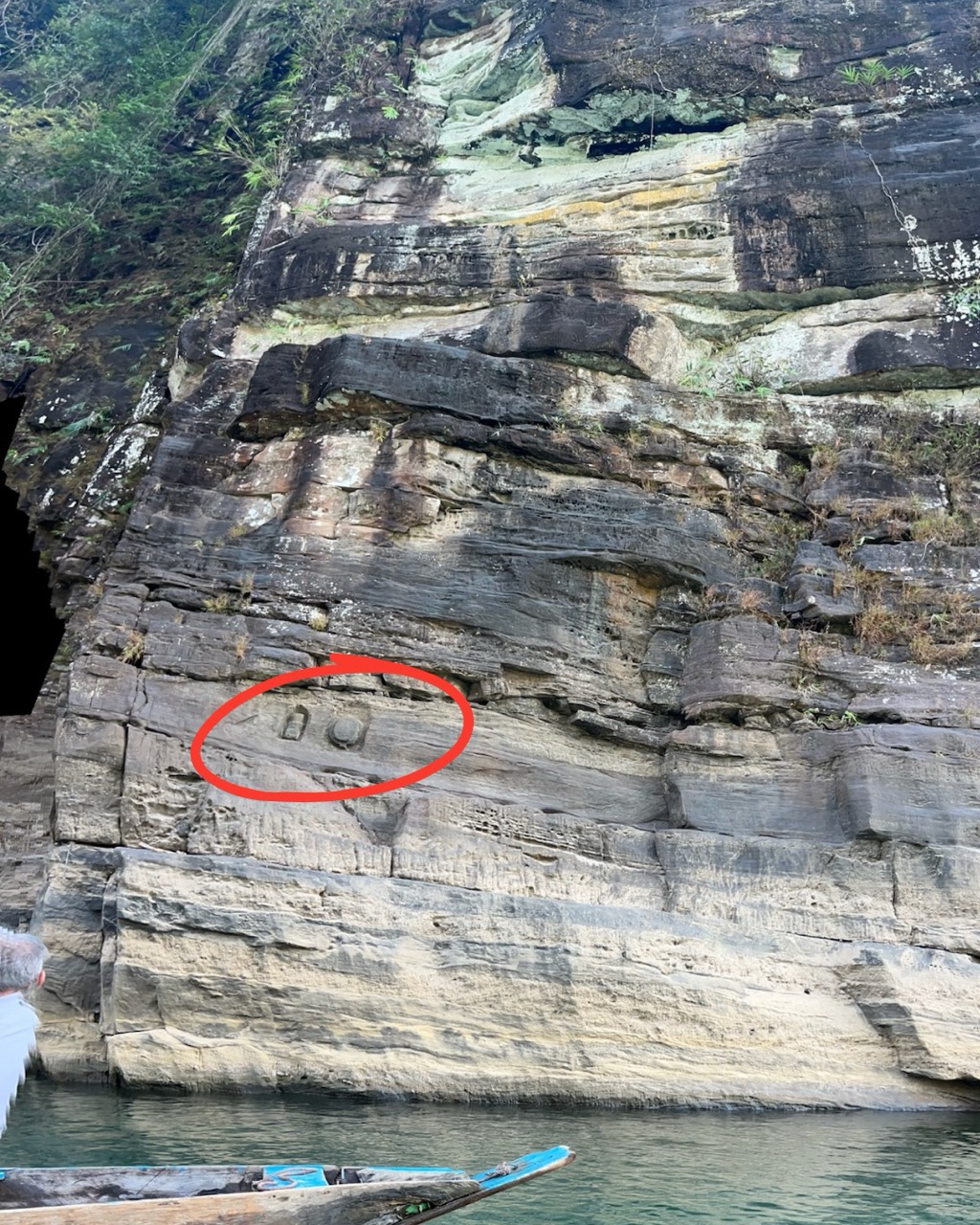
A steel bridge built by the British spans the river, and according to our boatman, the sculptures on the rock face commemorate its construction (see pic below).
Borders, Bridges, and Floating Boats
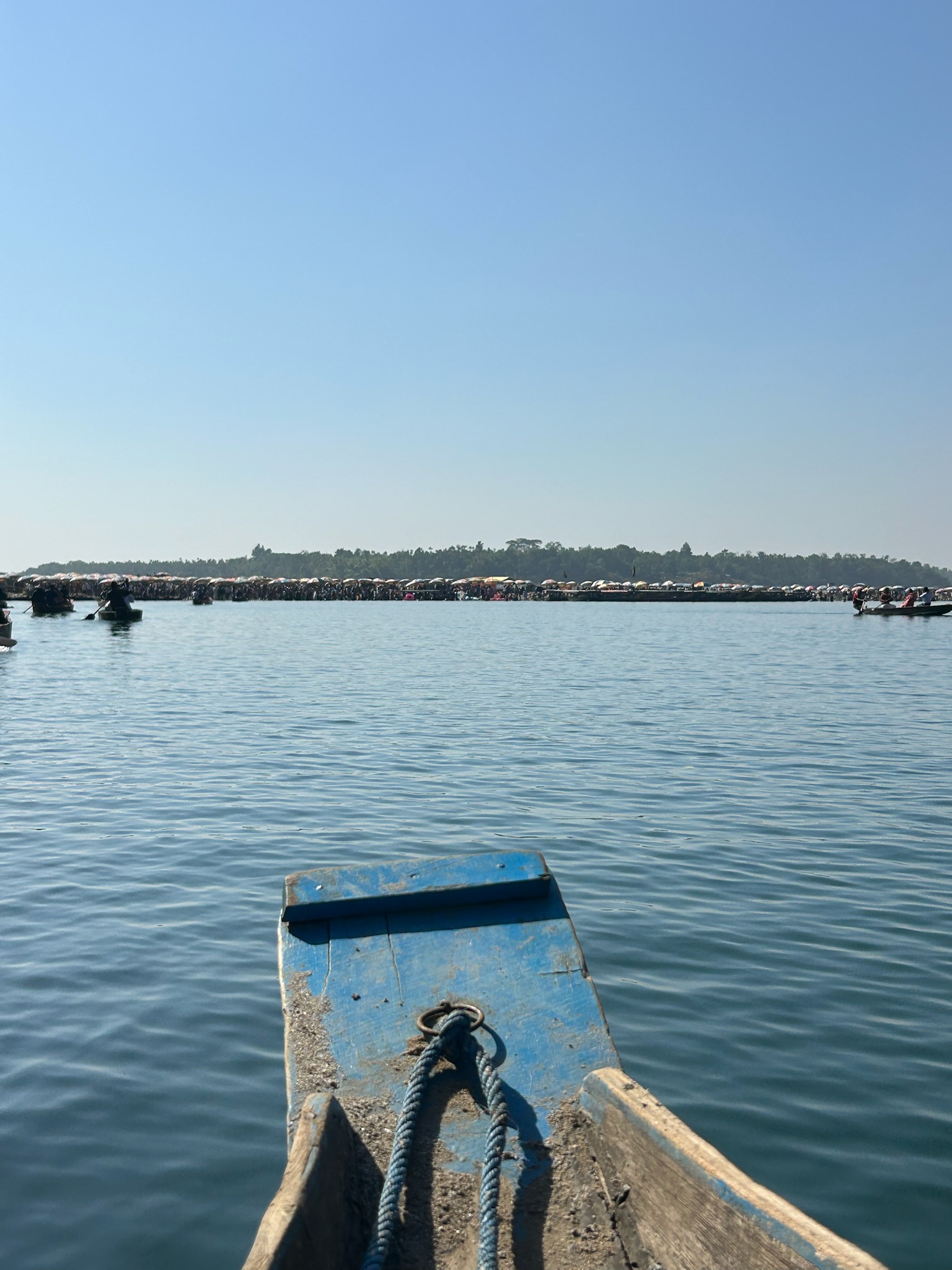
The river border itself was fascinating. We were told by our driver that there is a rope demarcating the boundary, though we did not see one. Open Google Maps, and you will realise just how close to the border you are! On the other side, the river is equally popular with tourists; crowds gathered, their collective chatter buzzing through the air.
Onward to Shillong
All in all, it was a memorable experience layered with beauty, stories, and unexpected insights. This stretch of our Meghalaya journey reminded us why we travel the way we do, balancing the well-known with the quietly extraordinary. It was about slowing down and letting places reveal themselves, one winding road and changing sky at a time.
 Kirana Bhat