If you follow my posts, or linger here for a bit longer, you will realise that this is the first time ever that I am writing about a human.
Eugène Viollet-le-Duc (1814–1879) somehow caught my fascination.
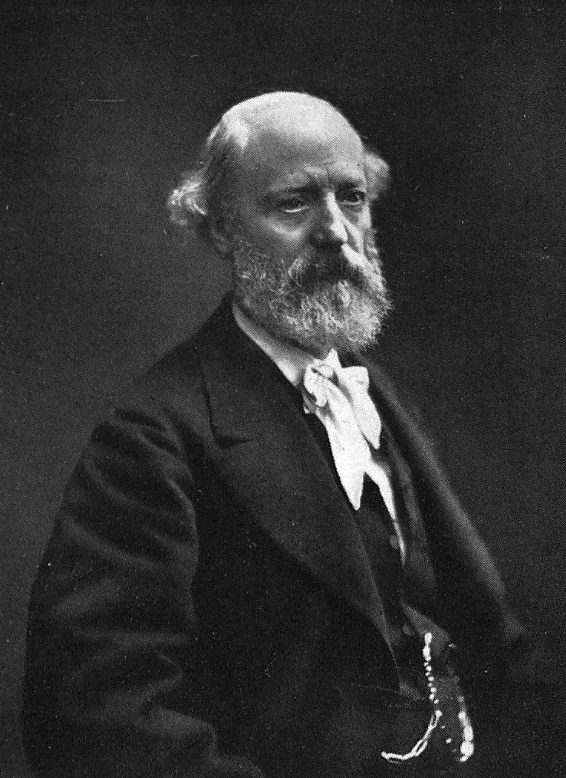
The man behind Carcassonne:
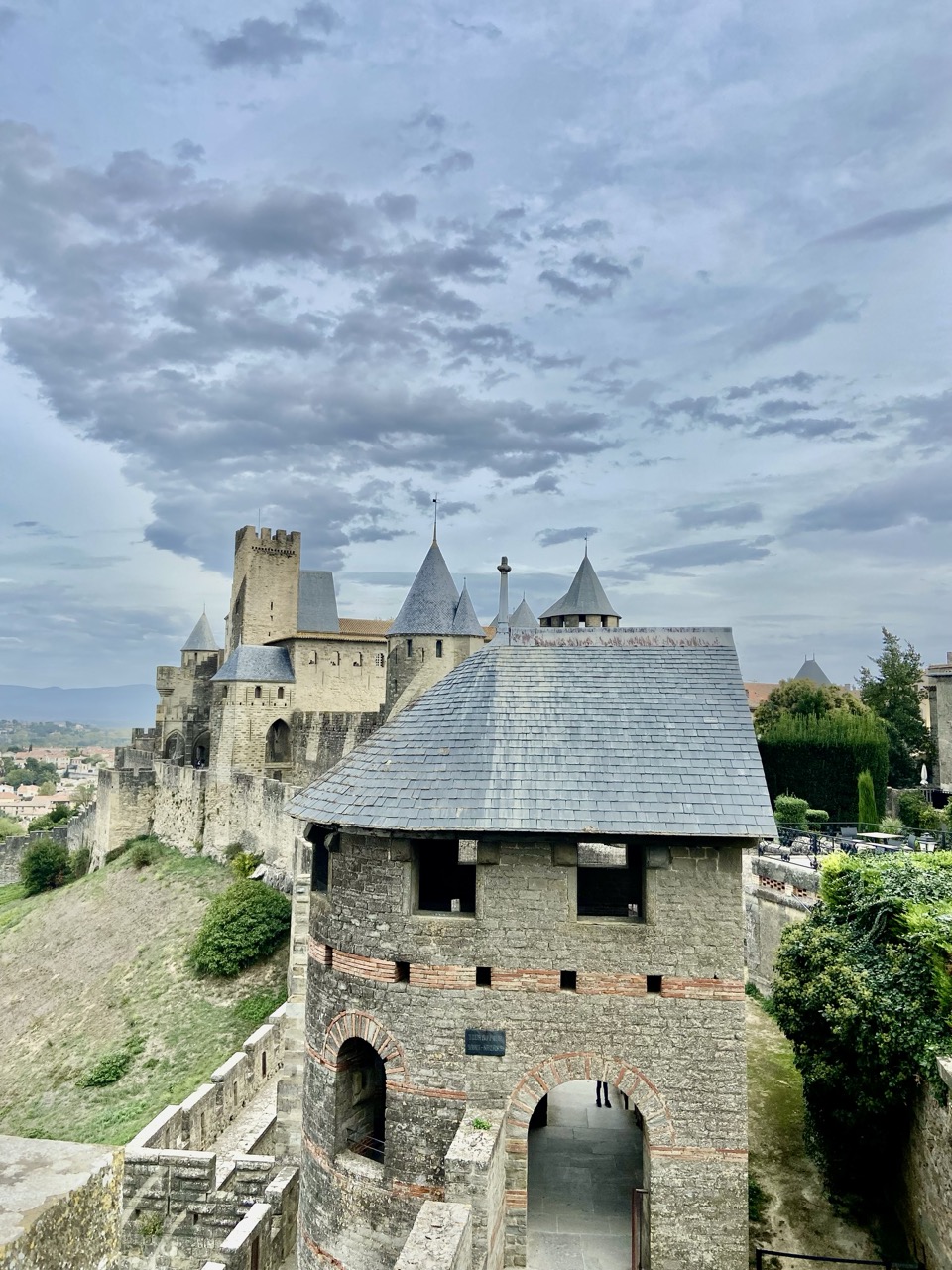
I first heard his name when I was drawing up my plan to visit Carcassonne. You won’t find many write-ups of the Cité without coming across his name. His restoration of the medieval fortified city was so radical that it sparked arguments among restorers, architects, and historians that, in different forms, continue to this day. And yet Carcassonne, with its restored walls and towers, is today a UNESCO World Heritage Site, and UNESCO itself recognises the exceptional importance of Viollet-le-Duc’s restoration work to the city’s significance.

And then I started seeing him everywhere:
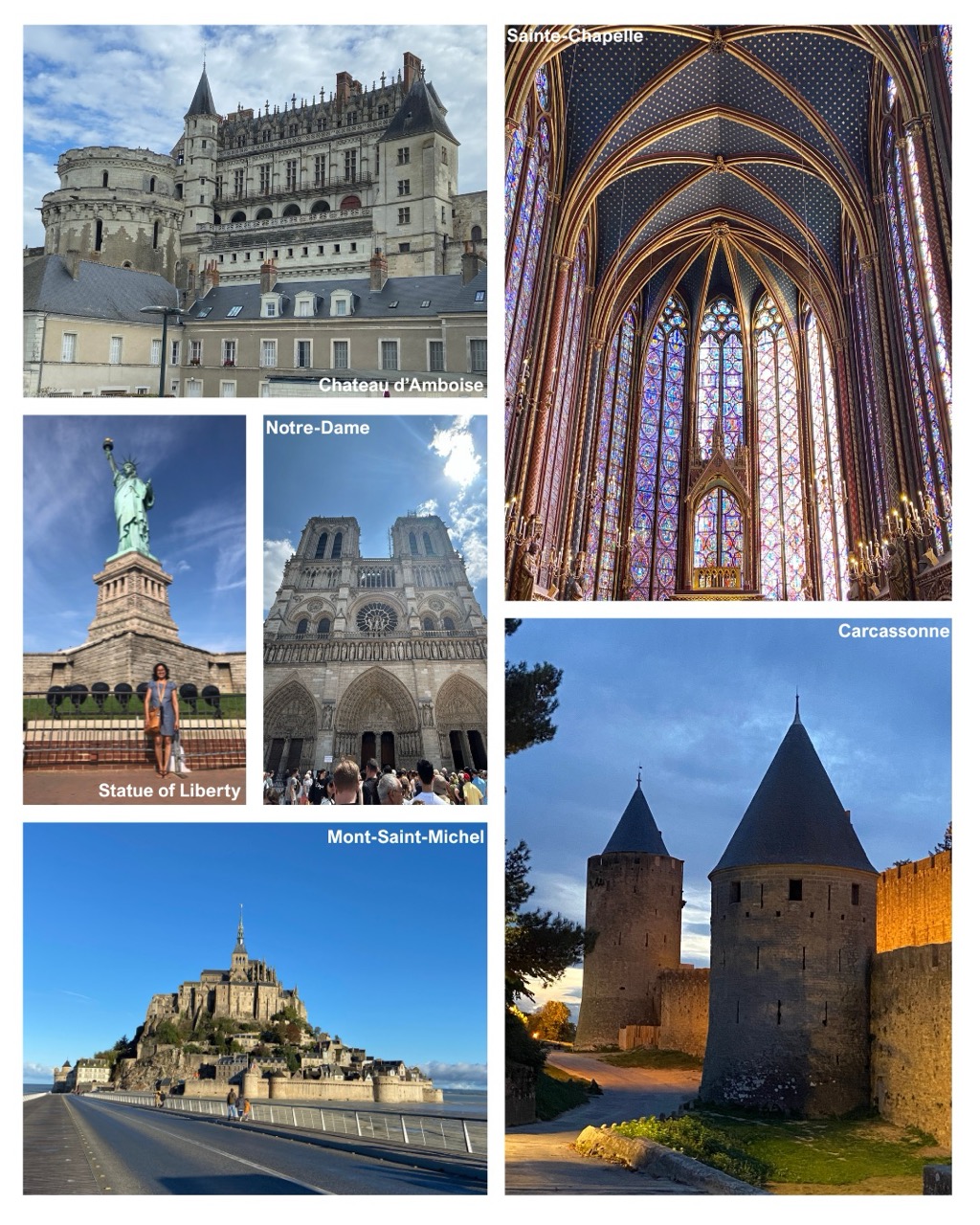
What began as curiosity about the man behind Carcassonne slowly grew into something else. I realised I had seen, or stood before, so many monuments connected to Viollet-le-Duc in one way or another. Notre-Dame. Sainte-Chapelle. Mont-Saint-Michel. Carcassonne. Amboise. And then there are the drawings, the statue in the open square in front of Notre-Dame, and even the Statue of Liberty in New York!
And that is really why I am writing about him.
A young architect who refused the usual path:
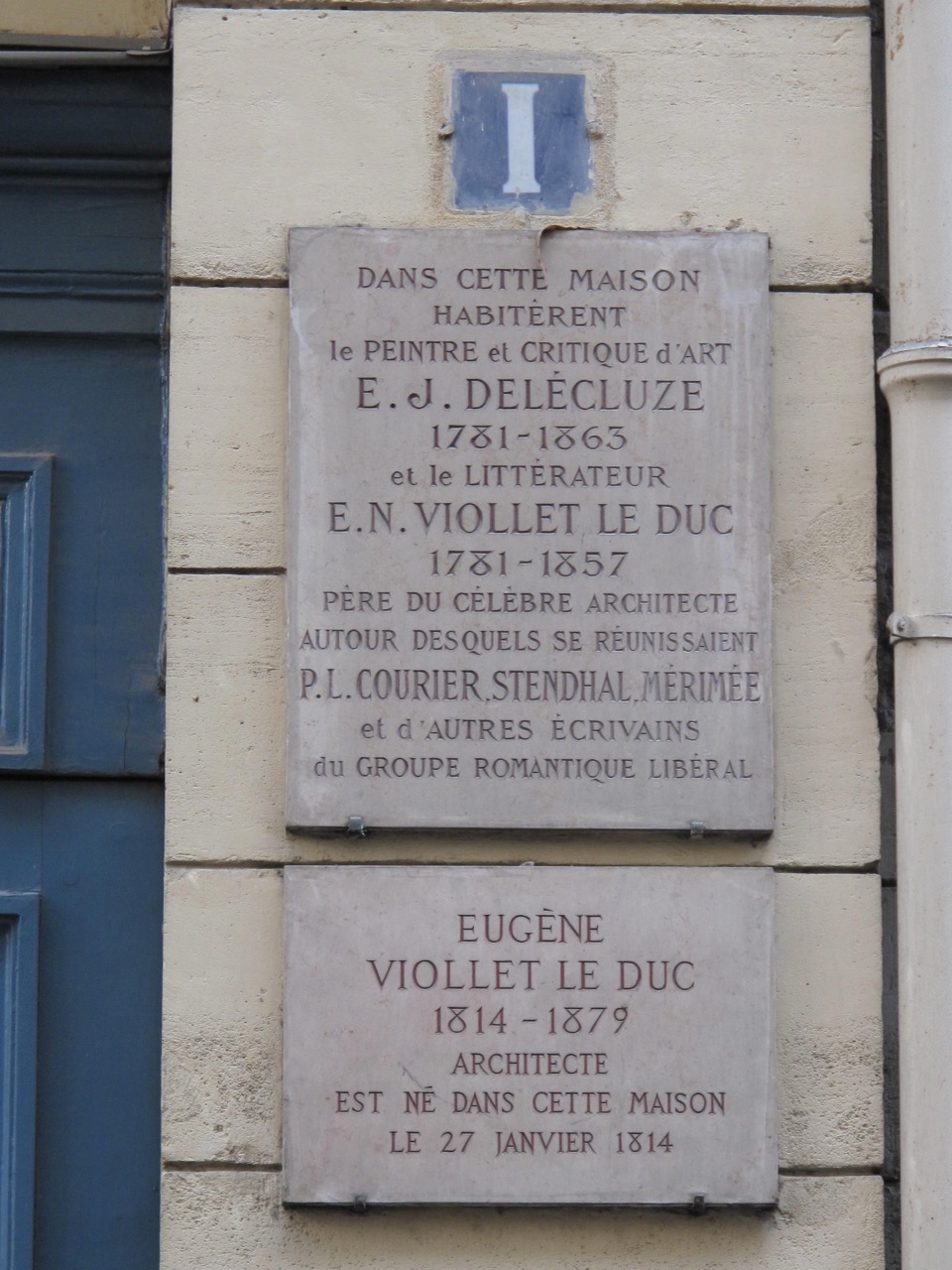
Born in Paris, Eugène grew up in a remarkably intellectual and artistic environment. His maternal grandfather, Jean-Baptiste Delécluze, was an architect. His father, Emmanuel-Louis-Nicolas Viollet-le-Duc (1781–1857), had a strong interest in literature and history and was conservator of the royal residences under Louis-Philippe I. His mother, Élisabeth Eugénie Delécluze, hosted a salon – those wonderfully French gatherings where men and women came together at home to discuss art, literature, ideas and society. His maternal uncle, Étienne-Jean Delécluze, was a painter and an influential art critic.
No wonder the young Eugène was not particularly interested in following the conventional academic route. He did not attend the prestigious and much sought-after École des Beaux-Arts. Instead, as a young man, he travelled around France, sketching and studying its monuments, and later made the journey to Italy that would prove so important to his development. Louis-Philippe the first paid him for a large watercolour, “Le Banquet des Dames aux Tuileries”, and the money helped finance his long Italian journey.
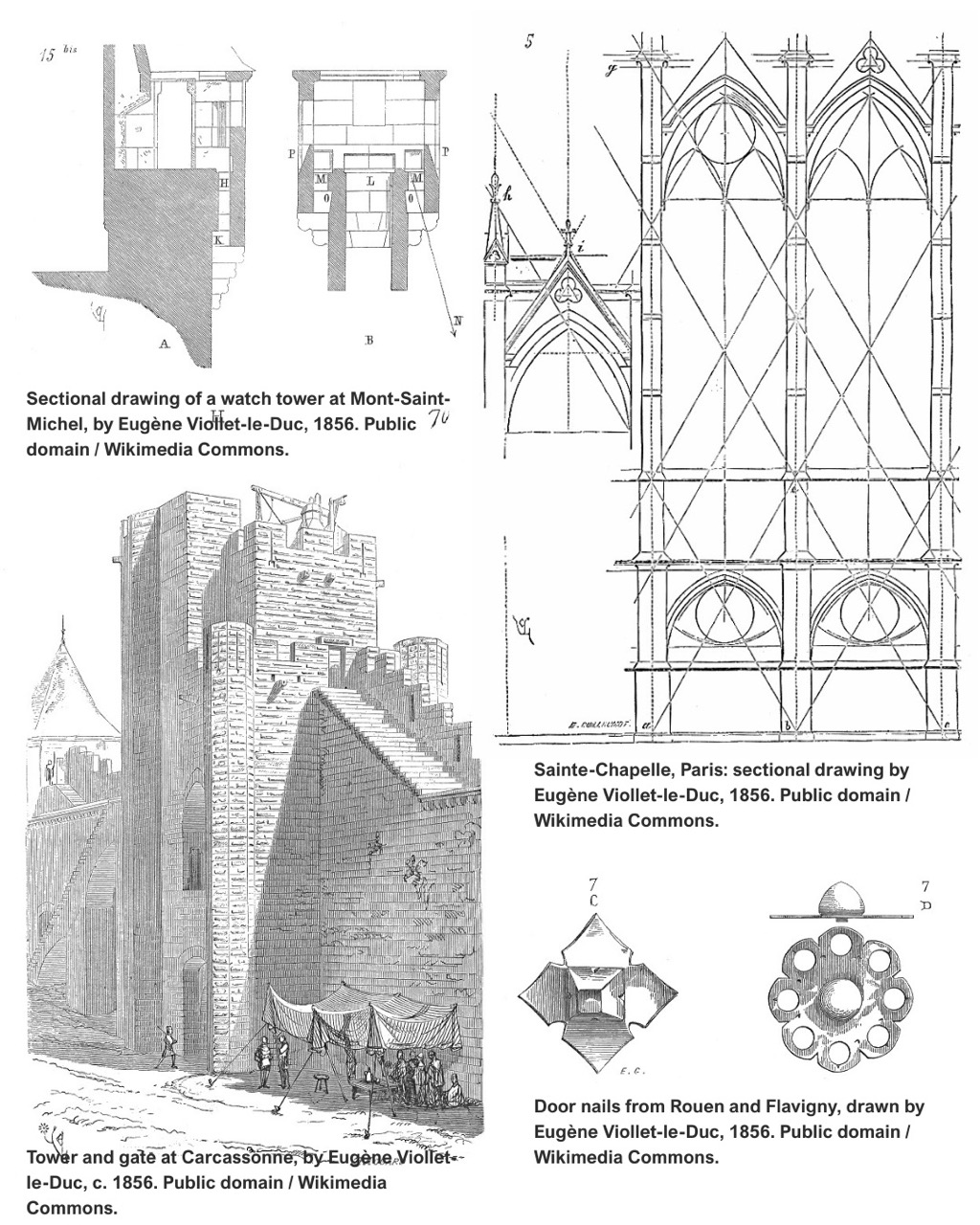
He drew constantly. Architecture, details, ornaments, buildings, landscapes – he recorded what he saw with a level of detail that makes his drawings fascinating even today. He had worked with the architect Achille Leclère and, after his travels, began taking on architectural and restoration work. By the time he was in his twenties, his career was gathering extraordinary momentum. He restored. He reconstructed. He designed. He studied. He wrote. He advised. He drew. He theorised.
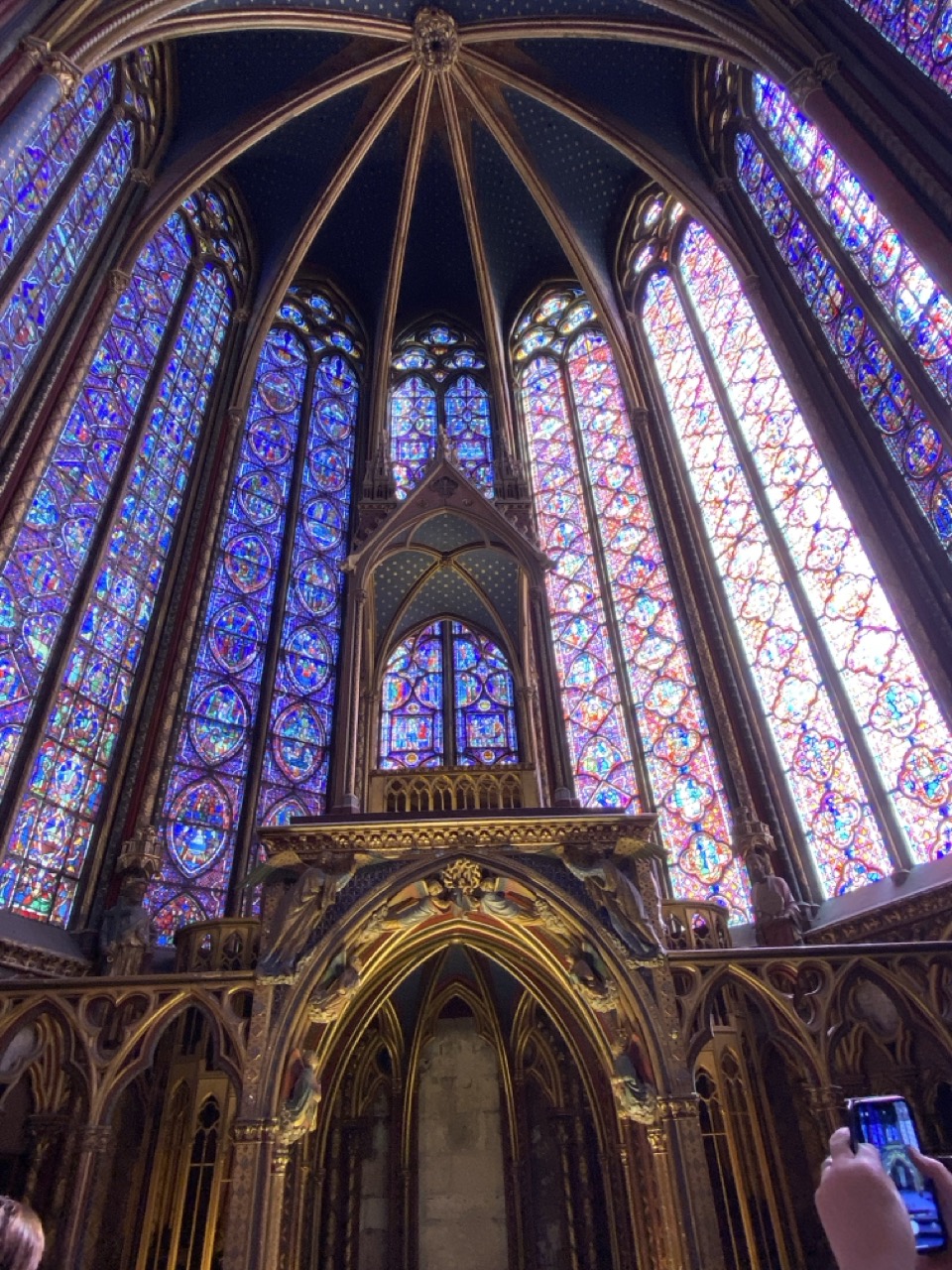
The Sainte-Chapelle in Paris was one of the early places where Viollet-le-Duc became involved in the restoration of medieval architecture.
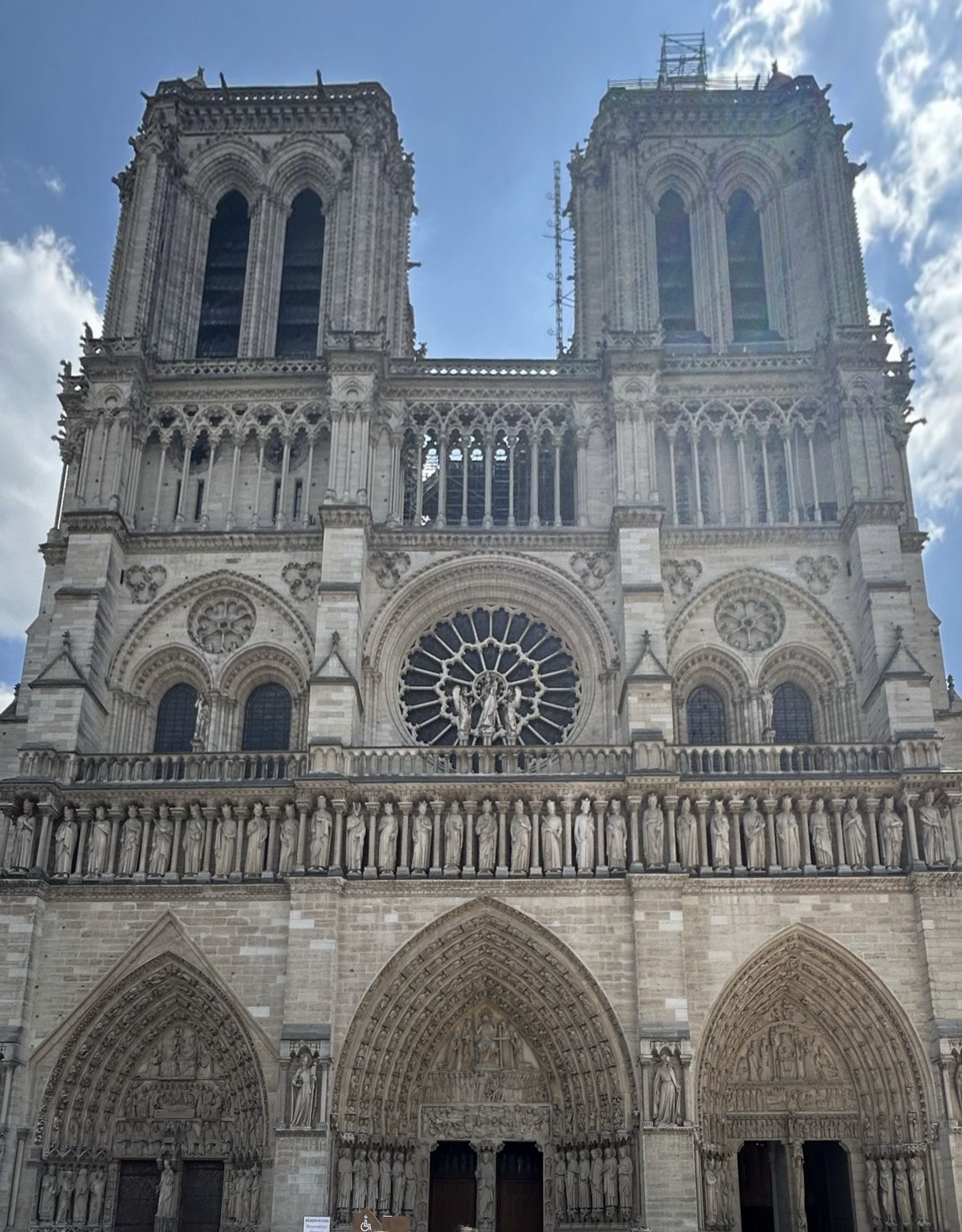
Then there is Notre-Dame de Paris. The spire that became such an instantly recognisable part of the Paris skyline was not medieval. It was Viollet-le-Duc’s 19th-century creation, lost in the 2019 fire and recreated as part of the cathedral’s restoration.
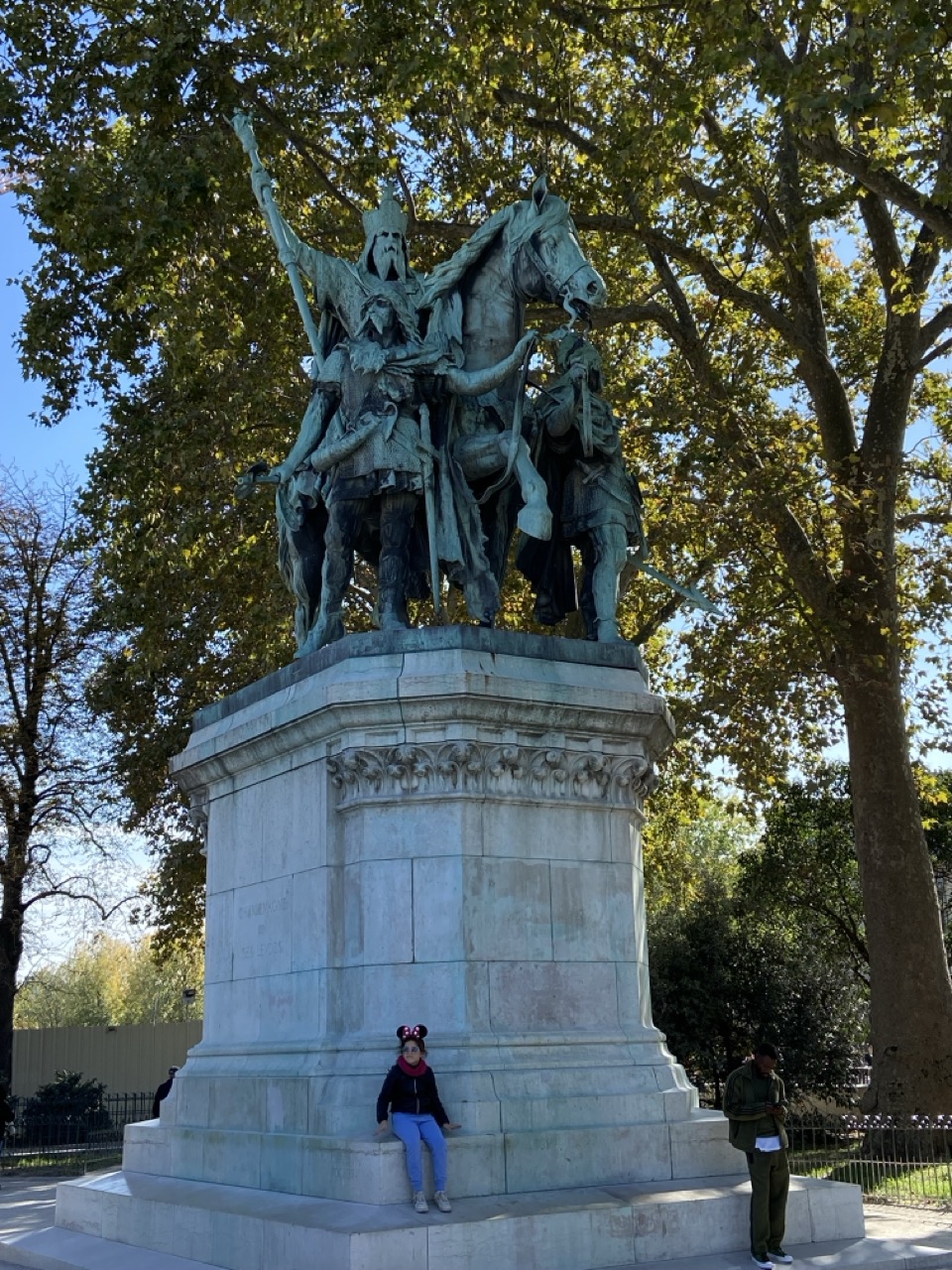
There is another Viollet-le-Duc connection sitting almost casually in front of Notre-Dame. The statue of Charlemagne and his Guards. Viollet-le-Duc supported its installation in the open square in front of Notre-Dame and designed its original temporary wooden pedestal.
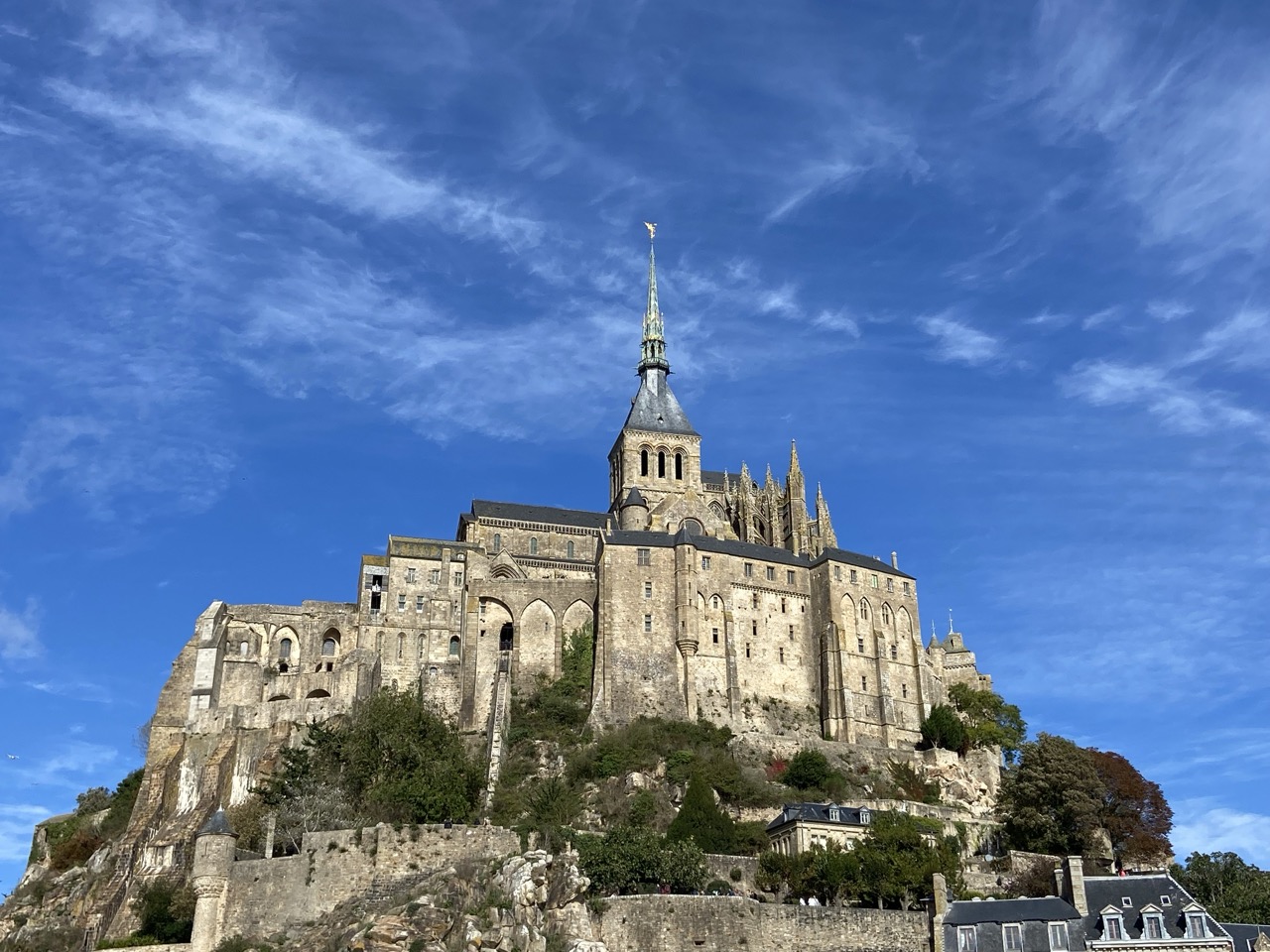
He visited Mont-Saint-Michel in 1835 and made drawings and architectural studies of it. But the major restoration that followed from the 1870s was undertaken by his pupils.
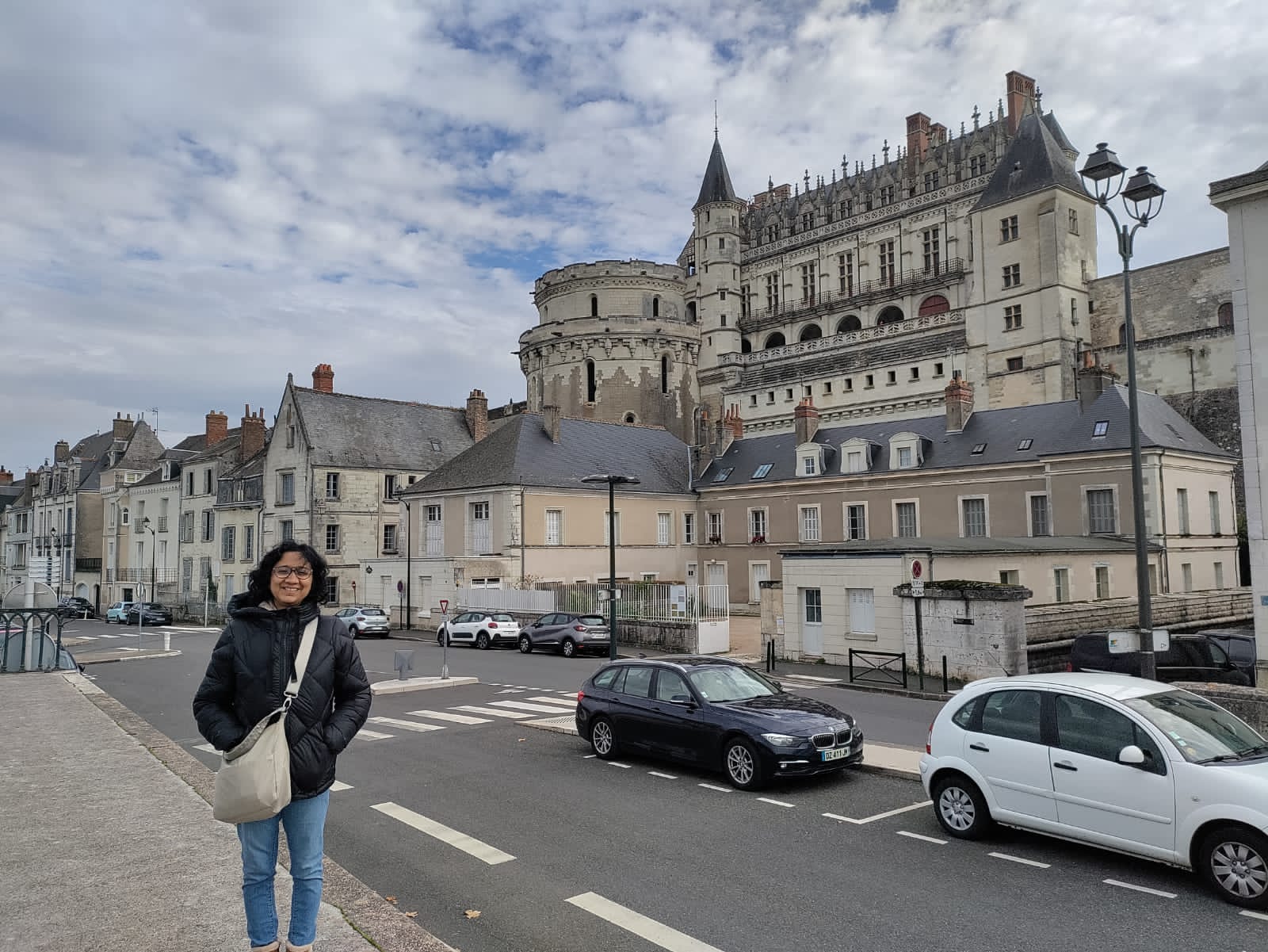
At the Château d’Amboise, the connection goes back to 1843, when Viollet-le-Duc was involved with the restoration of the stained glass of the Saint-Hubert Chapel, the Gothic chapel associated with Leonardo da Vinci’s tomb. He also produced designs for the chapel’s windows, which were destroyed during the Second World War. After the château returned to the Orléans family in the 1870s, Viollet-le-Duc was involved in plans to reconstruct and adapt it as a residence.
Restoration or reinvention?
Carcassonne is where the controversy really begins (and, most literally, peaks by the time the Château de Pierrefonds comes up for restoration in 1857).
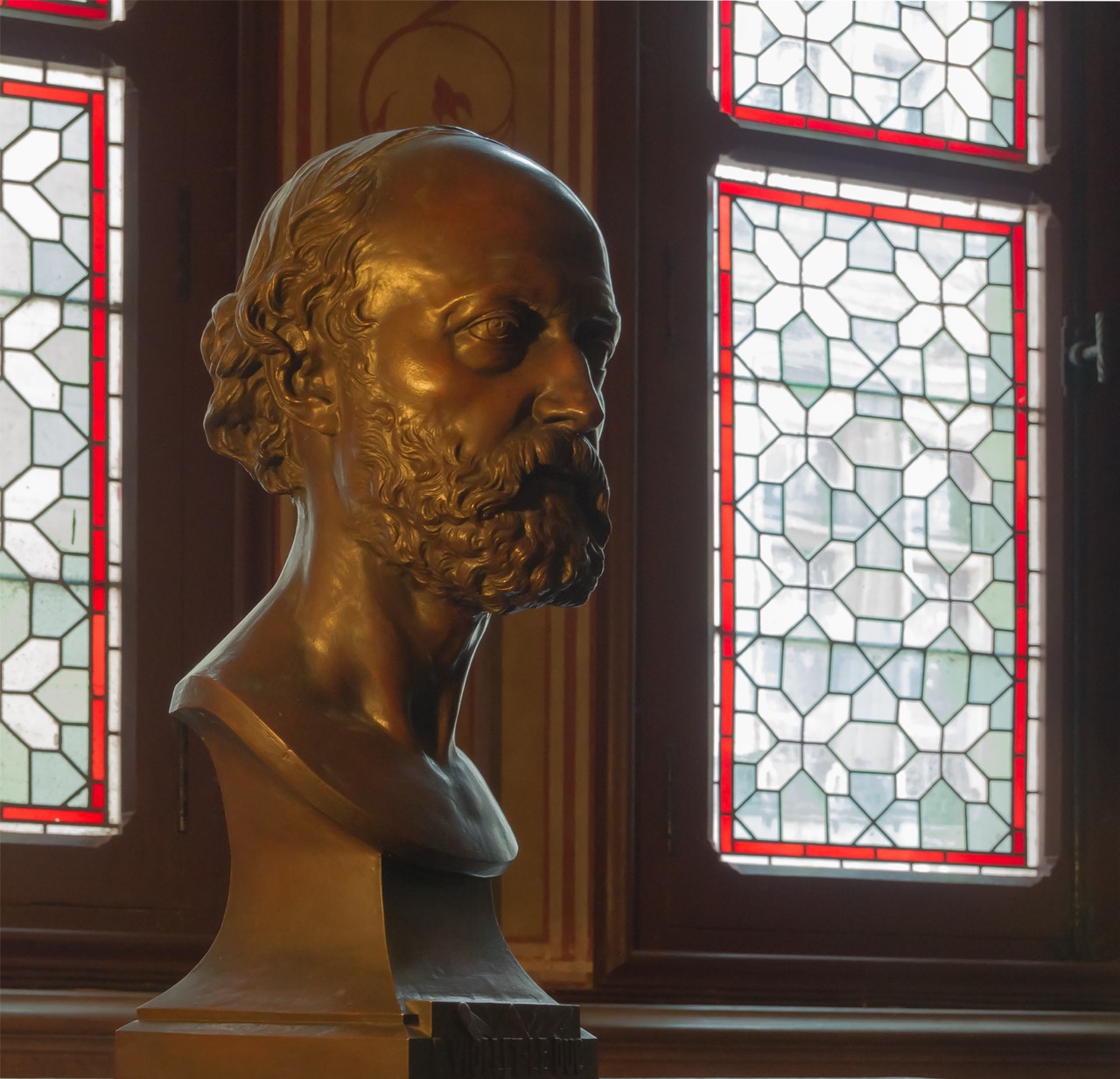
Because Carcassonne isn’t simply a medieval city that was repaired. Viollet-le-Duc’s restoration campaign, carried out from 1853 to 1879, became one of the great experiments in the history of conservation. He restored it to what he believed was how it should have looked and functioned in the first place.
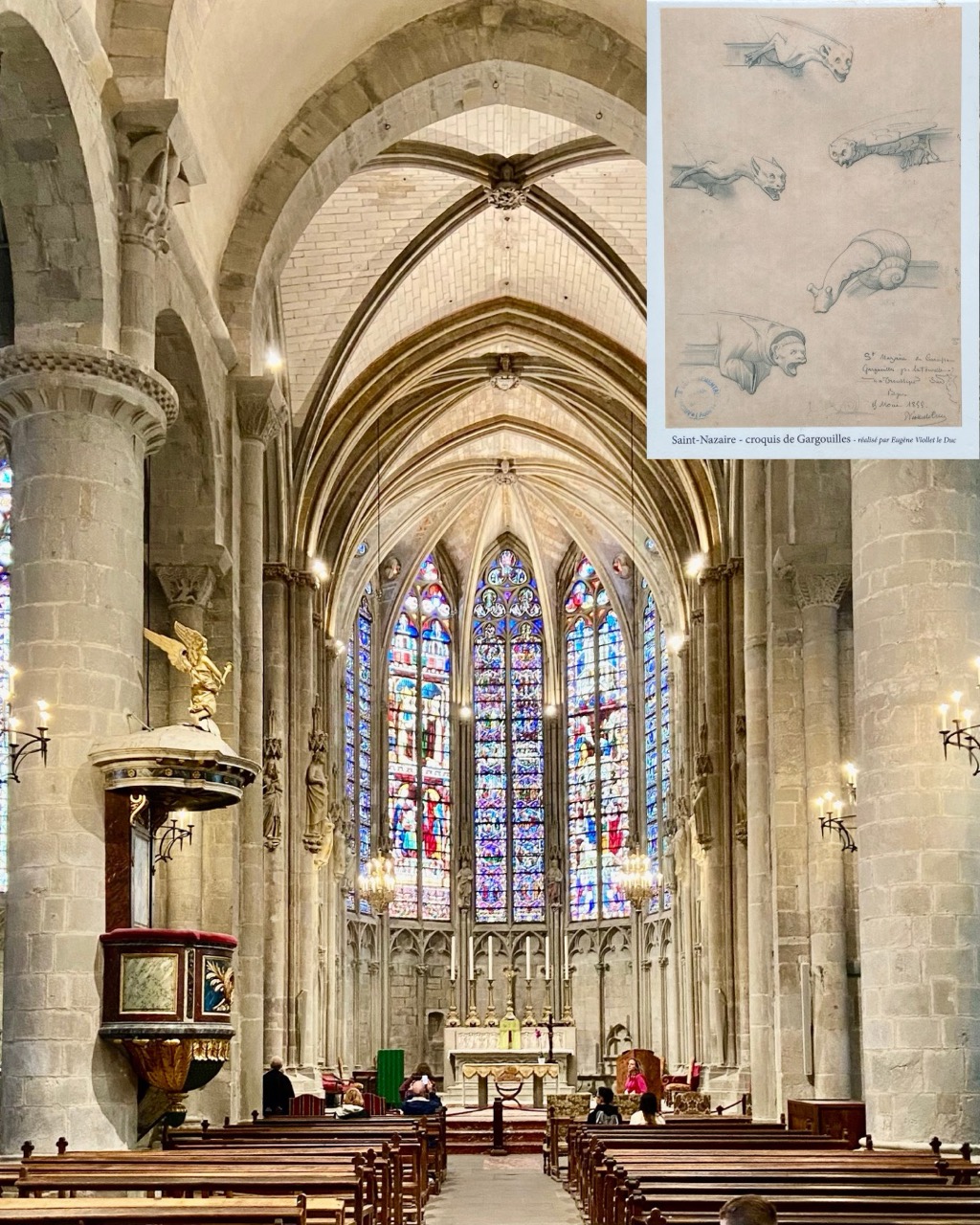
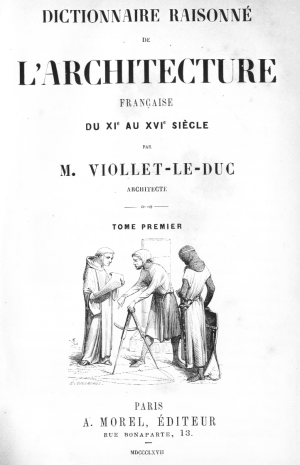
He famously wrote in his Dictionnaire raisonné de l’architecture française du XIe au XVIe siècle (a bible for all things architecture): “To restore a building is not to maintain it, repair it or remake it: it is to re-establish it in a complete state which may never have existed at any given moment.”
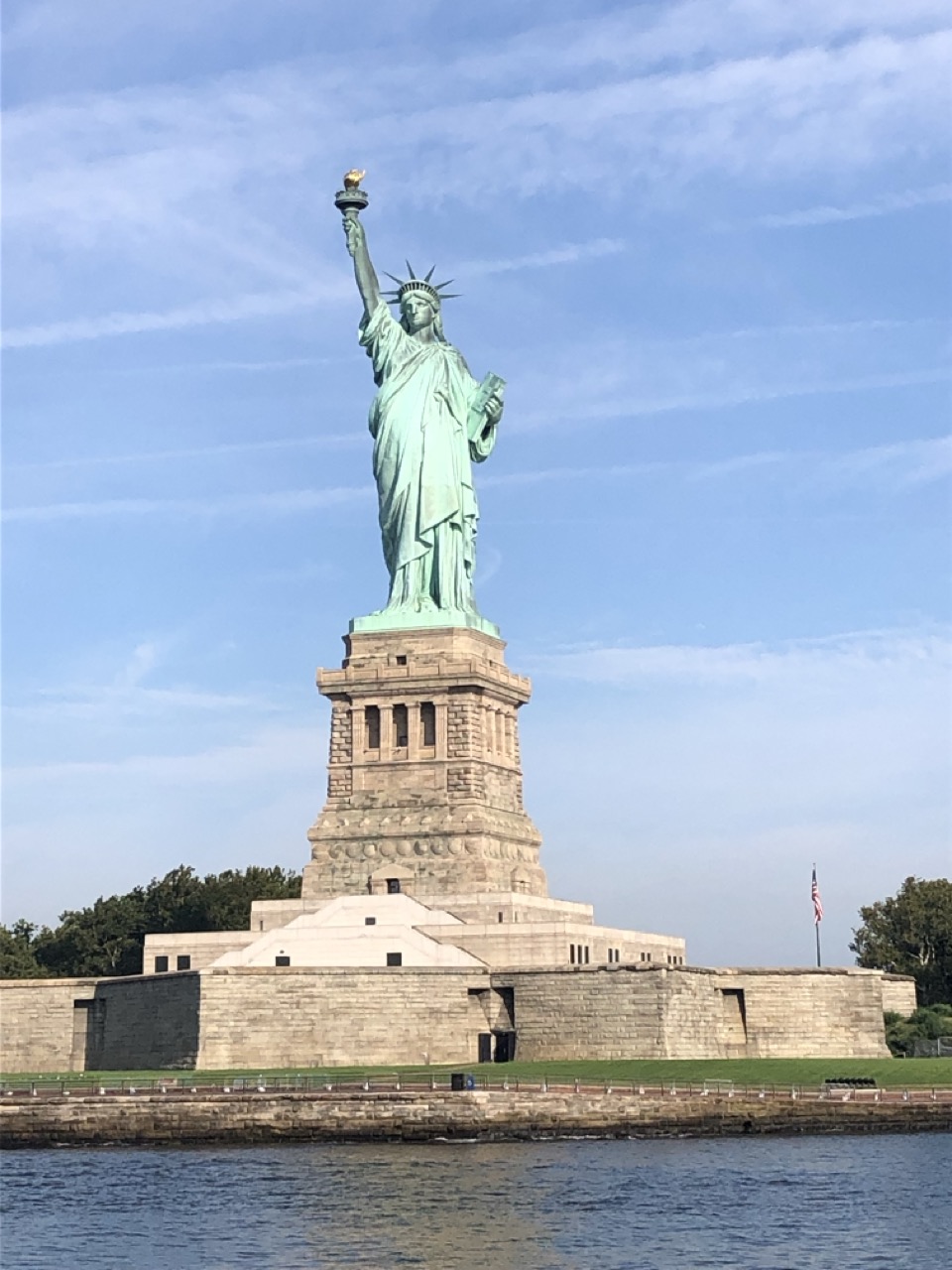
His reach even extended somewhere I would never have expected to find him. The Statue of Liberty. Working with Bartholdi, Viollet-le-Duc contributed to the structural concept and advocated the use of copper sheets shaped by the repoussé technique.
And then there was Knossos:
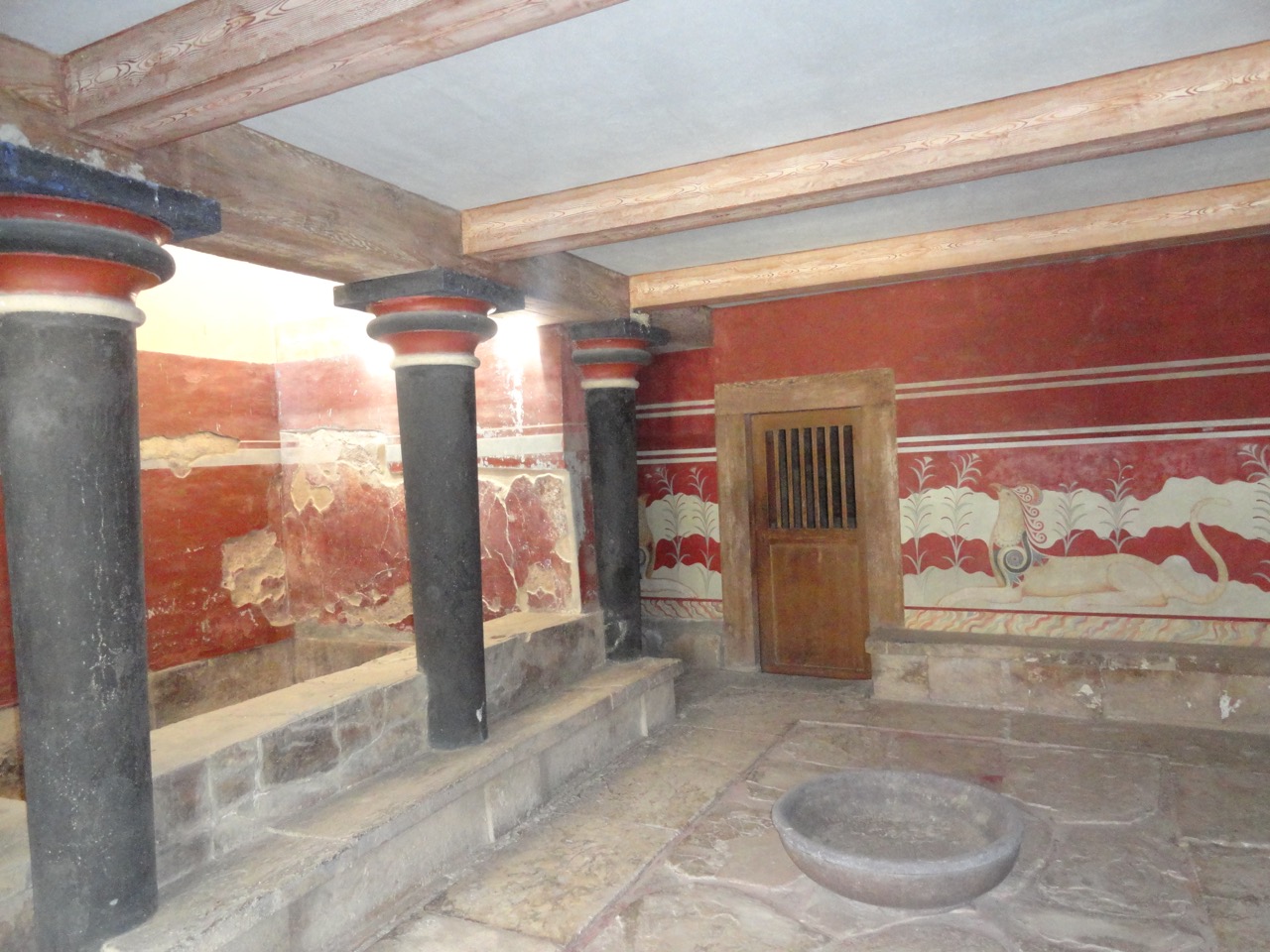
The only other person who comes close to Viollet-le-Duc when it comes to controversy is Arthur Evans (8 July 1851–11 July 1941), the British archaeologist who excavated and reconstructed parts of Knossos on the island of Crete in Greece, (which I also visited), making many people in the field very uncomfortable.
I have stood at Carcassonne and looked at the walls he brought back to life. I have stood before Notre-Dame. I have visited Sainte-Chapelle, Mont-Saint-Michel, Amboise and the Statue of Liberty, each connected to him differently.

There are architects whose names are associated with one great building, or perhaps a particular style. Viollet-le-Duc seems to have left his fingerprints across an extraordinary range of places, not always in the same capacity, and not always as the person physically carrying out the work. Viollet-le-Duc didn’t just restore medieval buildings. He left us monuments to look at, but also questions to argue about.

